In short:
- Noise at night turns the living room into a small, echoey space and makes video calls impossible to understand; urgent measures are needed to reduce the noise and protect the family’s sleep.
- Technical approach: Measure the volume and RT60, apply αw to calculate the required absorption area, and select materials.
- Strategic placement prioritizes key listening areas, combining panels, acoustic foam, and bass traps to effectively cover both low and high frequencies without compromising aesthetics.
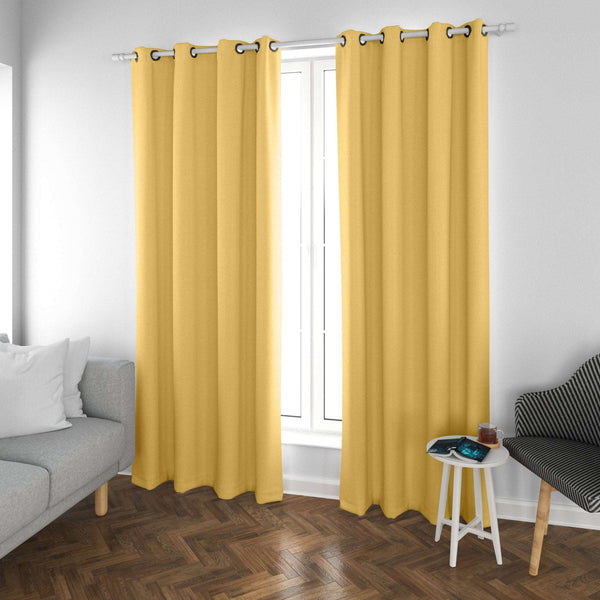
In the evening, a neighbor bangs on the door and wakes up the whole house. This echo effect turns the living room into a small, reverberant space. Tensions rise when the video conference becomes impossible to follow. You might think that simply laying down some carpet will be enough to improve the acoustics. To effectively improvesound absorption, some solutions involve, for example, soundproofing an apartment with soundproof curtains, which can dampen reverberations and limit the spread of noise. A simplified technical guide helps you choose the right sound absorber for each frequency.
A Practical Guide to Choosing the Right Sound-Absorbing Material for Every Room in Your Home
This plan outlines the technical principles and effective materials for each space. The general recommendations combine definitions, technical guidelines, and real-world examples.
The guide sets out clear objectives: reducing reverberation and controlling early reflections. A simple point of reference is the distinction between absorption and insulation, and the use of acoustic curtains on certain facades. You will learn how to measure and calculate the absorption area required for a typical room. This approach is based on a material’s ability to capturesound energy and reduce reflections withina room’s acoustics. We also provide practical guidelines for the placement and density of panels, prioritizing absorbent materials suited to the room’s layout.
Acoustic comfort makes all the difference.

The role of the NRC absorption coefficient αw and guidelines for interpreting measured values
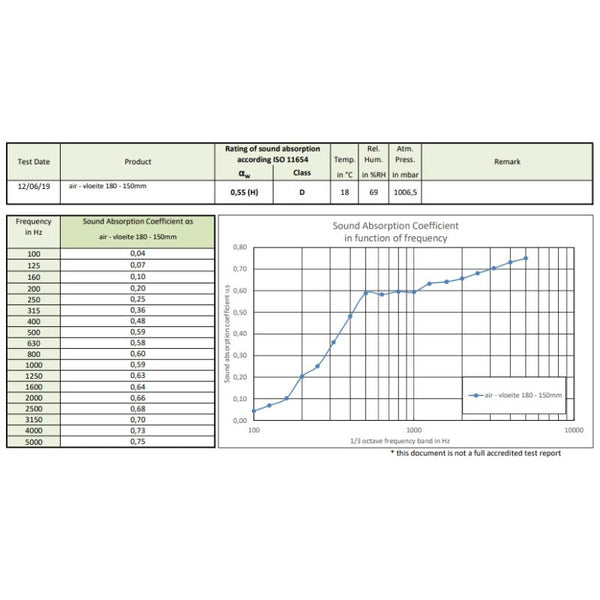
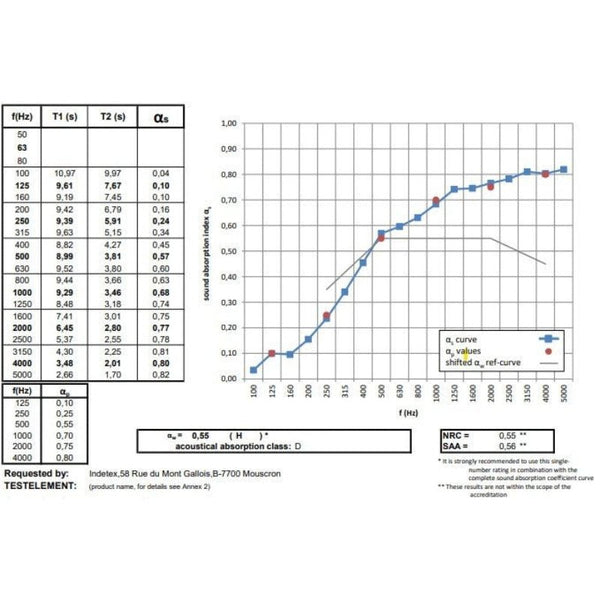
The αw coefficient and the NRC evaluate soundabsorption across different frequency bands. The sound absorption coefficient αw is a standardized index used to measure the performance of an acoustic product. An αw value summarizes a material’s absorption curve. You then calculate the equivalent area by multiplying αw by the material’s surface area: this absorption calculation provides an estimate of the overall effectiveness of the treatment. Here is a numerical example for a home studio to illustrate this.
The simplified calculation starts with the volume and a target RT60. The target reverberation time is 0.4 seconds. You then apply αw coefficients to convert A into the square meters of panels required. In practice, for a 20 m³ amateur studio with an RT60 of 0.4 seconds, approximately 8 m² of effective absorption is needed.
Calculations make choices clear.
A comparison of foam, wool, panel, sheer, and curtain materials by frequency band
This comparison helps you choose based on the target frequency range. Not all sound-absorbing materials perform the same across the entire sound spectrum. Acoustic foam effectively absorbs high frequencies, particularly in lightweight acoustic panels used for interior treatment. For low frequencies, prioritize rock wool or hemp wool, as these porous materials offer better performance at lower frequencies. Raw wood can also serve as a complementary diffusion surface. Combined materials are often chosen to achieve broad frequency coverage.
| Material | approximate αw | Effective bands | Main advantage | Main limitation |
|---|---|---|---|---|
| Melamine foam | 0.40 to 0.80 | Midrange and high frequencies: 500 to 4,000 Hz | Easy and cost-effective installation | Poor bass response without significant depth |
| Rock wool or glass wool | 0.60 to 0.95 | Wide frequency range: 250 to 4000 Hz | High-performance and cost-effective | Requires covering and protection |
| Recycled fiber panel | 0.50 to 0.90 | 500 to 4,000 Hz, depending on density | Stylish and eco-friendly | Varies depending on density and thickness |
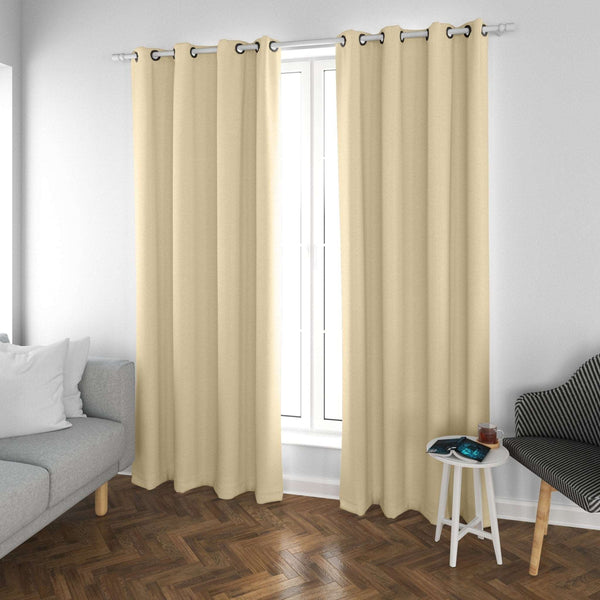
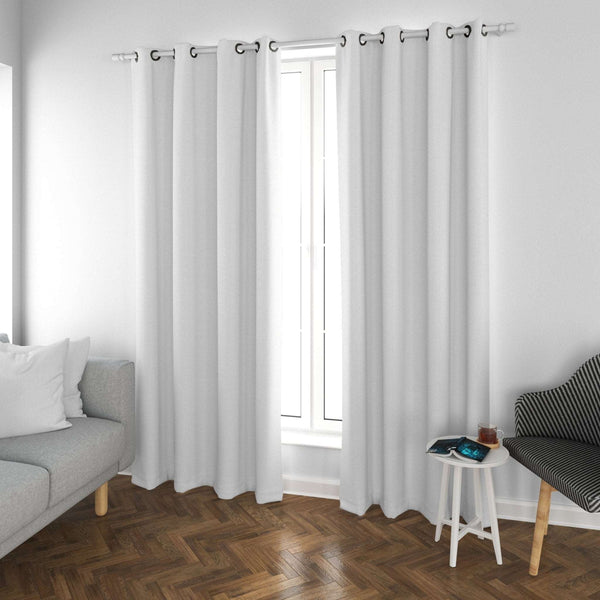
| noise-reducing curtain | 0.30 to 0.75 | 400 to 2,000 Hz | Dual acoustic and thermal function | Performance depends on installation and coverage |
| Acoustic veiling | 0.15 to 0.40 | High frequencies: 1,000 to 4,000 Hz | Allows light to enter while providing subtle dimming | Not very effective at low frequencies |
The acoustic panel reduces reverberation.
The guidelines recommend combining materials to cover both low and high frequencies. Priority should be given to placing materials in primary reflection zones for maximum impact. You will also notice that increasing the thickness enhances absorption at lower frequencies. It is important to note that the ceiling and the opposite wall require special attention.
The following summary outlines immediate actions.
- Placement based on initial judgment prioritizes impact.
- A minimum thickness of 50 mm for the middle layers.
- You install bass trap panels to reduce low frequencies.
- Acoustic sheers are used to let light in.
- Thick curtains provide insulation and sound absorption.
The Nokomis service Nokomis choose sheer curtains and acoustic accessories that are right for your project
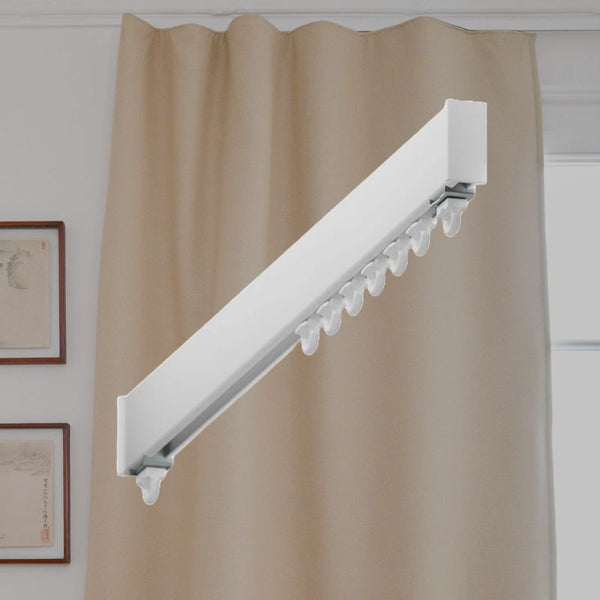
The service offers personalized guidance in selecting soundproof curtains, sheers, and accessories. The assessment is based on simple measurements such as the room’s volume, the desired RT60, and reflective surfaces. This approach makes it possible to determine an appropriate acoustic treatment and optimize the noise reduction acoustic performance of the space. You’ll receive a quick simulation, an online quote, and installation assistance, with the option to incorporate sound-absorbing panels to improvethe room’sacoustic environment.
The typical customer is between 30 and 50 years old and often works from home. An appreciation for design and sustainability leads them to choose French products and recycled materials. You expect clear service, a quick quote, and assistance with installation.
| Product | Acoustic performance | Recommended use | Competitive advantage |
|---|---|---|---|
| noise-reducing curtain 30 dB | Very high in the midrange | Noisy facades and bedrooms | Acoustic and thermal insulation |
| Acoustic curtains | Moderate to high | Lobbies, offices, reception areas | Style and Performance |
| Acoustic veiling | Low to moderate | Places requiring lighting and dimming | Luminous transparency |
| Accessories and rods | Impact on performance if adjusted | Installation Optimization | Compatibility Guaranteed |
Made in France is a guarantee of quality.
The service offers free estimates and priority consultation to help you optimize placement and quantity. Special attention is given to recycled materials and aesthetic finishes. You’ll receive technical support to ensure a clean and sustainable installation.
Making silence measurable changes the way a room is used. Your next measurement can be quick and easy. One simple question remains: What RT60 target are you aiming for? This consideration requires understanding the difference between sound absorption and sound insulation. The former acts within the room by limiting the reverberation of a sound wave, while the latter aims to prevent sound from passing through a wall. Depending on the need, both approaches contribute to noise reduction and the improvement ofthe acoustic environment.