In short:
- Urgent: A chilly evening highlights the need for insulation to ensure comfort and quiet, and improves sleep.
- Solution: Exterior insulation wraps around the wall, reduces thermal bridges, and preserves living space without compromising the building’s exterior appearance.
- Budget: Cost estimates, available financial assistance, detailed quotes, and RGE-certified contractors ensure a return on investment and guarantee the quality of the work.
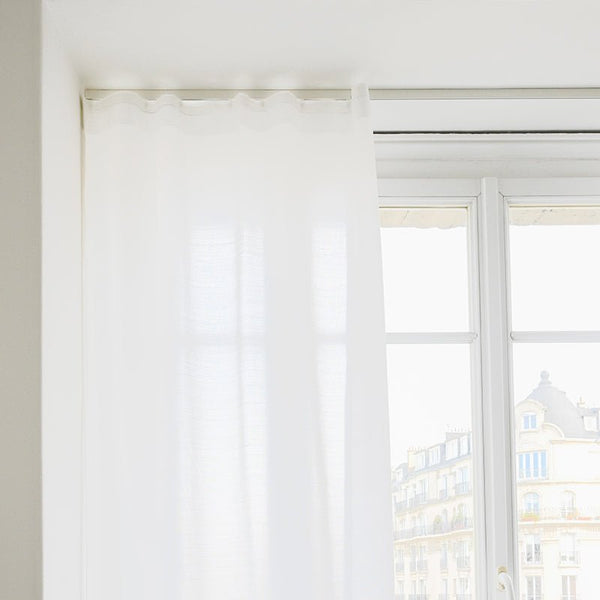
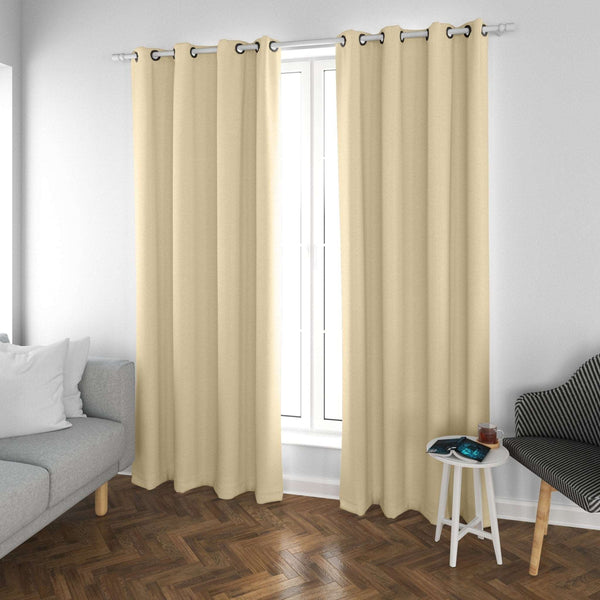
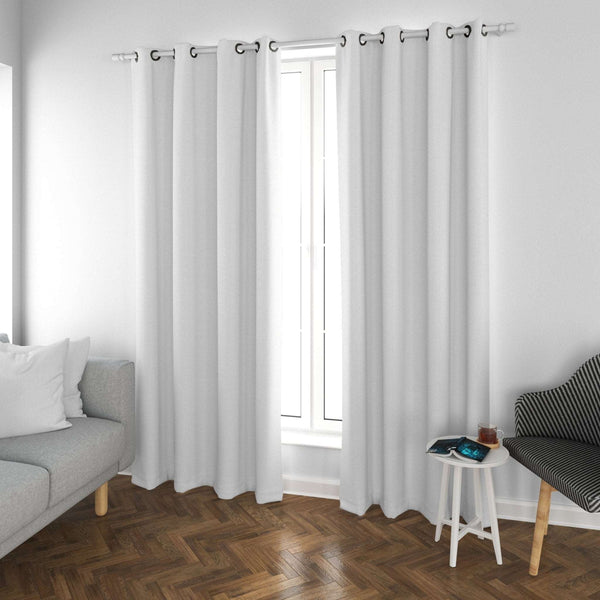
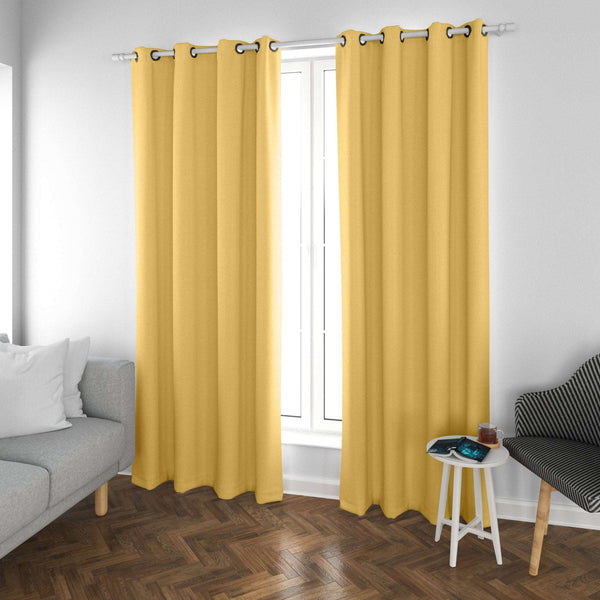
On a winter evening, the street rumbles in the rain. The living room is losing its warmth despite the heat. You can feel the cold wall behind the sofa. This moment highlights the urgent need forthermal insulation. We’re looking for a solution that combines comfort and quiet—for example, by opting for a thermal curtain custom-made or a soundproof curtain soundproof and thermal capable of limiting heat loss while dampening outside noise.
Choosing between interior and exterior insulation for your home.
The type of wall and the condition of the building will guide your choice. Exterior wall insulation changes the building’s exterior appearance, while interior wall insulation alters the interior of the room. To determine the best thermal insulation, it’s helpful to follow a few simple tips and compare the available materials. Among the common solutions, rock wool is often used for its performance and versatility in both renovation and new construction.
A detailed description of the aesthetic, thermal, and structural benefits of exterior insulation.
The exterior insulation system wraps around the wall and protects the structure. You significantly reduce thermal bridges and heat loss, which helps lower heating costs and leads to real energy savings. An exterior renovation preserves the living space and refreshes the facade. It also helps improvethe building’sairtightness and can enhance the sound insulation of the walls. This can be supplemented with a soundproof curtain and thermal treatment for specific areas. The wall gains a protective layer.
A clear overview of the technical, logistical, and financial drawbacks of interior insulation.
There is a loss of interior space depending on the thickness of the lining. Moisture can sometimes be managed with proper ventilation. Installation errors that create cold surfaces are avoided. This concept incorporates thermal phase shifting. In a comprehensive renovation, these choices are often accompanied by attic insulation to improve the energy efficiency of the entire home. The quality of installation remains crucial to ensuring the insulation’s actual effectiveness and the durability of the materials.

A comparison of thermal, acoustic, and hygrothermal performance based on the selected method.
Measurable criteria guide the decision. An energy performance assessment helps set priorities. In the context of energy-efficiency renovations, these assessments can also determine eligibility for certain grants or assistance programs. Depending on the situation, there may be a tax credit, a specific incentive, or another form of support available.Eligibility generally depends on the nature of the work, the targeted performance levels, and the type of housing. To supplement financing, some households may also take out a zero-interest eco-loan, which allows them to spread the cost of the work over several years.
A numerical breakdown of the expected thermal resistance and average energy savings by method.
The R-value indicates the expected thermal resistance of the wall. External wall insulation (EWI) often achieves a higher R-value for older walls. You can expect energy savings of between 10% and 30%, depending on the situation. These improvements directly contribute to the building’senergy efficiency and can influence its energy rating during an energy audit. The R-value expresses a material’s thermal resistance and serves as a key benchmark in industry regulations. It is particularly relevant to thermal regulations and standards applied to new construction and renovations.
A comparison of insulation materials based on performance, cost, and environmental impact.
The choice of material affects conductivity and thermal and moisture performance. A thorough evaluation balances cost and environmental impact.
Recommendations on the best materials based on the household's budget and environmental priorities.
Bio-based materials promote indoor health and a comfortable indoor climate. Mineral wool remains a competitive option in terms of fire resistance. You choose the insulation based on your budget and environmental priorities. The choice depends on your priorities. In a renovation project, it’s also important to improvethe building’sairtightness, as this determines the actual effectiveness of the insulation. Certain materials can also contribute to better sound insulation, which enhances the home’s overall comfort.
The budget and financial assistance needed to undertake cost-effective insulation projects.
The price per square meter varies depending on the method and the insulation material. A quote includes wall preparation and moisture treatment. Depending on the project, materials such as rock wool—known for its controlled thermal conductivity and fire resistance—or eco-friendly materials may be used, depending on environmental priorities. You may be eligible for MaPrimeRénov and Energy Efficiency Certificates (CEE) subject to certain conditions. We verify the presence of an RGE-certified professional for the grant.
| Criterion | Exterior insulation (EI) | Interior insulation (ITI) |
|---|---|---|
| Thermal performance and thermal bridges | Highly effective, reduces thermal bridges | Less effective on thermal bridges |
| Impact on living space | No internal loss | A loss of a few centimeters to meters |
| Project complexity and cost | More expensive and time-consuming | Less expensive, can be done in stages |
| Compatibility with sound insulation | Compatible and overall better | Possible, but sometimes limited |
The step-by-step process and criteria for doing it yourself or hiring a qualified professional.
The project begins with an energy audit and a property inspection. Proper ventilation must be ensured both before and after installation. This step allows us to assess the home’s energy performance and identify areas responsible for excessive energy consumption.
The assessment specifies moisture levels, cracks, wall type, and solutions. Professionals can also calculate expected performance based on the R-value, which indicates the thermal resistance of the materials used. A simple checklist helps avoid unpleasant surprises on the job site. You should choose an RGE-certified contractor with a ten-year warranty and references. The estimate must provide a detailed breakdown of costs.
This checklist is helpful for the construction site.
- Moisture and structural inspection.
- An estimate of the cost per square meter.
- Check the warranties and deadlines.
- The access plan for the scaffolding.
- Proper ventilation and humidity and temperature controls.
Practical examples and case studies showing actual savings before and after insulation, backed by hard numbers.
The figure brings the project to life. A house from the 1970s illustrates a common scenario.
The standard case shows a 20% reduction in energy consumption. A 100-square-meter single-family home often achieves energy savings of 15 to 30%. The payback period typically ranges from 5 to 15 years. Hybrid solutions are often recommended when exterior wall insulation is not feasible.
The Nokomis service Nokomis improve the thermal and acoustic comfort of your home.
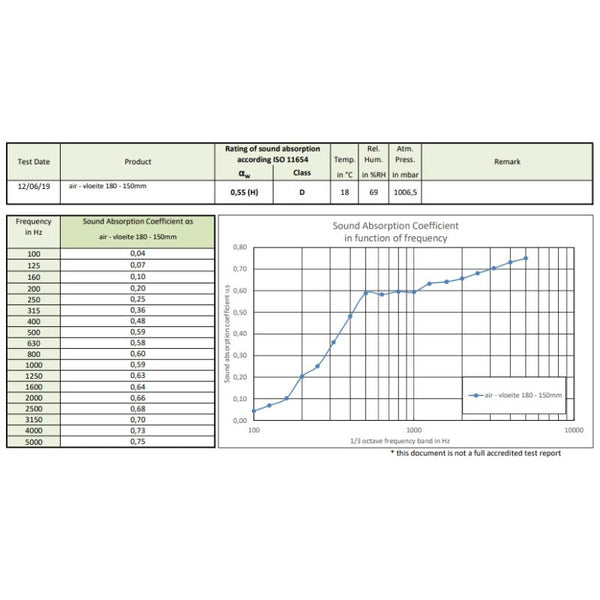
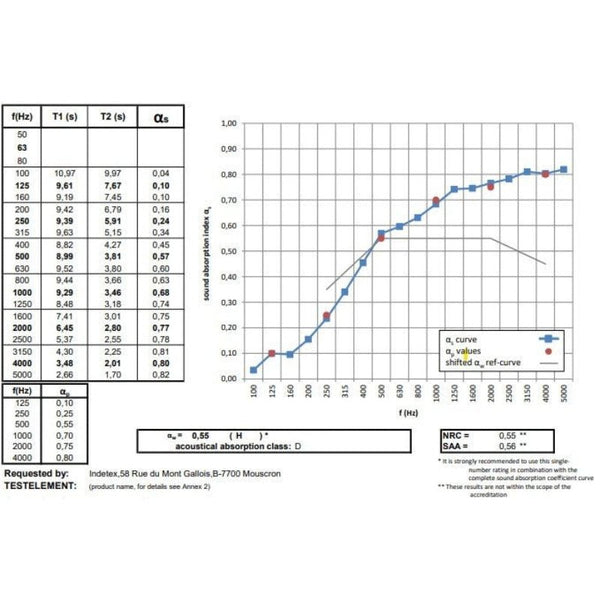
Acoustic comfort complements thermal comfort. A fabric solution is sometimes used to supplement wall insulation.
The typical customer wants peace and quiet and a comfortable indoor climate. They are usually between 30 and 50 years old and often work from home. They prefer eco-friendly products made in France for aesthetic reasons. They are looking for a quick improvement without major construction work. A quiet environment improves sleep and concentration.
The catalog features soundproof curtains and acoustic sheers. Easy installation provides immediate thermal insulation and soundproofing. Nokomis offers a quick assessment and a personalized quote. We often recommend these products as a complement to wall insulation.
| Insulation | Thermal conductivity λ (W/mK) | Asset | Estimated price (€/sq. ft.) |
|---|---|---|---|
| Cellulose wadding | ≈ 0,040 | Highly moisture- and temperature-regulating and eco-friendly | € to €€ |
| Glass wool | ≈ 0,035 | Good value for money | € |
| Expanded polystyrene | ≈ 0,032 | Thin yet high-performance | € |
| Wood wool | ≈ 0,038 | High-performance natural acoustic insulation | €€ |
The choice depends on the condition of the building and your budget. An informed decision balances thermal performance with acoustic comfort. You can request a free simulation or a quote to get started.