Finally living in peace
- Legal limits restrict daily noise levels: the law allows only a noise increase of 3 to 5 decibels.
- Quiet hours remain strictly enforced: noise levels must be kept to a minimum after 10 p.m. to ensure a good night's sleep.
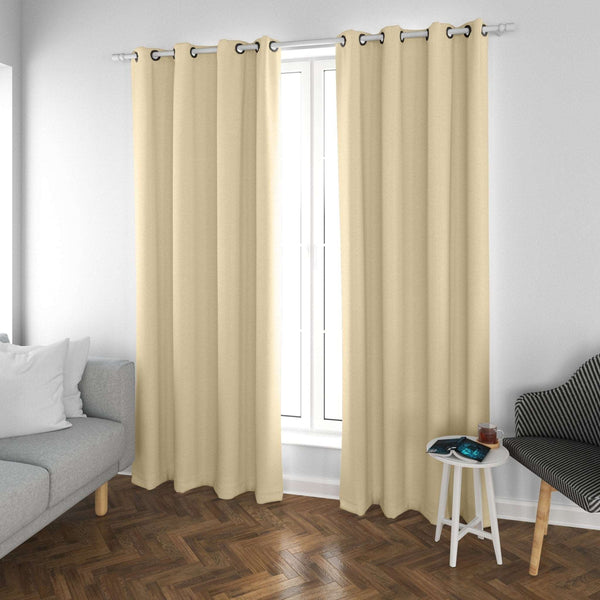
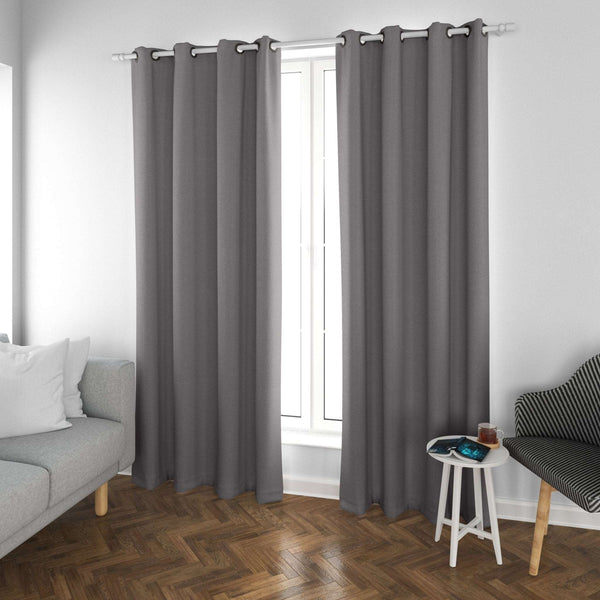
- Practical solutions like mediation or soundproof curtains: these tips can turn your home into a peaceful haven.
French law limits noise from your neighbors to an increase of 3 to 5 decibels, depending on the time of day. This figure may seem insignificant, but it marks the legal line between community living and noise harassment. You have the right to live in peace without having to endure the constant hum of a heat pump or the constant parties on the next landing. A controlled sound environment radically improves your mental health and the quality of your daily sleep. Make sure to maintain an acceptable decibel level!

National regulations on noise pollution in residential areas
The Public Health Code specifically protects your home from excessive noise pollution. It does not set a single maximum decibel level for the entire country but instead relies on a comparison of noise levels. Judges use this difference, known as “emergence,” to determine whether a noise exceeds the acceptable limits of everyday life. Your peace and quiet therefore depends directly on the usual quietness of your neighborhood before the noise disturbance began.
Mayors may also tighten these rules through specific municipal ordinances to restrict certain work hours. You should consult these documents at city hall to find out the restrictions specific to your municipality. Condominium bylaws often provide an additional layer of protection that you can invoke in the event of a dispute. The law remains your best ally in enforcing your right to peace and quiet against unscrupulous neighbors.
The tolerance limits applicable during daylight hours between 7:00 a.m. and 10:00 p.m.
During the day, you must tolerate a noise level that is no more than 5 decibels higher than the usual quiet level in your home. This rule applies to common sources of noise, such as DIY projects or the use of power tools for gardening. A poorly insulated building or a noisy work activity can quickly exceed this legal limit. To reduce these unpleasant sounds, installing a soundproof curtain remains an effective option before resorting to more burdensome legal proceedings.
| Total duration of noise | Permitted exceedance (dB) | Impact on health |
|---|---|---|
| Less than 1 minute | 6 decibels | A sudden sound surprise |
| 1 to 5 minutes | 4 decibels | Moderate hearing loss |
| From 20 minutes to 2 hours | 1 decibel | Actual nervous exhaustion |
| More than 8 hours | 0 decibels (raw threshold) | Severe sleep disorders |
The strict restrictions imposed to ensure residents can rest at night
Nighttime quiet hours require heightened vigilance, with a noise tolerance limit of just 3 decibels. Between 10 p.m. and 7 a.m., the concept of nighttime noise applies as soon as the noise becomes a nuisance to others. You do not need to measure the volume with a professional device to report a nighttime violation. A simple observation by law enforcement is sufficient to issue a citation to the offender immediately.
Certain repetitive noises, such as a dog barking or heels clicking on hardwood floors, become unbearable at these hours. The courts consider that the darkness and silence of the night amplify the perception of sound waves. Your neighbor must take all necessary measures to ensure that their activity is not heard in your home. Case law strictly protects this time slot to ensure citizens’ physical rest.


The principle of overall emergence and the finding of legal violations
Proving noise pollution requires technical rigor to ensure your case holds up in a local court. Acousticians use precision sound level meters to measure the mathematical difference between quiet and noise. You must accurately document the times and frequency of the noises to assist the experts in their work. Solid evidence often speeds up the resolution of the dispute without the need for a lengthy legal battle.
The distinction between ambient noise level and residual noise level
Background noise refers to the usual ambient sound level in your environment when the noise source is completely turned off. You then measure the ambient noise level when the noise source in question is operating at its normal volume. The difference between these two measurements is the noise level, which is the only value that matters when determining whether there is an abnormal disturbance to the neighborhood. Experts apply adjustments based on the duration of the noise to refine the final measurement result.
Certain sounds—particularly high-pitched ones or those accompanied by low-frequency vibrations—are subject to stricter legal standards. Improperly installed heat pumps often generate these vibrations, which sneak through walls. You can request a second acoustic assessment if you have doubts about the measurements taken by the other party. Technical accuracy is key to winning your case against a neighbor who denies the facts.
Informal and legal remedies available to victims of nuisances
You must follow specific steps to put an end to the nuisance without violating the Civil Code.
1/ Dialogue and mediation: Talk calmly with your neighbor to find an immediate technical or behavioral solution. Often, the person is unaware of the actual disturbance caused by their activities or household appliances.
2/ Formal notice: Send a registered letter with return receipt requested if the noise continues despite your verbal requests. This document serves as essential proof that you attempted to resolve the issue before taking legal action.
3/ Court-appointed inspector’s report: Hire a court-appointed inspector to officially document the nuisance occurring inside your home. Their written report carries significant weight as evidence, which judges rarely question during a trial.
Nokomis solutions Nokomis creating a peaceful and sustainable environment
Since 2015, Nokomis innovative textile solutions in France to protect your peace and quiet at home. The company draws on its unique expertise to transform your home into a true sanctuary of peace. Their high-performance curtains reduce perceived noise by up to 30 decibels by blocking out street noise. You’re investing in lasting comfort while improving the thermal insulation of your windows.

The eco-friendly materials used by this French brand meet the needs of home workers seeking a quiet environment. Each product combines a refined aesthetic with laboratory-tested acoustic performance to ensure your daily peace of mind. You can reclaim control of your living space without being bothered by neighborhood noise that ruins your day. Silence is not a luxury, but a standard of living made accessible through these high-performance textile innovations.