Long live quiet nights
- Nighttime quiet hours begin at 10 p.m.: noise is defined simply by auditory perception, with no decibel threshold.
- Alternative dispute resolution is strongly encouraged: the law requires that a court-appointed mediator be consulted before any civil lawsuit is filed.
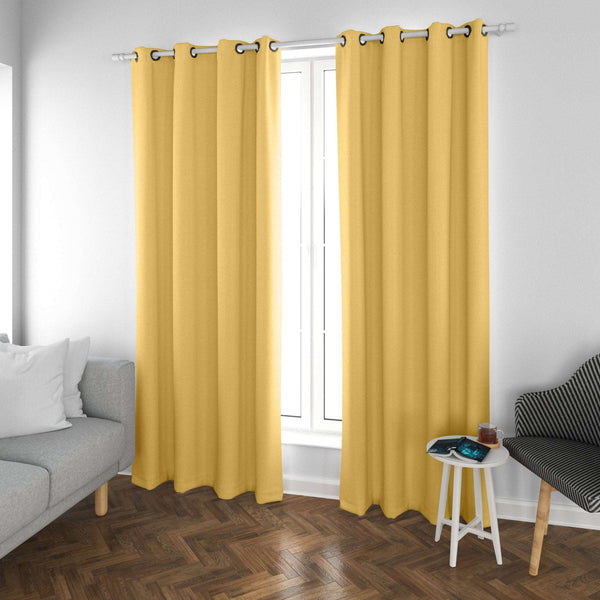
- Soundproof curtains turn rooms into sanctuaries: these French products absorb noise pollution to protect your health.
Public tranquility is protected by the Penal Code and the Public Health Code. Article R623-2 of the Penal Code specifies that offensive or nighttime noise or disturbances that disrupt the peace of residents are punishable by a fine applicable to third-class misdemeanors. It is essential to understand that the concept of nighttime noise does not depend on a specific decibel threshold measured by a specialized device. A simple auditory observation by a law enforcement officer is sufficient to establish the offense. Why not install a doornoise-reducing curtain ?

The Legal Framework for Nighttime Noise
As a general rule, nighttime is defined as the period between 10:00 p.m. and 7:00 a.m. During this time, the tolerance level for noise in the neighborhood is virtually zero. If a party, home renovations, or loud music disturbs a neighbor during this time, the person causing the noise is legally at fault. This rule applies every day of the week, including weekends and holidays. However, some prefectures may adjust these hours by decree, so it is recommended that you consult the specific regulations for your department or municipality.
| Nature of the noise pollution | Standard grace period | Penalty imposed immediately | Recommended action |
| DIY and gardening activities | 8:00 AM to 12:00 PM and 2:00 PM to 7:00 PM | 68 euros (fixed fine) | Limit to legal working hours |
| Loud music and private parties | No entry after 10:00 p.m. | 180 euros (increased fine) | Notify the neighbors beforehand |
| Screams, singing, or behavioral noises | Strictly prohibited at night | 450 euros (maximum fine) | Keep the windows closed |
| Constant dog barking | Prohibited day and night | Possible confiscation of the animal | Education or soundproofing |
Steps to put an end to the disturbances
When dealing with a noisy neighbor, the law encourages a step-by-step approach to resolving the conflict. The first step is always to prioritize dialogue. Often, the person causing the noise is unaware of the building’s poor sound insulation. A polite approach usually resolves the issue without creating lasting tensions. If this approach fails, you can send a regular letter, followed by a certified letter with return receipt to formalize your request and establish legal proof.
The intervention of law enforcement
If dialogue is impossible or if the disturbance continues despite your warnings, you have the right to call the national police or the gendarmerie by dialing 17. Officers will come to assess the noise and may issue a citation to the offender on the spot. The fixed fine is sixty-eight euros, but may be increased to one hundred eighty euros if payment is not made within forty-five days. In cases of frequent repeat offenses, more serious criminal proceedings may be brought before the police court.
The Role of the Judicial Mediator
Before filing a civil lawsuit to seek damages, consulting a judicial mediator is now a mandatory step for neighborhood disputes. This sworn volunteer helps both parties find common ground and draft a written agreement that will be legally binding. This process is free and allows you to avoid attorney fees while achieving a concrete result regarding the behavior of the inconsiderate neighbor.
The Effects of Noise on Human Health
Noise at night is not just a social nuisance; it is a genuine public health issue. Sleep deprivation and prolonged exposure to noise put stress on the body and cause an increase in cortisol levels. In the long term, people exposed to repeated noise pollution may develop mood disorders, anxiety, high blood pressure, or cardiovascular disease. Protecting one’s acoustic environment is therefore a physiological necessity for maintaining a decent quality of life and optimal productivity during the day.
Nokomis 's expertise in sound insulation
Sometimes, despite legal measures, the layout of buildings makes it difficult to achieve quiet. This is where Nokomis , offering high-tech solutions to soundproof interiors. Since 2015, we have been developing high-performance sound filtration systems that act as a protective barrier against airborne noise and street noise. Our expertise is based on the use of dense, multi-layered materials that absorb sound waves rather than allowing them to propagate.
A domestic revolution
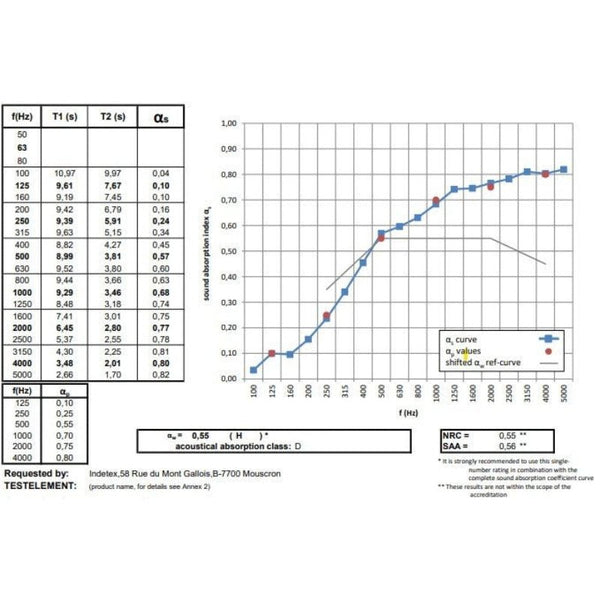
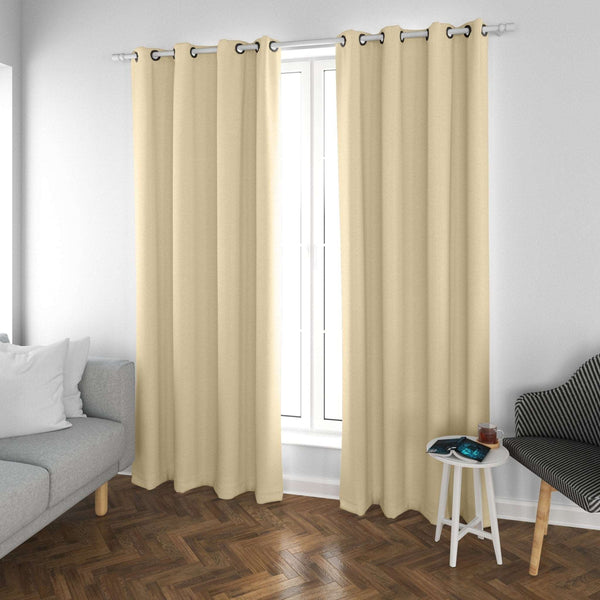
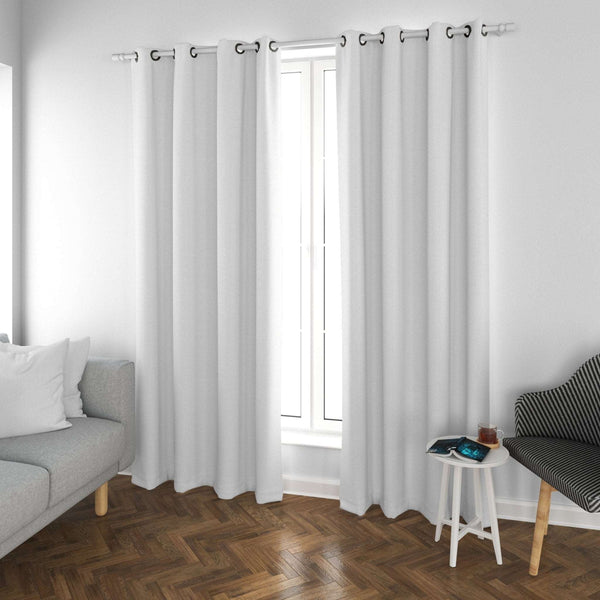
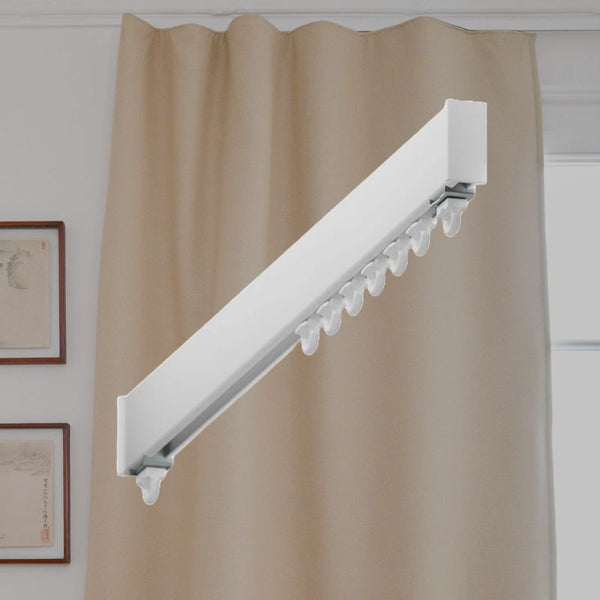
The flagship product in our line is the 30 dBnoise-reducing curtain , capable of reducing noise by up to thirty decibels. This device is designed to be installed in front of windows or doors, creating a powerful acoustic barrier. Thanks to a technical membrane integrated between high-quality decorative fabrics, it blocks both high-pitched sounds—such as raised voices—and low-frequency sounds—such as the roar of engines. It’s an immediate and aesthetically pleasing solution for transforming a bedroom into a sanctuary of rest.
Eco-friendly materials and made in France
Nokomis to the environment by prioritizing sustainable materials and local production. Our acoustic curtains and panels are manufactured in France, ensuring full traceability and impeccable craftsmanship. By choosing our solutions, you’re opting for healthy textiles free of toxic chemical emissions, while supporting domestic industrial craftsmanship. Our products do more than just provide sound insulation; they also offer high-performance thermal insulation that helps retain heat in winter and keep spaces cool in summer.
Practical Tips for a Serene Home
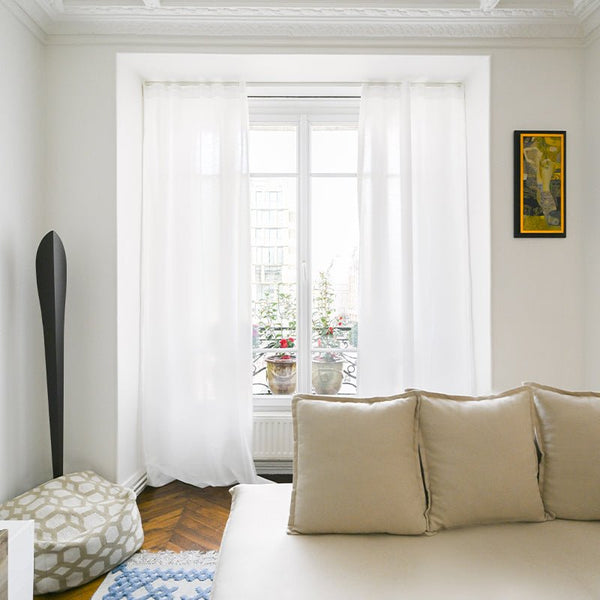
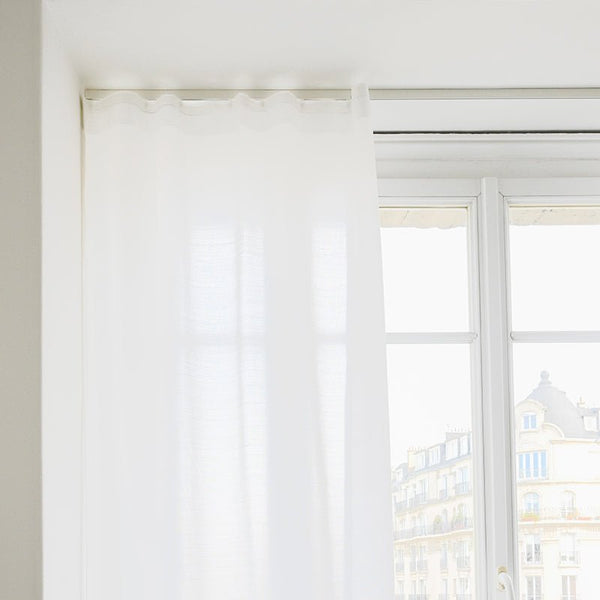
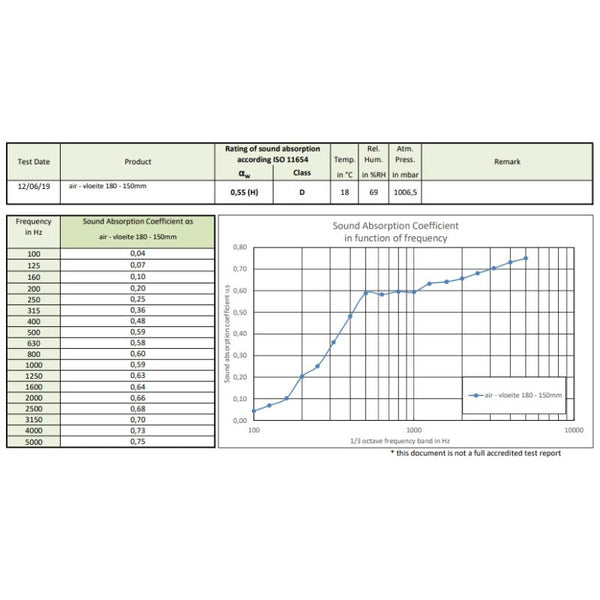
In addition to Nokomis installations, a few simple steps can improve your acoustic comfort. Laying thick carpeting on the floor helps dampen impact noise, while placing bookshelves filled with books against shared walls increases the wall’s sound inertia. Finally, using acoustic sheers on your secondary windows allows for soft light to filter in while reducing sound reverberation in living areas.

Combating nighttime noise requires perseverance and the right tools. Whether through strict enforcement of the law or by making technical improvements to your home with Nokomis products, regaining peace and quiet is a valuable investment in your future. A quiet night’s sleep is not a luxury; it is a right that every citizen should be able to fully exercise to maintain their personal well-being and health.