By reducing outside noise, soundproofing windows improves acoustic comfort in a home. It creates a peaceful indoor environment and ensures the well-being of the occupants. Effective soundproofing relies on several factors, such as the use of sound-absorbing materials, sealing window gaps, and installing double-pane windows and curtains. So how do you soundproof a window properly?
Choosing the right type of glass
Before undertaking any soundproofing work, start by choosing the right type of glass for your window.
The different types of glass and their soundproofing effectiveness
There are several types of glass:
- Single-pane glass: While serving a decorative purpose, single-pane glass offers average thermal and acoustic performance. Combine it with a acoustic curtain for effective sound insulation ;
- Double-pane windows: They consist of two panes of glass separated by a layer of air and can act as a barrier against outside noise;
- Triple-pane glass: It consists of three panes of glass separated by two air spaces. Its acoustic performance significantly exceeds that of double-pane glass;
- soundproof glazing: it can reduce noise pollution up to four times more effectively than single-pane glass and help block sound transmission;
- Tempered glass: It has undergone a special treatment to increase its strength. The thicker it is, the better its acoustic performance;
- Laminated glass: Because it has an intermediate layer, it can absorb sound vibrations.
Tips for choosing the right type of glazing for your environment and needs
To choose the right type of glazing for your needs and environment, first consider the noise level outside. If you live in a particularly noisy street, double or triple glazing is a good choice. This solution will restore calm inside your home. For frequent noise, laminated glass is particularly effective. However, it's especially advisable if sound insulation problems are not significant. Otherwise, tempered glass is more suitable.
In any case, if you want to know how to soundproof a window, it’s best to consult a professional. They will conduct a thorough assessment of your needs and recommend appropriate solutions, such as thermal curtain and soundproofing.
Improving window tightness
Techniques for reinforcing waterproofing
Discover several techniques for improving the watertightness of French windows and doors.
The application of gaskets
Gaskets can be applied around a window frame to fill cracks and limit air infiltration. Gaskets can be made of foam, rubber or silicone.
Acoustic caulking
It involves insulating the gaps between the window frame and the wall with insulating materials such as expanding foam. Caulking can also improve thermal insulation.
Applying heat-shrink film
To create an additional barrier against air infiltration and heat loss, heat-shrink film can be applied to the glass.
Installation of sealing rings
To block draughts around patio doors, we recommend installing self-adhesive sealing strips around the frames.
Step-by-step instructions for applying these techniques
For quality soundproofing, it's important to perform these techniques correctly. Here are the steps to follow for each of them.
Sealing gaskets
Start by cleaning the surface around the window, then wait for it to dry. Next, choose a sealant appropriate to the type of window and the size of the cracks to be filled. Then glue the gasket along the perimeter of the frame, fixing it evenly and continuously. Apply pressure along the entire length to ensure good adhesion. Finally, test the window's closure to ensure that the seal does not interfere with its mechanism.
Acoustic caulking
First of all, identify any areas where noise can pass through, such as cracks, joints and gaps around the frame. Next, clean the window so that the soundproofing materials adhere perfectly. You can use adhesive soundproofing strips for this technique. Apply them along the frame to seal any gaps. Next, place acoustic seals around the perimeter of the window, pressing them in firmly. Finally, to absorb sound vibrations, insert acoustic insulators into the empty spaces in the frame.
Heat-shrink film
To begin with, clean the glass to remove residues and dirt. Next, cut the film to size, leaving a few centimetres of excess on each side. Then spray the inside surface of the glass with soapy water to facilitate application. Then stick the film in place, making sure it fits snugly, and smooth it out with a squeegee to remove any air bubbles. Then remove the excess and heat the film with a hairdryer. This will eliminate wrinkles.
Sealing rings
How do you insulate windows with weatherstripping? To do this, first clean the surface around the window. Next, measure and cut the weatherstripping to the desired length, and place it along the perimeter of the frame. Press it firmly into place to ensure a better seal.
Use soundproof curtains and blinds
The question arises: How do you soundproof a window? For better acoustic comfort, install soundproof curtains and blinds.
Soundproofing curtain and blind options
Several styles of curtains and blinds have been specially designed for soundproofing:
- Acoustic curtains: They incorporate acoustic materials such as foam to reduce sound reverberation;
- thick curtains: made from heavy fabrics, they act as a barrier against noise;
- Thermally insulated curtains: They enhance bothsound insulation s and thermal insulation;
- blackout curtains: although they are mainly used to block out light, they also help with soundproofing;
- Honeycomb blinds: Their honeycomb structure helps dampen noise;
- Dense fabric blinds: Thanks to their thickness, they can block out some unwanted noise.
Advice on choosing the right materials and installation to maximize efficiency
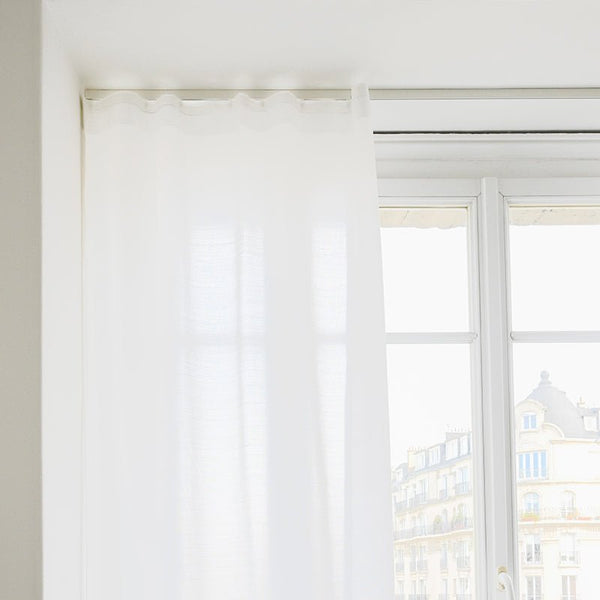
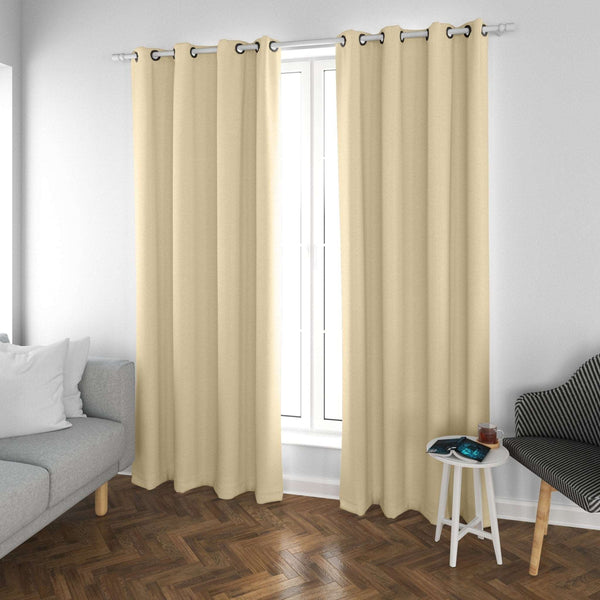
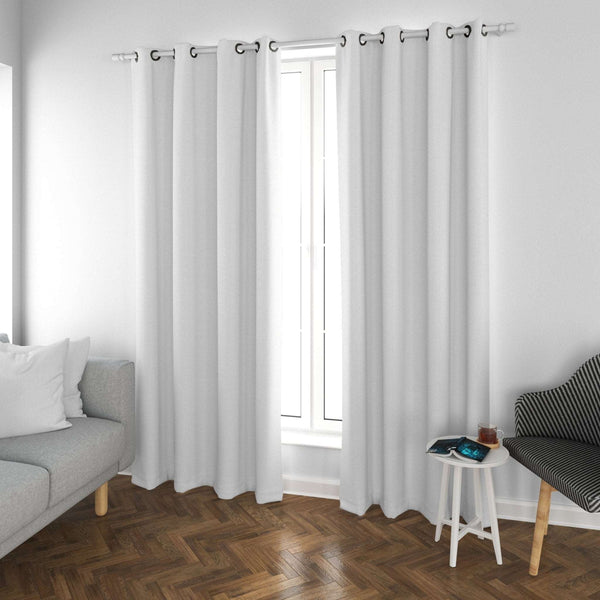
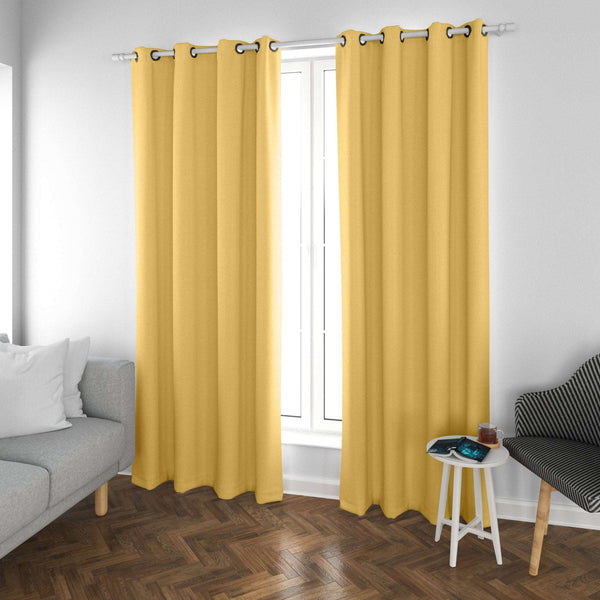
To maximize the effectiveness of soundproof curtain, the choice of materials is essential. Opt for velvet, thick cotton, and polyester for the best results. The denser the fabric, the more effective it is. Also, when installing them, choose sturdy curtain rods, as insulated curtains are quite heavy. Next, hang them so that they cover the entire window. They should reach the floor and touch the window sill. The sides of the curtains should also meet the walls to prevent sound from seeping inside.
Nokomis products Nokomis soundproofing your home
So, how do you soundproof a window? Choose our high-performance insulation solutions.
The Nokomis product line
We offer a wide range of products specifically designed for soundproofing and improving acoustic comfort. These include acoustic sheers, “Performance” curtains, “Comfort” curtains, acoustic panels, and curtain tiebacks for double curtains. Our accessories are available in a variety of materials, sizes, and colors.
The unique features of Nokomis products
Of incomparable quality, our products are made from carefully selected top-of-the-range materials. Their design can be adapted to different interior styles. What's more, they offer unrivalled protection against outside noise and annoyance. Our acoustic curtains can be customized to suit your needs. They will significantly improve your everyday acoustic comfort.
Invest in soundproofing
To improve your family's quality of life, invest in soundproofing. This will help reduce noise to safer levels and protect your health. What's more, soundproofing contributes to a quieter, more relaxing environment. It will also safeguard your privacy, as your conversations will no longer be audible outside.
The solution tested in the laboratory
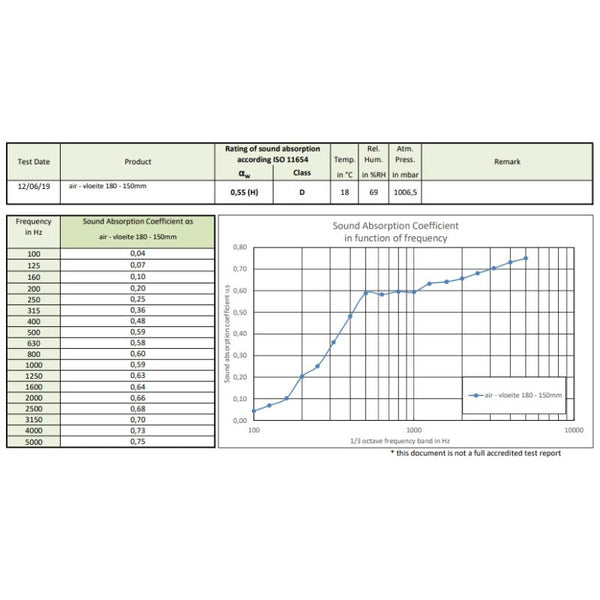
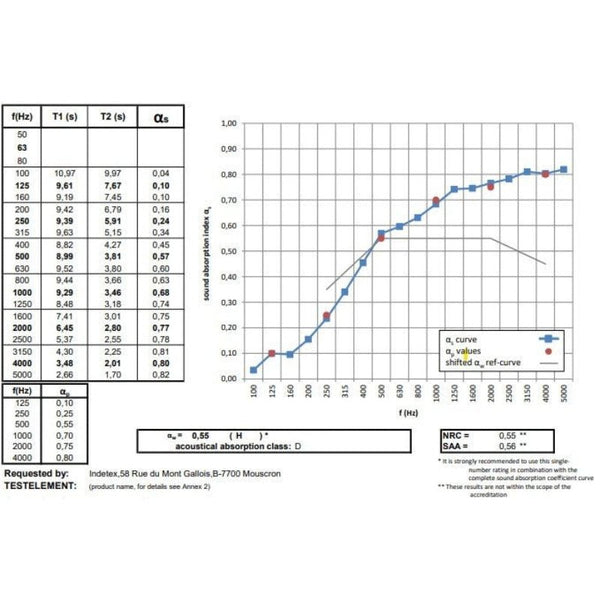
Nokomis 's Performance PLUS curtain has been tested in a BELAC-accredited laboratory—up to −28.2 dB at 5,000 Hz (report no. A-2020LAB-060-I766-44092_E · NBN EN ISO 10140-2:2010).
See the curtain tested in the lab →