By creating an aesthetically pleasing and functional environment, interior design can influence mood and productivity. Similarly, soundproofing promotes comfort and concentration by ensuring a peaceful space. In response to these two concerns, manufacturers have developed the window soundproofing curtain. In addition to adding a decorative touch to a room, it contributes tosound insulation. As a result, it can make an interior space more pleasant.
Basic principles of soundproofing
The way noise enters a room
Usually originating from outside, noise enters a room in a variety of ways. It can pass through solid structures such as walls, floors and ceilings, but it can also travel through the air. In poorly insulated spaces, noise also tends to spread easily. For example, if your windows are single-glazed, they have little capacity to reduce noise. Installing a soundproof curtain can be an effective solution in this case.
Basic principles of soundproofing
Soundproofing is based on a few principles:
- Sound absorption: This involves incorporating sound-absorbing materials—such as a soundproof curtain with a rating of 12 dB or higher, carpets, or acoustic panels—into the room to reduce the reverberation of sound waves;
- Airborne sound insulation: acoustic insulation materials such as glass wool or rock wool are used to prevent sound transmission through ceilings, floors and walls;
- use of heavy materials: to effectively block sound transmission, soundproofing materials are combined with heavy materials such as fiberboard or lead;
- eliminating acoustic bridges: to limit the propagation of sound through doors and windows, holes, cracks and gaps between materials must be sealed.
Soundproof curtains: design and functionality
Noise control curtain features
The window soundproofing curtain has many features. It is typically made of several layers of dense materials such asvelvet, polyester, and acoustic insulation fabric. This allows it to block sound waves. This product may also include an acoustic lining to enhance its sound-absorbing capabilities. Similarly, it may have a weatherstrip along the edges to reduce sound leakage. Finally, the noise-reducing curtain is available in a wide variety of styles, colors, and patterns.
How do these curtains combine aesthetics and functionality?
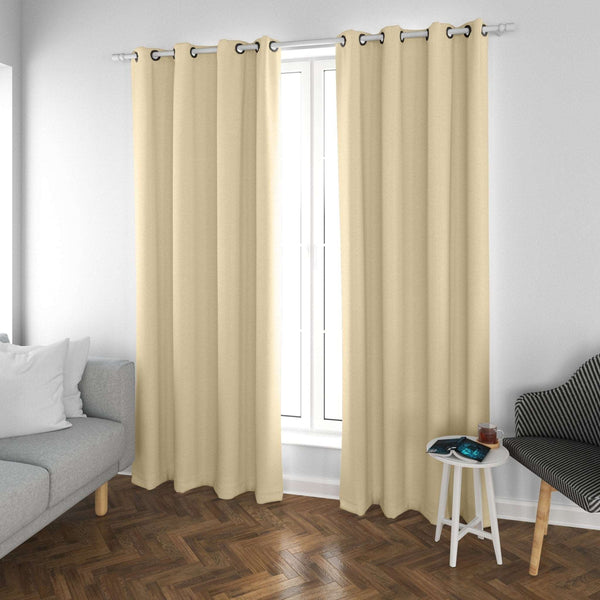
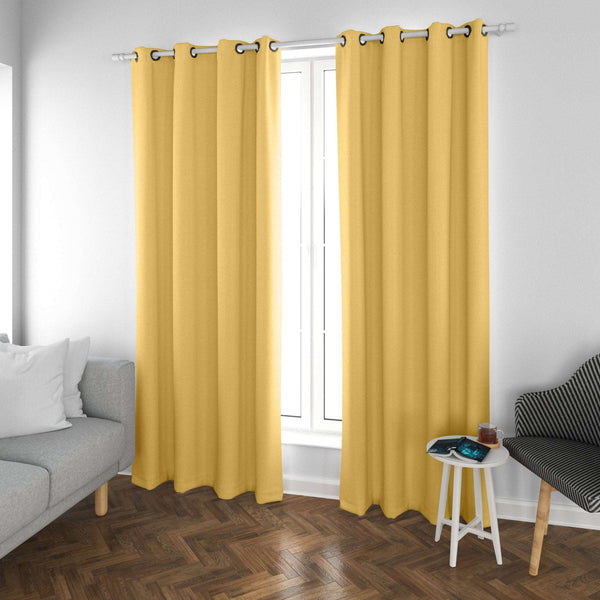
As mentioned earlier, acoustic curtains are available in a variety of styles and colors. As a result, they can be seamlessly integrated into any interior space. Furthermore, although they are primarily designed to enhancesound insulation, the materials used to manufacture them are of high quality. Consequently, they feature a luxurious and modern design. Some models even feature soft textures, making them more pleasant to the touch. They also provide a sense of visual comfort. Finally, manufacturers pay close attention to details and finishes to make them more attractive.
Examples of designs and materials used in these curtains
Noise-reducing window curtains come in a variety of designs and materials. These include :
- Full curtains: these are made from heavy materials such as blackout velvet fabric. In addition to providing excellent thermal and sound insulation, they have a luxurious appearance.
- textured curtains: contributing to sound absorption, curtains with textures such as linen, jacquard and corduroy can add a modern decorative touch to a room;
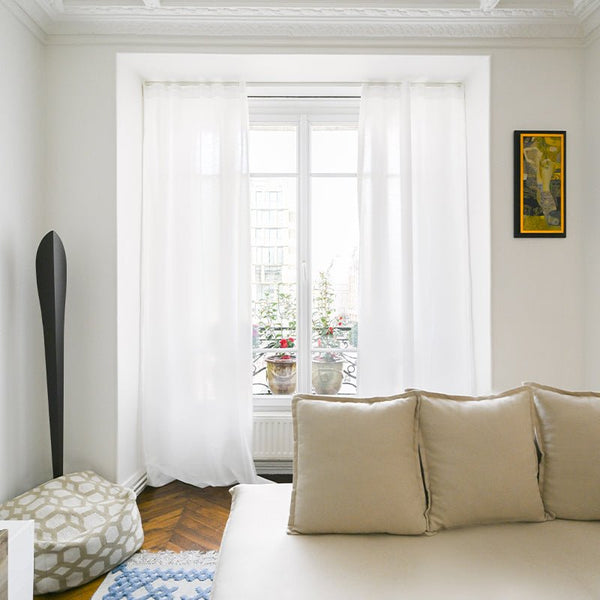
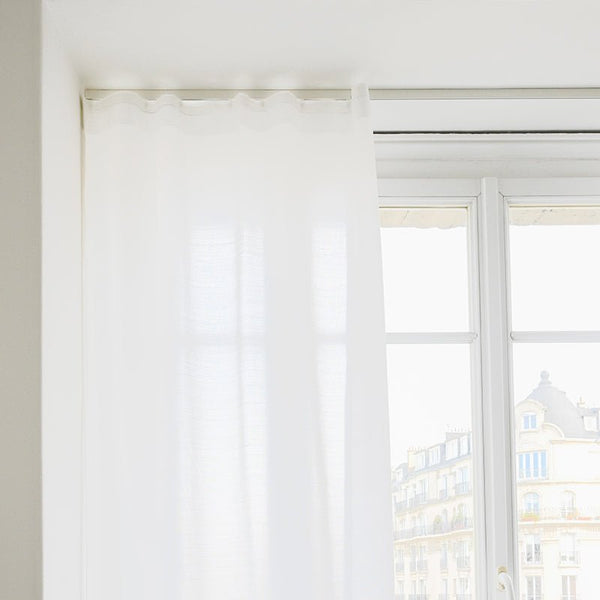
- Sheer curtains: Made from lightweight materials such as organza and voile, they let in natural light and provide moderate noise reduction .
Integrating soundproof curtains into interior design
Tips on choosing curtains to match your interior decorating style
To create a harmonious ambience, it's important to choose your noise-reducing window curtain according to the style of your interior design.
For a modern interior
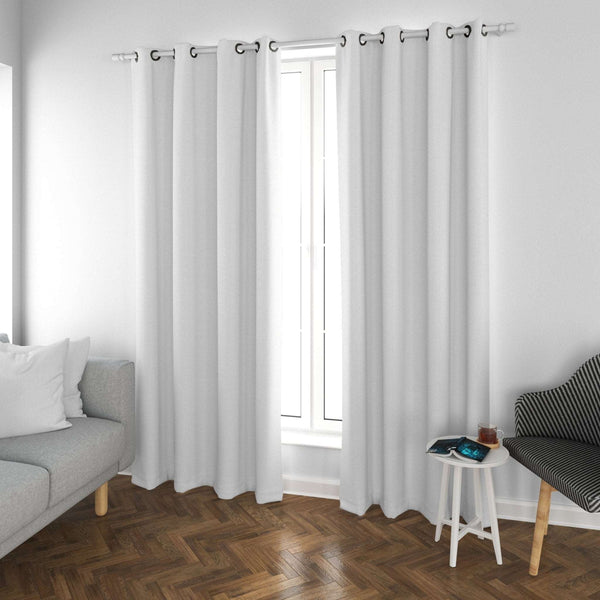
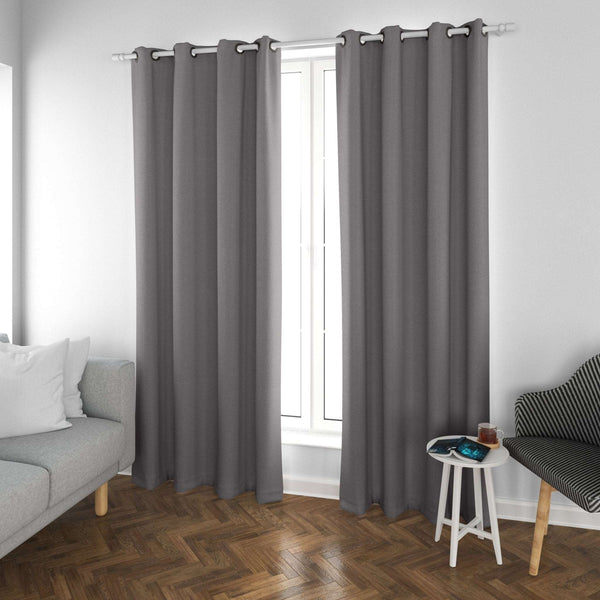
For a modern, minimalist style, opt for simple, uncluttered curtains in neutral tones like gray or white. Subtle textures are also preferable.
For an industrial interior
Linen or cotton canvas curtains can be easily integrated into an industrial decor. Choose raw colors such as black or gray.
For a bohemian interior
To enhance your bohemian decor, choose curtains in bright colors and floral or ethnic motifs.
For a Scandinavian interior
Light linen curtains in white or light gray are perfect for a Scandinavian room.
Examples of room configurations where soundproof curtains can be aesthetically integrated
Here are a few examples of room configurations where soundproof curtains can be aesthetically integrated:
In the living room
Acoustic or soundproof curtains can be installed over windows to create a comfortable, calm environment. Choose elegant models in neutral tones to complete the decor.
In the bedroom
Opt for soft curtains in soothing colors like white or light blue to promote a relaxing ambience.
In a home office
In an office, the color soundproof curtain should create an environment conducive to concentration and work. Therefore, opt for textured fabrics and inspiring colors.
The different types of acoustic curtains available
Specific explanation of sound curtains
Sound-absorbing curtains are designed to reduce the transmission of sound through windows. They consist of several layers of fabric with sound-absorbing properties. They also feature extra weights to help hold them in place.
Sound curtains can reduce the transfer of external noise, such as neighborhood and traffic noise. They also help limit reverberation and improve a room's sound quality.
Decibel efficiency
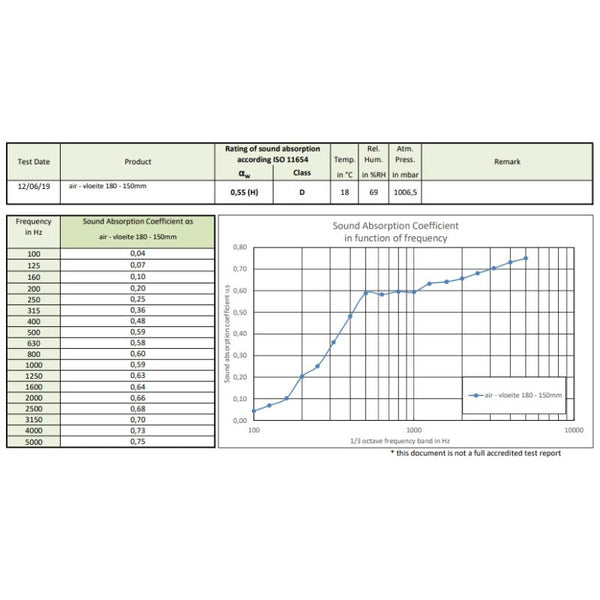
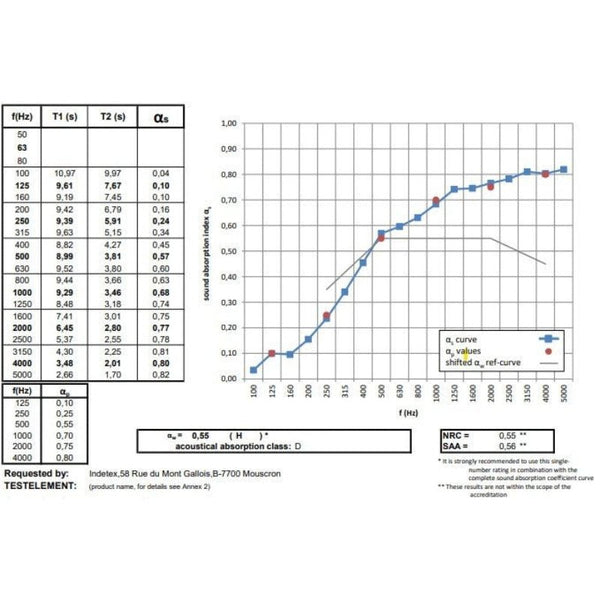
The effectiveness of a soundproof curtain depends not only on its specifications, but also on the frequency of the noise to be reduced and how it is installed. For example, some models can reduce outside noise by 10 to 20 dB. It all depends on their design, thickness, and sound quality. Therefore, to achieve optimal results in terms of noise reduction, it is advisable to consult a specialized manufacturer. They will be able to determine the type of window noise-reduction curtain best suited to your needs.
Comparison with other types of noise curtains and their respective effectiveness
Soundproof curtains are effective at reducing outside noise and are primarily used in rooms where noise pollution is a problem. They can be installed in bedrooms, living rooms, or offices. However, other types of soundproof curtains, such as acoustic curtains, are denser and thicker. As a result, they are recommended for recording studios and home theater rooms. They help create an acoustically isolated environment, making them essential in spaces where optimal soundproofing is required. Finally, you can opt for a blackoutthermal curtain . This model is not specifically designed for sound insulation, but thanks to its thickness and opacity, it can absorb a small amount of noise. It’s an ideal choice if the noise problem isn’t significant.
Nokomis, for high-quality soundproofing in your home
Final tips for choosing and integrating soundproof curtains into interior design
In the end, to choose and integrate soundproof curtains into your interior design, determine your needs beforehand. Identify the sources of noise and the rooms that need maximum soundproofing. Then choose curtains that match the style and color of other decorative elements. Don't forget to measure your windows before placing your order, to ensure they are adequately covered.
Soundproofing, an essential aspect of interior design
Often overlooked, soundproofing is nevertheless an essential aspect of interior design. It helps to create a comfortable and harmonious environment. That's why installing an attractive soundproof window curtain can improve the quality of life in your workspace or home. Trust our team to provide you with effective, low-cost solutions. At Nokomis, we are committed to providing you with high-quality curtains.