Quick Hemming Guide
- Gather the following supplies: measuring tape, pins, an iron, and fusible interfacing; measure the hanging curtains and allow 2 cm for the hem and 4 cm for the seam allowance.
- Method by fabric type: sewn hem for heavy fabrics, fusible interfacing for sheers; adjust stitching time and stitch length according to the material for the best results.
- Testing and care: Test on a small area first; iron according to temperature instructions; wash on a gentle cycle at 30–40°C; do not tumble dry.
Shortening a curtain usually takes 20 to 60 minutes, depending on the method you choose and the size of the panel. This guide lists the materials you’ll need, details two reliable techniques, and provides tips for a neat hem that holds up through washing. You’ll learn what to choose based on the fabric and your skill level to avoid any unpleasant surprises. So, how do you choose your curtains?

The essential tools and preparation for neatly shortening curtains.
Gather your supplies before you start working with the fabric to save time and minimize mistakes. You’ll need a measuring tape, pins, an iron, sewing scissors, matching thread, and fusible interfacing. Having a flat, clean surface helps ensure a perfectly straight fold.
A list of essential equipment, including affordable alternatives and the required skill level.
Here are the essentials: measuring tape, pins, iron, sewing scissors, matching thread, and fusible tape. Alternative to measuring tape: a rigid ruler and a marker; skill level: beginner. Alternative to pins: clothespins or clips; skill level: beginner. Alternative to fusible tape: liquid fabric glue; skill level: intermediate.
The organizational procedures and steps to take before starting work.
Measure each curtain while it is hanging and note the final length at several points. Allow for a 2-cm visible hem and a 4-cm safety margin before cutting. Lay the fabric flat on a table and mark it with pins every 10 cm to ensure a straight finish.
| fabric | iron temperature (°C) | Recommended stitch length (mm) |
|---|---|---|
| sheer curtain (polyester) | 110–140 | 1.5–2.0 |
| lightweight cotton | 150–180 | 2.0–2.5 |
| double-layered blackout | 160–180 | 2.5–3.0 |
| heavy fabric (velvet, jacquard) | 150–180 | 3.0–3.5 |
A step-by-step guide to sewing and iron-on hems, depending on the fabric.
Choose a sewn hem for heavy or lined fabrics and a fusible interfacing for lightweight sheers. Allow 30 to 90 minutes for machine sewing and 15 to 30 minutes for the fusible interfacing. Choose the method that best suits the fabric type to prevent distortion and wrinkles.
Step-by-step instructions for the sewn hem method, for beginners and experienced sewers alike.
The sewn hem method offers the best washability and a professional finish for heavy curtains. Start by measuring and marking the final height, fold the hem over twice to hide the edge, and pin it in place at regular intervals. Sew it with a tight straight stitch, then iron the hem to flatten the seam and set the shape.
1/ Measure: Mark several points while the fabric is hanging, then take a final measurement on the floor. 2/ Fold: Fold the fabric over twice, 2–4 cm each time, depending on the thickness, to prevent fraying. 3/ Sew: Use a tight straight stitch on the sewing machine or even stitches by hand, then iron.
The iron-on method explained, with tips on ironing and long-lasting adhesion.
Iron-on tape allows for quick and discreet repairs on sheer curtains and very fine fabrics. Clean the edge, place the tape between the two folds, and press with a hot iron, taking care to match the fabric’s temperature. Test the hold on a scrap first and let it cool completely before handling.

1/ Test: Try it on a scrap piece to check adhesion and temperature. 2/ Apply: Align the tape with the center of the fold and press for 10–15 seconds per section, as directed by the manufacturer. 3/ Care: Wash gently and do not tumble dry to preserve the adhesive.
A final comparison of Nokomis maintenance and recommendation methods Nokomis optimal results.
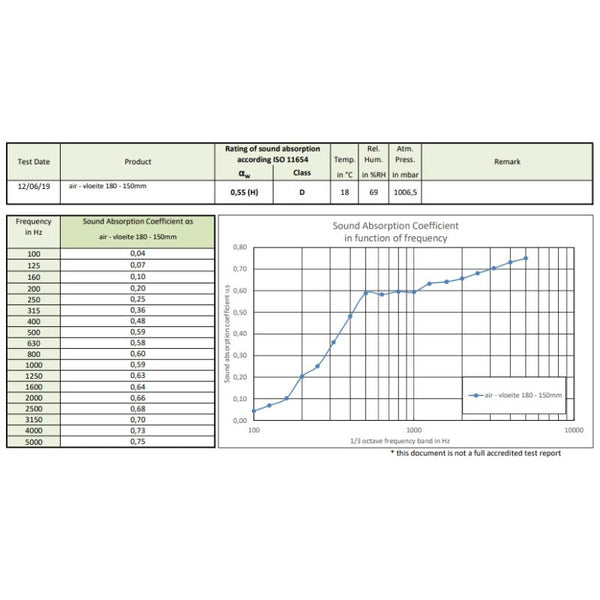
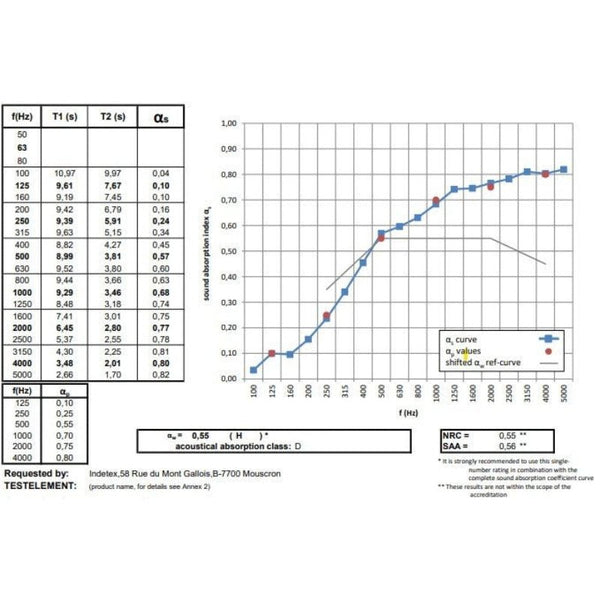
The initial cost of the iron-on adhesive is low and installation is quick, but it is less durable if the curtain is washed frequently. A sewn hem takes more time and may cost more if you hire a professional, but it withstands repeated washings and tension on the Curtain pole better. A acoustic curtain offers additional performance whensound insulation is a priority; this is worth considering if the need for soundproofing justifies the investment.
Nokomis solutions tailored to both residential and commercial spaces: measurement guidance, a repair kit that includes tape and accessories, and the option to have measurements taken by local partners. The kits allow Sophie and customers in a hurry to achieve a clean finish without having to leave home, with technical support available by phone if needed. Choosing the right product and getting expert guidance reduces errors and ensures a long-lasting installation.