Summary in “neighborhood café” mode
- The daily struggle with noise isn't just a matter of insulation or miracles, but a quest for homemade soundproofing tips and a keen ear, punctuated by surprises (and hassles) behind every wall.
- Sometimes you learn the real key on the job: understanding the differences between isolation, absorption, and sound insulation so you stop mixing apples and oranges when it comes to sound—even my toaster does a better job!
- Choosing the right material, diagnosing the noise, following the method, and daring to ask for advice—all this makes peace and quiet less rare than a 1970s carpet... and a hundred times more enjoyable.
You walk between the wall and the ceiling, often with this strange hope of finally silencing the city, the hallway, the unknown behind the wall. You dream of a dense, palpable, almost unfindable silence, that moment when the general noise collapses. Yet you regularly notice the fragility of a sound barrier, pierced by a neighbor's voice, distant music, the strange awakening of a truck at dawn. With an acoustic veil, you could regain your serenity.
You may think you've tried everything, from insulation to double walls, but the magic rarely happens on the first try. Acoustic work never follows a universal formula, so it's a story of ups and downs, technical difficulties and happy surprises, and sometimes your ears will challenge your convictions. Don't forget to choose the best acoustic insulation to fully enjoy all the benefits.
Understanding the fundamentals of sound insulation
You whisper at home, hoping to achieve complete calm, you move to another floor to escape your neighbor's chainsaw. Soundproofing seals the boundary between tranquility and intolerance to noise, which sometimes escapes you, but you return to it as soon as a noise penetrates the wall. Feelings matter, of course, but the real key lies in the waves that climb, pass through, and bypass every surface of the home. So you base your choices on a precise science that is completely unforgiving of approximation. Today, comfort requires a sound strategy that selects, measures, and adapts to each use.
The Difference Between Sound Insulation, Sound sound insulation , and Sound Absorption
You hastily mix up the concepts of insulation and soundproofing, sometimes out of habit, sometimes by imitation, but no serious solution allows for this amalgamation. Insulation effectively blocks the passage between spaces, while sound absorption works to dampen echoes within the same room. Soundproofing involves combining materials, techniques, and installation choices so that noise is fragmented or eliminated. In short, each noise has its own language and solution, and confusion only muddies the waters. You adjust your aim when the walls themselves rebel. You sense that the famous law of mass, celebrated by many, does not solve every problem; on the contrary, sometimes it solves nothing at all.
The role of insulation materials and techniques
You leaf through the catalogs, wood fiber, foam, rock wool—everything appeals to you or leaves you skeptical, depending on the case. Each acoustic solution has its limitations, its own density, and architectural compatibility that must be constantly monitored. You discover installation on metal frames, double partitions, thick glazing, you get a little lost, but in the end, everything works if each parameter meets the requirements, mass, and destination. Thus, each wall requires its own method, the right product, and ad hoc installation; there is no room for approximation here. If you are aiming for performance, you reevaluate in the laboratory, with a microphone, or on site before declaring victory.
| Material | Acoustic efficiency | Recommended uses | Benefits |
|---|---|---|---|
| Glass wool | Good | Walls, ceilings | Moderate cost, versatile |
| Rock wool | Very good | Walls, partitions, floors | Fire resistant, high performance |
| Wood fiber | Good to very good | Exterior walls, floors | Natural, eco-friendly |
| Recycled textiles | Good | Attics, lightweight linings | Environmentally friendly, lightweight |
You understand the thickness, mass, and roughness of each material. Sometimes this comes late, after many mistakes, but the link between technique, result, and comfort becomes crystal clear. There is no point in chasing absorption before grasping these basics; this is the kind of teaching that pays off over twenty years. Taking the time to learn the fundamentals avoids many surprises, even in the peaceful hubbub of a comfortable apartment.
7 common mistakes to avoid when renovating for better acoustics

Acoustic renovation is a formidable undertaking, and it has its own pitfalls. Some traps are more subtle than others, sometimes almost comical, sometimes completely discreet.
Confusion between thermal insulation and acoustic insulation
You invest in glass wool, believing it will solve everything, but noise still travels through the walls. You discover that warm insulation does not filter out the cold impact of footsteps. The combination of thermal and acoustic insulation is nothing short of miraculous, yet their effectiveness differs radically, as you quickly realize. Regular monitoring of performance and finish saves you months of frustration. Indeed, tradition dictates that the last detail sometimes governs the entire result.
The initial misdiagnosis of noise sources
You forget to listen, really listen, to the source of the noise. A washing machine, the highway below, the impact of footsteps upstairs—everything has its own sound. You measure, or you improvise, but an error in this assessment will wear you down in the long run. From now on, you use the recommended tools—sound level meters, lists, apps—so you don't miss anything, because misanalysis is costly, even tripling the budget in the end.
| Noise type | Examples | Area to be insulated |
|---|---|---|
| Airborne noise | Voice, television | Walls, doors |
| Impact noise | Steps, falling objects | Floors, ceilings |
| Solid noise | Vibrations from household appliances | Party walls |
You finally identify the type of nuisance, and then you change your entire method, and the project takes an unexpected turn. It's surprising how sometimes the correct diagnosis is overlooked, even though it determines the entire course of the work.
The inappropriate choice of materials or installation methods
You give in to the temptation of miracle foam, with its grandiose promises and hopes of immediate silence, but the results crumble as soon as it is installed. Each material requires its own technique and installation method; sometimes, a simple reversal is enough to ruin its overall effectiveness. You learn to weigh up, correct, and adapt to the context; thickness varies depending on the room, and noise dominates depending on its frequency. Sometimes the packaging is misleading, the website exaggerates, and reality brings you back to acoustic theory, mass, surface area, and the frame, where everything comes into play. Your perseverance often makes the difference.
The method for successful soundproofing
You listen, you measure, you map out the soundscape of your home. You note the time, the source, the frequency, sometimes obsessively. Indeed, every success begins with this honest and accurate analysis; there is no question of feigning indifference. You use every tool at your disposal—questionnaires, microphones, decibel meters—to distinguish between a home that vibrates and one that protects, leaving no room for approximation or empty dreams.
The informed selection of acoustic solutions and materials
You now choose your curtains, insulation, and systems based on weight, installation, and the applicable standard. You correct past mistakes, you hesitate, and finally, each product finds its place. The year 2025 requires greater sophistication in selection, regulations are becoming more stringent, and choosing sometimes becomes a journey of discovery. So you consult, weigh up the information, and read the fine print. It would be wise to add a performance test, otherwise the adventure quickly takes on a disillusioned tone.
The call for professional resources and regulatory information
You surround yourself with people, ask questions, consult with acousticians, architects, and design offices. You discover a dense, technical, sometimes mysterious world, then everything becomes clear when the standards, glossary, and measured values finally align the result with your expectations. Sometimes curiosity saves more than skill, because the environment is now changing rapidly, legislation is keeping pace, and nothing remains stable in this fast-moving sector. You get caught up in the game of control, monitoring, and vigilance, without neglecting the pleasure of silence achieved through hard work and the audacity of listening.
You realize that true comfort comes from your mistakes and your retries. The passion for detail in renovation, the patience of trial and error, the science of noise—all of this leads you to your own silence, unprecedented, constructed, sometimes miraculous, often fragile, always deserved.
Nokomis acoustic curtains, a flexible solution when walls are no longer enough
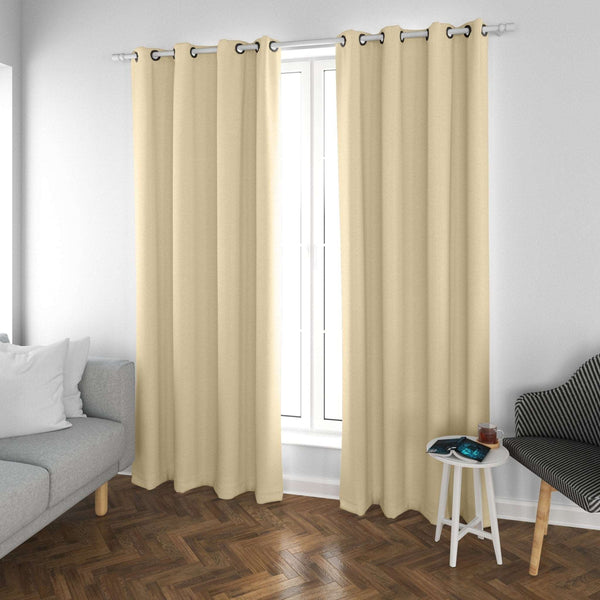
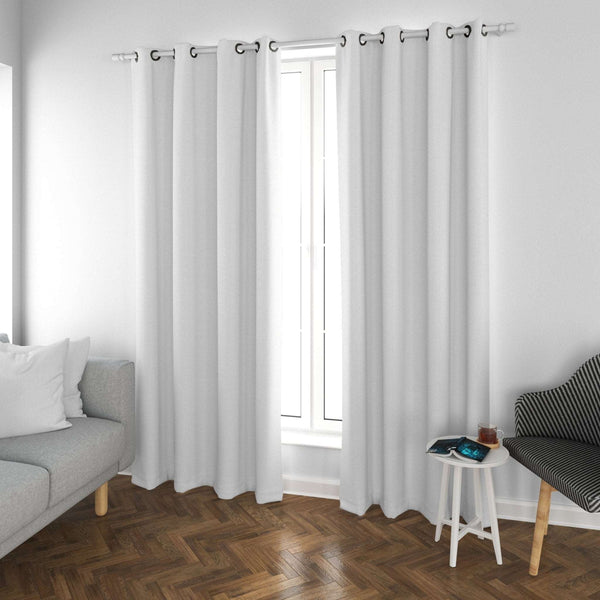
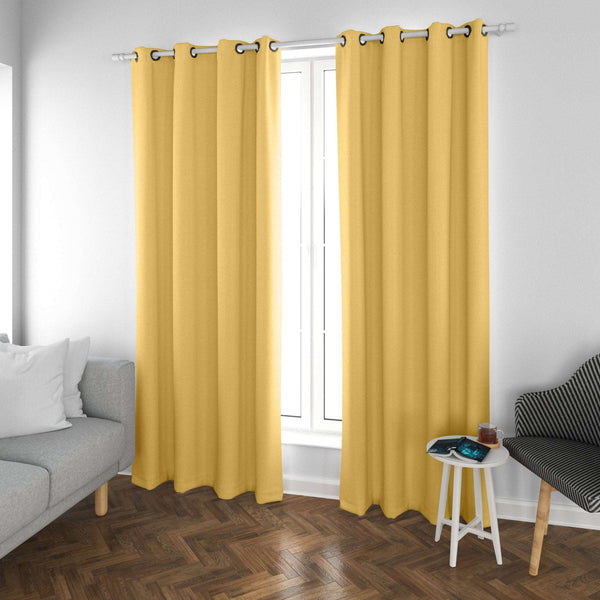
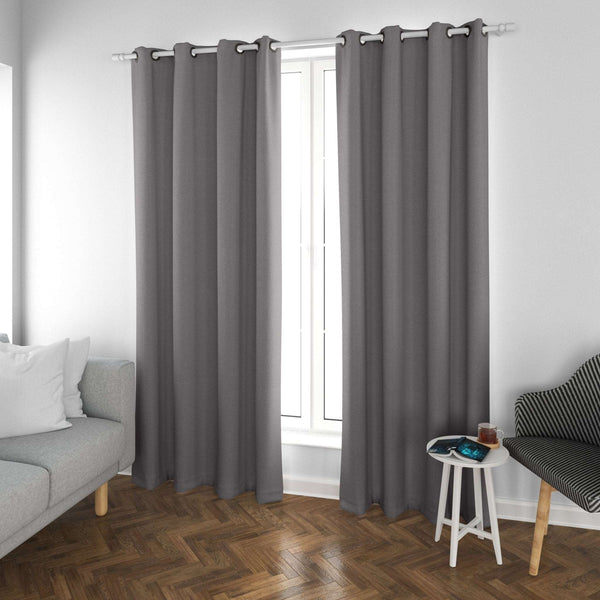
Sometimes, you can't push walls or double a partition. That's where Nokomis comes in, with a more flexible approach to sound insulation. The acoustic curtains offered by Nokomis just decorative: they combine textile mass, multiple layers, and carefully studied density to effectively reduce airborne noise, particularly from outside or neighboring rooms.
This solution is designed for those seeking a quick, reversible solution that doesn’t require major construction work. Whether it’s poorly insulated windows, connecting doors, offices, bedrooms, or rental units, the acoustic curtain acts as a sound barrier, limiting noise transmission while improving acoustic comfort. It’s not a magic partition, but a useful tool—provided you understand its role: to supplement existing insulation or address a specific weak spot, without promising the impossible.