Summary, open curtain version
- Curtains are never insignificant; they reveal intimacy, modulate light and atmosphere, and transform a room into a gentle waltz or a dance of shadows (yes, even when they hang a little crooked, admit it).
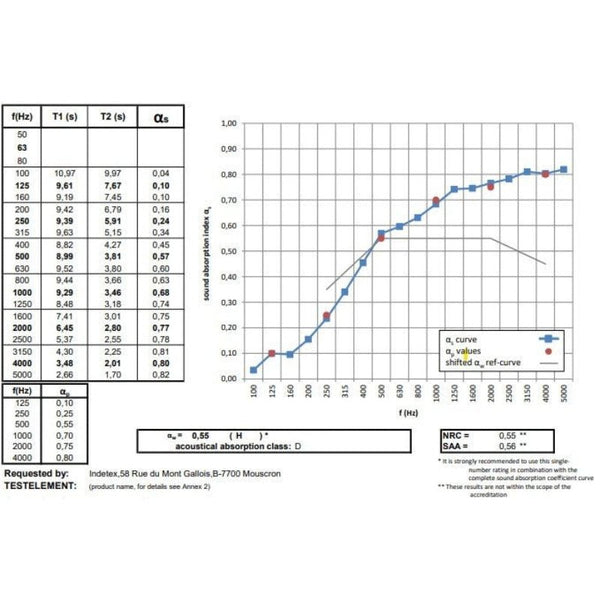
- The material, length, and color: this combination (sometimes unsuccessful, sometimes spectacular) determines comfort, insulation, and even how well outside noise is blocked out.
- The selection of accessories, precise measurements, and meticulous maintenance make all the difference: a beautiful curtain is a breath of fresh air for any room in the house.
The room is sometimes weighed down by silence, the living room buzzes with activity, the light scratches at the walls or fades away, and you sense that everything hinges on that spot by the window. You hesitate, then you’re surprised—yes, the choice of a simple curtain is no trivial matter. You thought it was unobtrusive, but it turns out to be essential; it fills the room with softness or shadow; it stands out in the decor like a silent messenger; it evokes both intimacy and public splendor. You stare at the fabric for a long time, wondering: is it meant for rest or for a room that buzzes with energy? The soundproof curtain is simply a must-have!
Homes, as you know, tell stories through their curtains; every shade and every fabric interacts with the daily life unfolding behind the window. A curtain doesn’t just decorate—it brings things to life, it makes light come alive, it shields from prying eyes, or it invites the outside world to whisper in. The choice is almost instinctive; it tells a story, it’s a journey of discovery, and it becomes a part of you. More than just an accessory, it blurs the line between shelter and the outside world. Ready to choose the best sound insulation for your home?

The role of curtains in creating harmony in an interior
You might be wondering: Should we really devote so much mental energy to this piece of fabric? To focus solely on its aesthetic qualities is to overlook the emotional architecture of the space. A strange blend of technique and instinct, choosing a “ soundproof curtain ” is also a matter of family anthropology.
The decorative and practical function of curtains
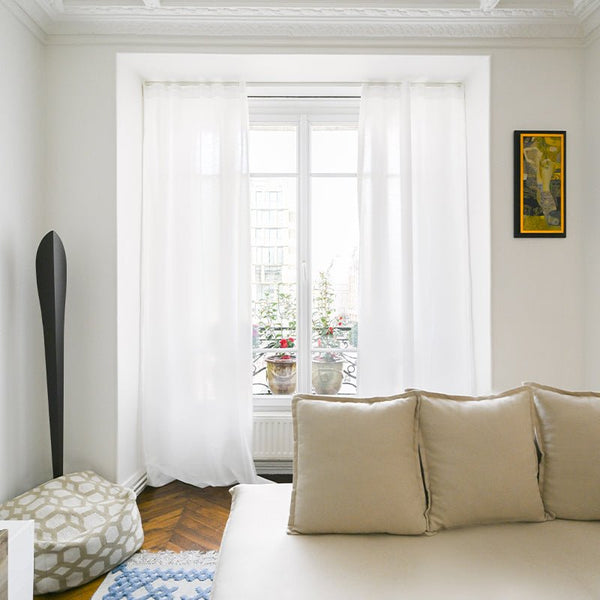
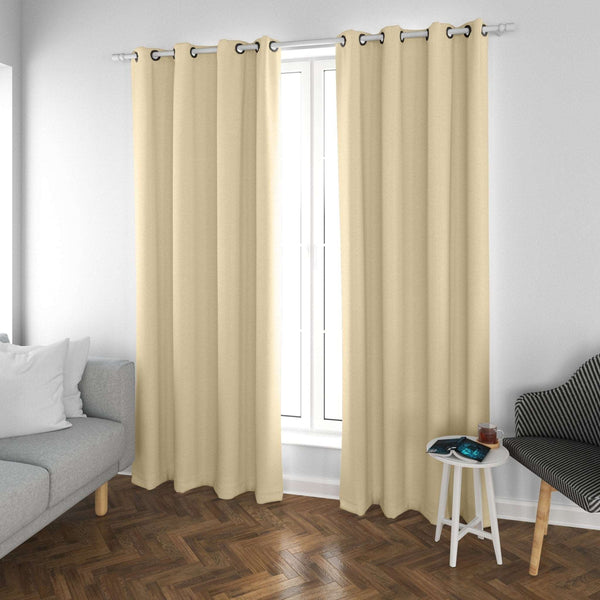
A curtain marks its territory, modulates light, and calms the tumult. You immediately feel the atmosphere, depending on its thickness or fluidity, you change worlds. A room engulfs you in darkness if you install blackout curtains, a living room stretches out in light if you opt for airy voile curtains. Indeed, you consider the technical aspects but never betray your aesthetic vision; that is your non-negotiable rule.
Winter asserts its presence, and suddenly insulating fabric becomes essential; you feel that it protects and envelops you. Summer, on the other hand, prefers the transparency of linen, which is almost cool to the touch and almost porous to the wind. You don't just cover or conceal; you compose a luminous, thermal, and sensitive scenario. However, function comes before style, but in fact, it should never dominate the overall atmosphere of the room.
You analyze the material, examine its density, and assess its hardness or softness. Linen, cotton, velvet—each fiber tells a different story. Yet you sense the limitations of these categories, blurring them with sudden desires or unexpected uses, sometimes improvising.
Current decor trends and influences
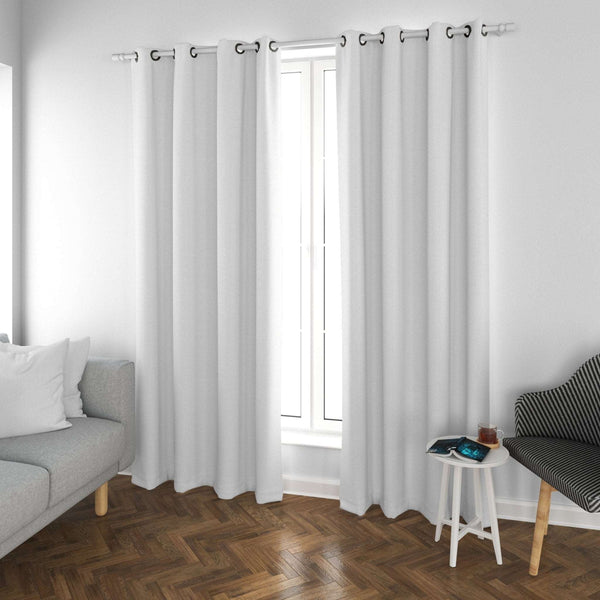
You see sage fabrics, diaphanous nude curtains, drapes designed for bohemian living rooms, and you hesitate. Yes, you like this washed linen, with its strange softness, this terracotta curtain that warms everything up, this washed cotton, this thick velvet that is so cozy. You notice that geometric patterns sometimes find their way into kitchens, plants invite themselves into living rooms, contrasts capture the light and cut through the vividness. On the other hand, you note that neutrality remains a powerful choice : white evolves throughout the day and never gets boring.
| Color | Recommended fabric | Associated style |
|---|---|---|
| Sage green | Washed linen | Scandinavian, Cozy |
| Terracotta | Heavy cotton | Bohemian, Trendy |
| Nude | Sheer curtain | Minimalist, Classic |
Now, materials, colors, patterns—all of these are signals to be deciphered. You reevaluate your expectations and keep your destination in mind. Sometimes a curtain is only used for the window; other times, it acts as a screen, a soft boundary at the back of the room.
The essential criteria for choosing curtains
When it comes time to make a decision, the technical aspect suddenly comes to the fore. You feel it, and it won't let go.
Taking measurements tailored to each window
You grab the tape measure, you aim carefully, you fear making a mistake, the window seems huge, or tiny. A curtain that skims the floor is graceful, one that gapes is clumsy. You measure the height, the width, the projection of the sill, and you may get lost in calculations, doubts, and corrections. You enjoy this scene, which is always different depending on the room and your habits of opening and closing.
| Window type | Recommended length | Recommended width |
|---|---|---|
| French window | Soil, 2 cm | 1.5 to 2 times the width of the window |
| Classic window | 5 to 10 cm below the edge | 1.5 times the width of the window |
| Bay window | Soil, brittle, 3-4 cm | 2 times the width of the bay |
However, surface area isn't everything, as you clearly understand. You think quickly, and the material and objective constrain you, guiding you toward one solution or another. Selecting the fabric will be the defining step, the key to success.
Choosing fabric based on purpose and ambiance
You choose sheer curtains on summer days, light everywhere, no visual boundaries whatsoever; you love this openness. On the contrary, you close the blackout curtains at night; you love the darkness, you silence the street, nothing filters through. A sheer curtain filters the light, never excessively, always striking a balance between two needs.
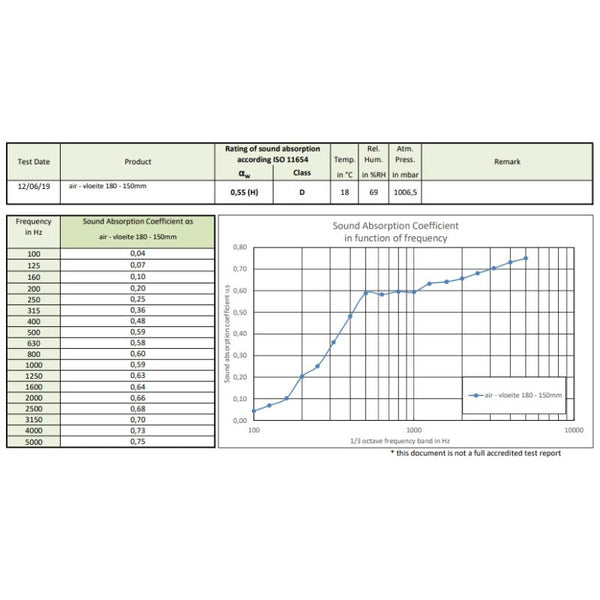
Certain technical fabrics reassure or protect you; they act as a barrier. You think about comfort in winter, insulation, noise that enters or is blocked depending on the thickness, you look at the material and its density. You never choose a fabric by chance; it is the result of careful consideration and analysis. In short, the fabric shapes the room, determines its temperature, directs the light, and modulates everyday comfort. It is therefore wise to link each curtain to the specific use of the room; otherwise, you will miss your target.
Tips for avoiding mistakes and perfecting the result
You have often heard about failures, measurement errors, and forgotten finishing touches. Perhaps you have tried it yourself.
Selecting accessories for a successful finish
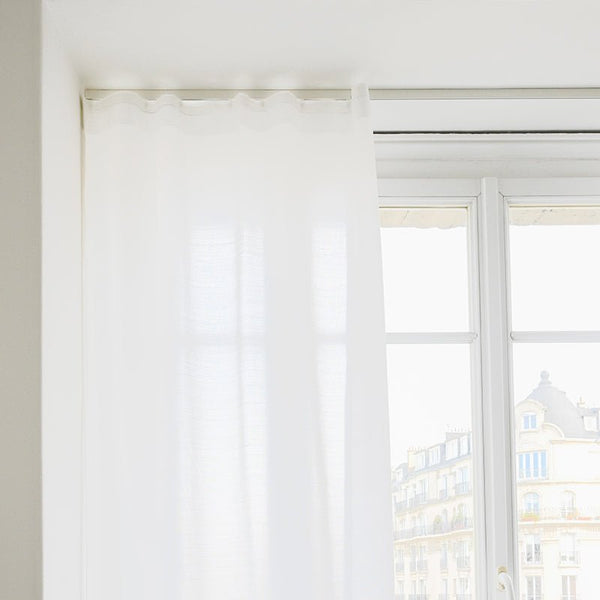
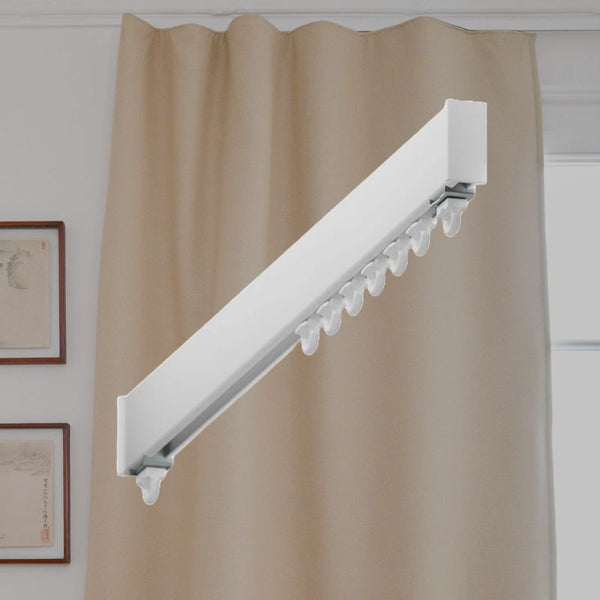
Curtain pole, rings, braids: none of these should be taken lightly, otherwise disappointment lurks. You install a fastening system that either enhances or detracts from the look—there are no half measures. A poorly hung curtain ruins the balance of a room, as you know. One detail, one fastener that is too visible or out of place, and the whole thing falls apart. You prioritize solidity, clean finishes, and consistency between materials and supports.
Curtain care according to fabric and use
Cleaning is on your mind, and you're worried about losing control of the fabric. You send velvet to the dry cleaner, wash cotton without fear, and carefully hang linen. However, silk frightens you; it requires a sure hand, cold water, and a gentle touch. To last, curtains require care, frequent dusting, and careful washing without rough handling.
You want to prolong their shine, their durability, and the softness of the fabric, so you anticipate wear and tear and preserve the color and fibers. You adopt automatic habits and establish routines, which is not without purpose. Curtains are part of everyday life; they endure your absences and face the light and cold, so they deserve special attention.
Common mistakes to avoid when choosing
Absurd, yes, to think that a curtain that is too short creates an illusion; completely inconsistent to neglect the material or the atmosphere. Consistency is never a coincidence; it takes shape in color, height, and drape. Some believe that mixing is daring, but cacophony lurks, and the eye cannot bear everything. You rebuild your decor, sometimes recognizing your mistakes, adjusting, removing one curtain, then another, until you find the right note.
Whether global or local, your thinking encompasses the entire room, taking into account the walls, the floor, and the lighting. The slightest oversight can be costly, but the pride of a perfect drape never fades.
Silence and comfort with Nokomis
You walk into the living room, the light follows you, the noise fades away. You notice that in 2026, you appreciate the change: the quest for calm and the search for the right light guide your interior design choices. A curtain no longer pits technology against style; it combines the two. You long for warmth, balance, and the tranquility of a peaceful space. A carefully dressed window is a barrier against noise, a window to the sky, a custom-made filter.
Who among you has never dreamed of a living room that absorbs the noise of the city, a bedroom that quietly fades into the evening? So the question is not a trivial one: which fabric, which mechanism, which color will tell the story of your days and nights tomorrow? You smile, you hesitate, you start again, nothing is set in stone, the house vibrates with every choice.