Prolonged exposure to noise pollution can cause headaches, anxiety and sleep disorders. Noise enters the home through walls and ceilings, but also through doors and windows. That's why it's important to take steps to reduce them. By protecting your home from the vagaries of weather and temperature variations, you can optimize your day-to-day noise comfort. Follow our expert advice on soundproofing doors.
Assessment of insulation needs
Here are the steps to follow to assess your insulation needs:
Identifying noise sources
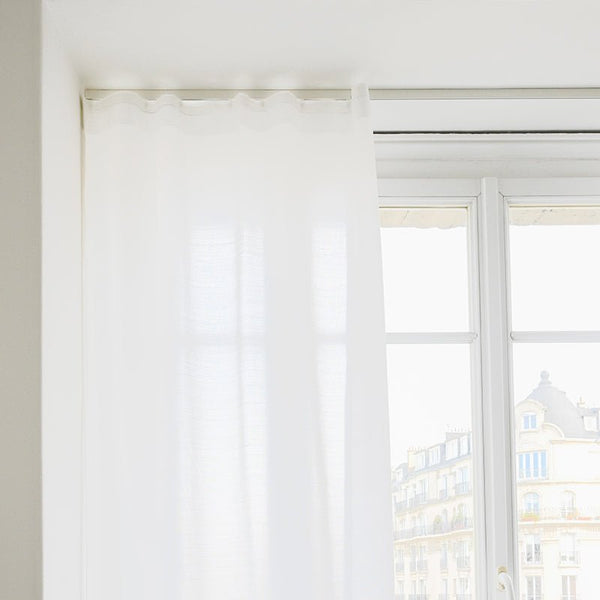
To begin with, you need to identify the sources of noise. To do this, simply observe your surroundings. Listen to background noises and determine when they become more intense. Use a decibel meter app on your smartphone to help you. It will allow you to measure sound levels. Also, investigate your heating systems, air conditioners and other electrical appliances that emit noise. Don't forget to identify sounds coming from outside, such as neighbors' noises. You can install thermal and acoustic curtains to reduce them by a few decibels.
Analysis of door types requiring insulation
Before soundproofing a door, it is important to determine whether it is necessary. In general, interior doors in bedrooms, meeting rooms, and any other space where privacy is essential require effective soundproofing. If they are sliding, hollow, or made of glass, they can be significant sources of sound transmission. Similarly, it is essential to improve thesound insulation ofexterior doors to block out outside noise.
Determining the level of insulation required for each situation
The required level of sound insulation for each door depends on the room’s use. In general, exterior doors require high- sound insulation s to minimize outside noise. Additionally, increased sound insulation is required for interior doors leading to noise-sensitive areas such as bedrooms. Installing soundproof curtains is highly recommended in such cases, as they provide an effective barrier against unwanted noise. In all cases, it is advisable to refer to acoustic standards expressed in decibels (dB) to accurately determine the necessary level of sound insulation.
Choice of insulating materials
Review of materials available on the market
Several materials can be used to soundproof a door:
- mineral wool ;
- acoustic foam ;
- cork panels ;
- glass fibers ;
- acoustic seals ;
- composite materials.
Performance and cost comparison
Each acoustic material has its own specific characteristics:
Mineral wool
Mineral wool, whether glass or rock wool, is effective at absorbing sound. It also helps reduce sound transmission. Its performance varies according to thickness and density. It's an affordable solution for door insulation.
Acoustic foam
Acoustic foam absorbs sound waves and reduces reverberation. However, it is less effective at blocking sound transmission. If you want to use it to soundproof a door, it's best to combine it with other materials such as acoustic panels. In any case, foam is more affordable than other insulation solutions. Its price depends on its consistency and quality.
Cork panels
In addition to absorbing sound waves, cork acts as a thermal insulator. However, its ability to prevent sound transmission depends on how tightly it fits. Note that cork panels are environmentally friendly. On the other hand, they are more expensive than other solutions atsound insulation.
Glass fibers
Glass fibers provide good acoustic and thermal insulation. They are used to minimize the reverberation of sound waves. Their performance is proportional to their density. In terms of price, fiberglass is quite affordable.
Acoustic seals
Acoustic seals limit sound leakage from doors by creating a watertight barrier. Their effectiveness varies according to installation, the quality of the seals used and compliance with acoustic standards. In any case, this option is recommended if you don't wish to undertake soundproofing work, as it offers good value for money.
Composite materials
Composite materials provideexcellent sound sound insulation, as they block sound waves. They typically consist of several layers. Their price depends on the size of the panels, the brand, the thickness, and the composition of the material.
Tips for choosing the right material for your specific needs
When it comes to soundproofing a door, the choice of insulating material should not be taken lightly. Consider the type of noise you want to reduce, the purpose of the insulation, the type of door and your budget. A professional will help you determine the most effective solution for your specific needs. He or she will also provide you with advice on how to improve your sound comfort.
The Benefits ofsound insulation with Nokomis
We offer a wide range of acoustic curtains to insulate your doors. By choosing our products, you'll benefit from many advantages:
Creating a calm environment
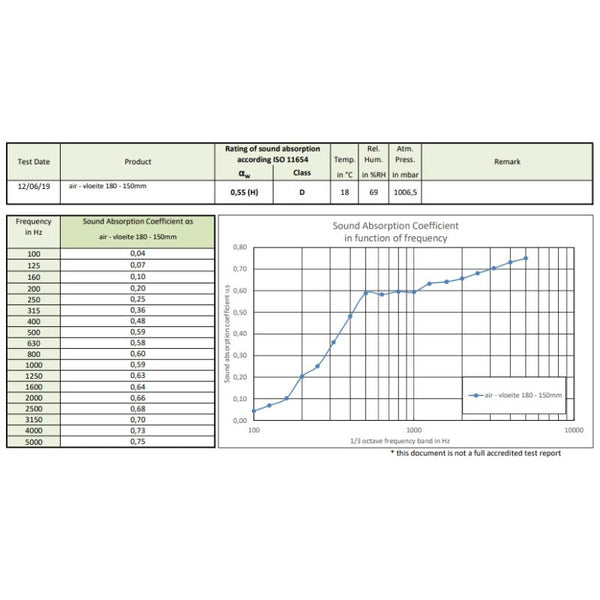
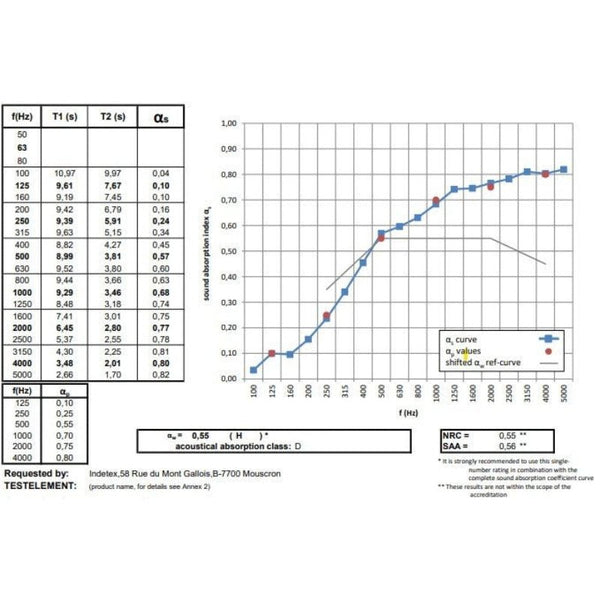
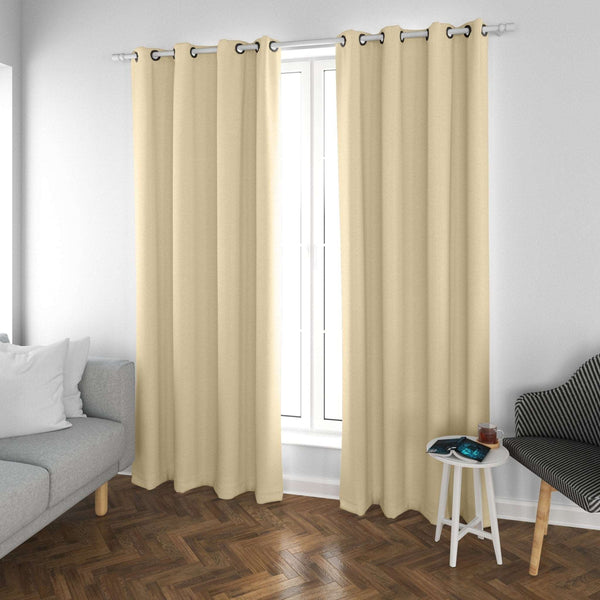
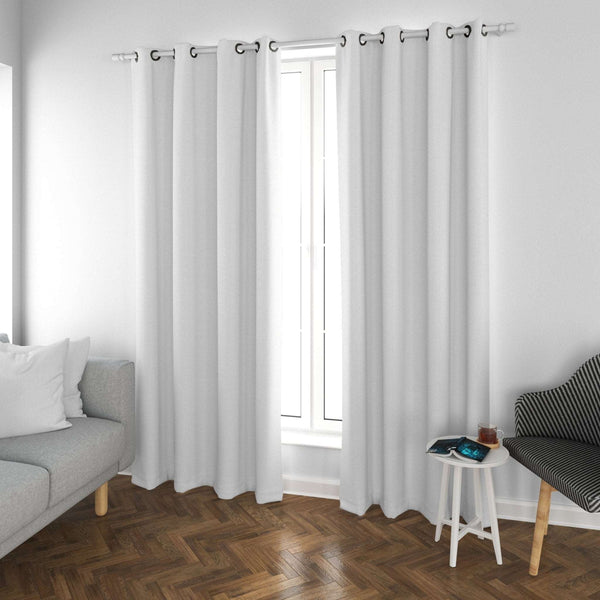
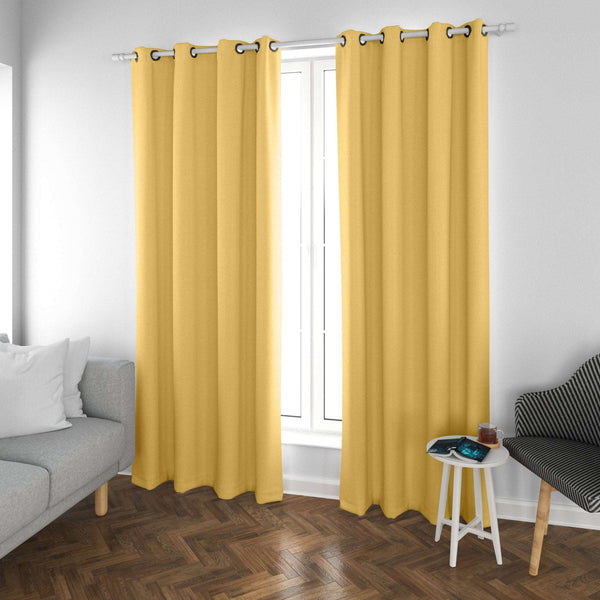
Our noise-reduction curtains are made from microfilament textiles with amazing acoustic properties. They actively combat noise. In fact, they contribute to the creation of a calm environment. For example, they can be installed in front of bedroom or office doors.
Energy efficiency
Our acoustic curtains don't just soundproof doors. They also have exceptional thermal properties. By installing them in your home, you'll be protected from excessive heat in summer and cold in winter.
Sustainability
Our products are designed to last, because we use high-quality materials in their manufacture. This makes them a worthwhile investment.
Tips for efficient installation
Here are a few tips for installing your soundproof curtains the right way:
- choose the right size: your curtains must match the dimensions of your door:
- Opt for thick materials: heavy curtains guarantee better soundproofing;
- install hole covers: if the installation requires holes to be drilled, remember to cover them to prevent sound leakage;
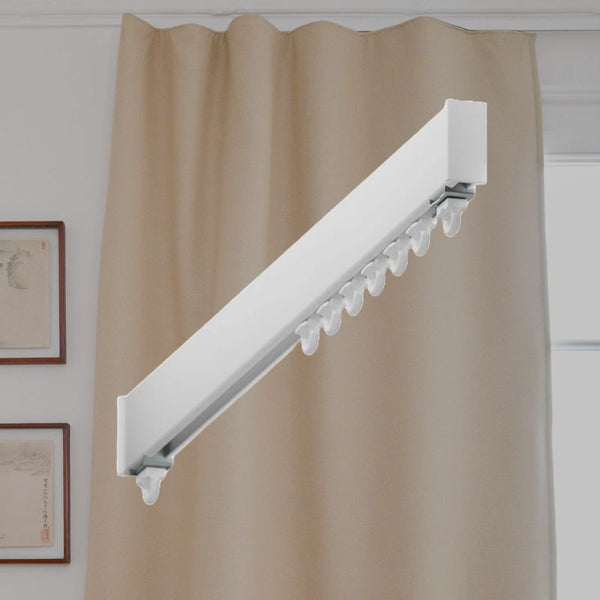
- use sturdy fasteners: especially if the soundproof curtains are thick.
A well-insulated door thanks to Nokomis products
For optimal sound sound insulation , choose our soundproof curtains. Visit our website Nokomis to explore our offers and learn more about our product line. We offer sheer curtains, satin curtains, and woven curtains to help you combat noise pollution. Thanks to our unique expertise and innovative technologies, we can provide you with high-performance solutions to improve your acoustic and thermal comfort.