Soundproofing a home depends on choosing the right materials for each room. Poor sound sound insulation s can turn a home into a noisy and uncomfortable space. Reducing noise pollution helps improve well-being and quality of life. Certain materials stand out for their ability to absorb, diffuse, or block noise.
The Highest-Performance Materials fromsound insulation
The effectiveness of thesound insulation depends on the properties of the materials used. Some provide optimal absorption of airborne noise, while others reduce impact noise.
Cellular concrete
Thanks to its porous structure, aerated concrete absorbs some sound waves, which reduces resonance in enclosed spaces. This material is often used for interior partitions, providing effective sound sound insulation , and thermal insulation. When combined with other high-performance insulation materials, it is possible to achieve optimal sound, particularly in environments where sound reverberation is a significant problem.
Rock wool and glass wool
Rock wool and glass wool are among the most common types of insulation. Their fibrous structure traps sound waves, thereby limiting noise transmission. In addition to their thermal performance, these materials provide effective sound sound insulation . When installed in walls, ceilings, and floors, they reduce echoes and vibrations.
Expanded cork
This natural, environmentally-friendly material boasts excellent sound absorption properties. Its density reduces impact noise and attenuates sound propagation. Expanded cork is particularly suitable for walls, floors and ceilings. It is also appreciated for its durability and renewable origin.
Other ways to improve thesound insulation
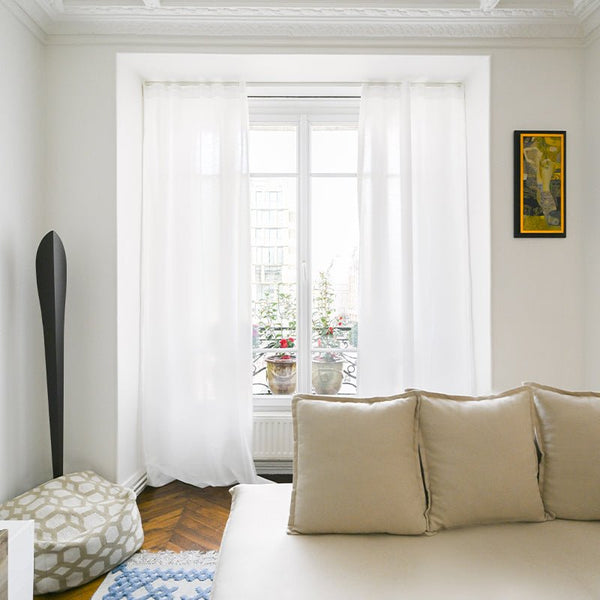
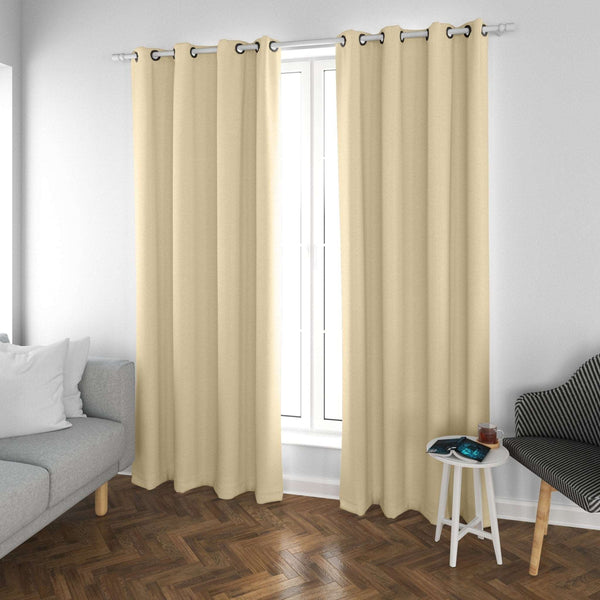
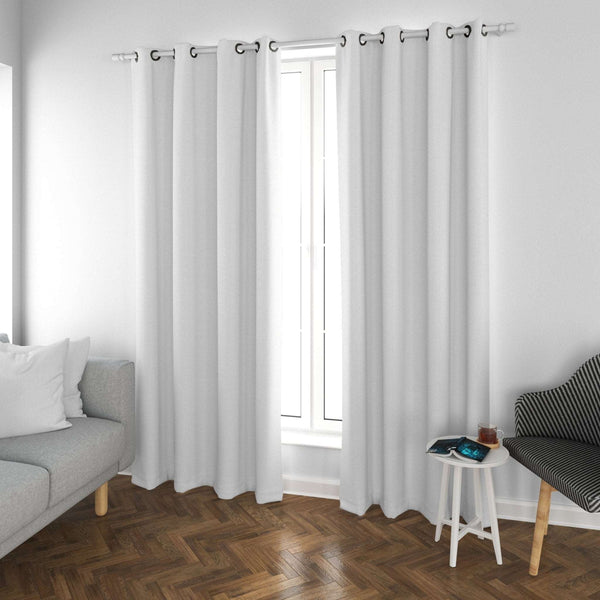
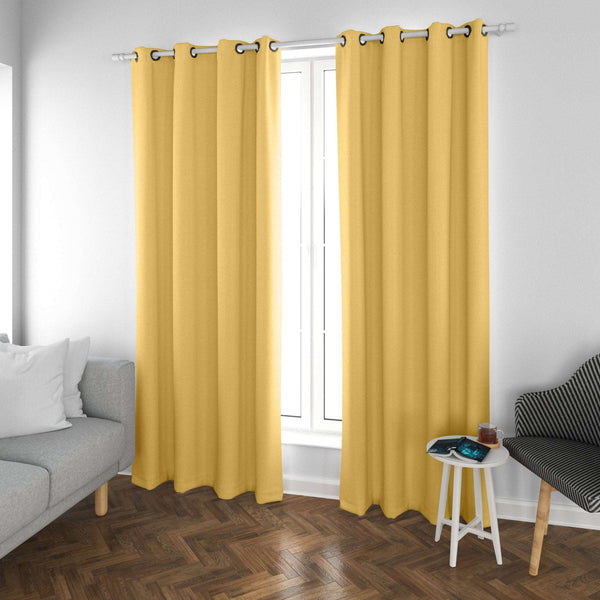
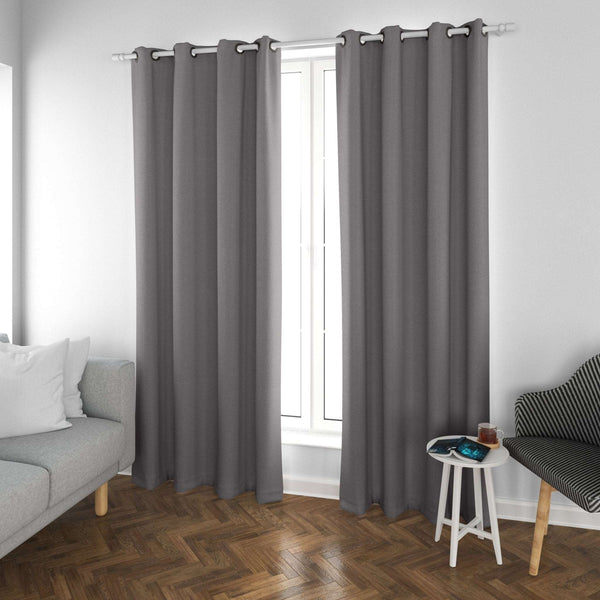
In addition to the materials mentioned, other solutions can enhance sound absorption and limit the spread of noise pollution. For example, installing a soundsoundproof curtain , and thermal barrier in front of windows or doors effectively helps reduce outdoor noise and also improves the thermal insulation of rooms. Similarly, combining different types of insulation can optimize overall performance and meet the specific requirements of each space.
Comparative table of acoustic performance of materials
| Material | Attenuated noise type | Key benefits | Recommended use |
|---|---|---|---|
| Rock wool | Aerial and impact | Excellent absorption at an affordable price | Walls, ceilings, floors |
| Expanded cork | Aerial and impact | Ecological, durable and high-performance | Walls, floors |
| Cellular concrete | Aerial | Resistant and thermally insulating | Interior partitions |
| Wooden panels | Aerial and reverberation | Aesthetic and high-performance | Wall coverings |
| Noise protection curtains | Aerial | Easy to install and efficient | Windows and doors |
Which materials to choose for each room?
Acoustic insulation must be adapted to the use of each space. A bedroom needs a quiet atmosphere, while a living room requires a balance between comfort and noise absorption.
The room
A well-insulated bedroom ensures quality sleep. The addition of soundproof curtains, acoustic foam panels and reinforced wall insulation limits the penetration of outside sounds. Materials such as rock wool and expanded cork are particularly suitable for walls and partitions.
Combine several solutions for maximum efficiency
For optimum sound insulation, we recommend combining different solutions. For example, combining sound-absorbing curtains with rock wool or expanded cork wall insulation maximizes sound absorption. This approach is particularly effective in bedrooms and offices, where quiet is essential.
The living room and dining room
These living spaces are often subject to strong sound resonance. Installing thick carpets, soundproof plasterboard partitions and insulating curtains effectively reduces the propagation of noise. Wood and sound-absorbing panels also contribute to better acoustics by limiting echoes.
The Importance of Soundproof Curtains in thesound insulation
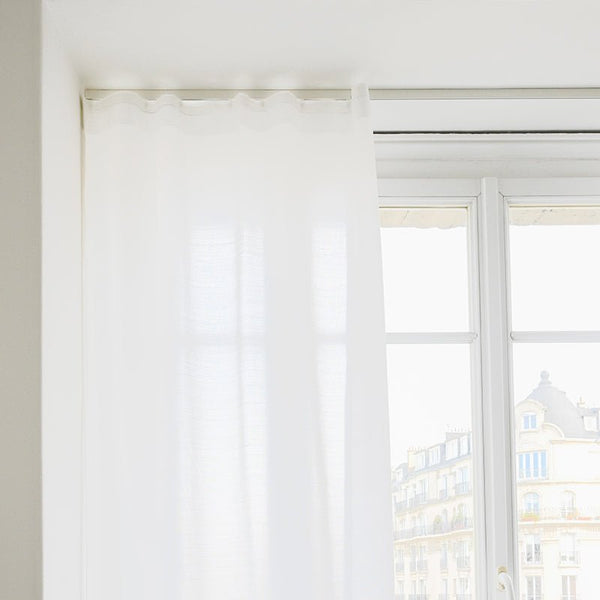
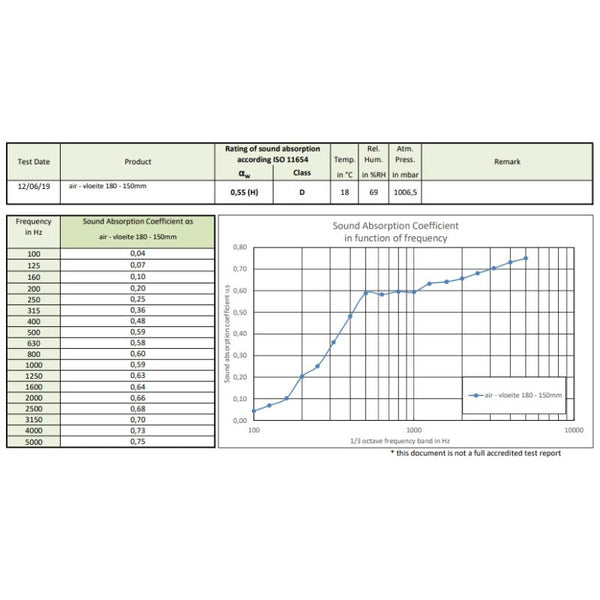
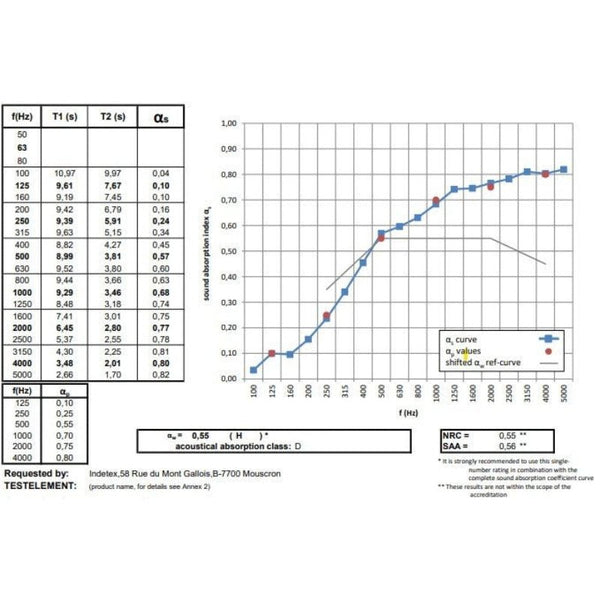
Acoustic curtains are a simple, effective solution for improving the acoustic comfort of an interior. Composed of several layers of thick fabric, they absorb a large proportion of external noise. In addition to their acoustic properties, these curtains provide additional thermal insulation, reducing heat loss in winter. Their rapid installation makes them an interesting alternative for improving comfort without the need for major works.
Nokomis an innovative player in acoustic insulation
Since 2013, Nokomis establishedNokomis as a leader in noise-reducing curtains. Convinced that silence is essential to well-being, the company designs effective solutions to limit noise pollution.
Innovation is at the heart of our approach. Each product combines aesthetics and acoustic efficiency, meeting the needs of both private individuals and professionals. French manufacturing and the use of environmentally-friendly materials guarantee a responsible approach.
A range of high-performance products
Nokomis several solutions tailored to the requirements of each interior:
- Performance PLUS" soundproofing curtain: Attenuates up to 30 dB, with thermal insulation from 6 to 8°C. Ideal for bedrooms.
- Performance" noise-reduction curtain: Reduces noise by 19.7 dB while adding a touch of elegance.
- Confort" noise-reduction curtain: 12 dB sound reduction and sophisticated design.
- Acoustic curtains: Absorb five times more noise than conventional curtains, while still letting light through.
A commitment to quality and the environment
The company focuses on environmentally friendly materials and local manufacturing to minimize its carbon footprint. Its goal is to offer acoustic solutions that combine performance and sustainability. Thanks to its expertise, Nokomis the comfort of living spaces while addressing environmental issues.
Towards a quieter home
Acoustic insulation relies on high-performance materials that are tailored to each room. Solutions such as rock wool, expanded cork, and soundproof curtains help create a peaceful environment. With its innovative and responsible approach, Nokomis has established itself as a benchmark for effectively reducing noise pollution while preserving the comfort and aesthetics of interiors.