Silence at Home
- The nervous system's alarm response: The brain interprets disturbances as threats, thereby keeping the body in a constant state of stress.
- Letting go: Neutral observation of sounds separates the physical event from the usual angry reaction.
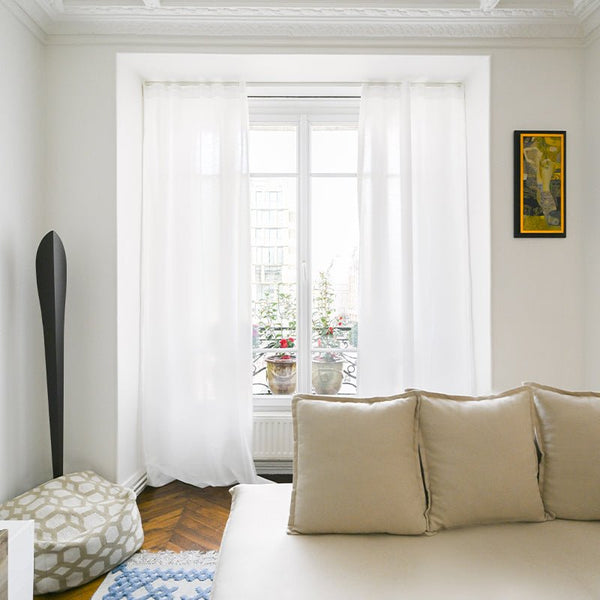
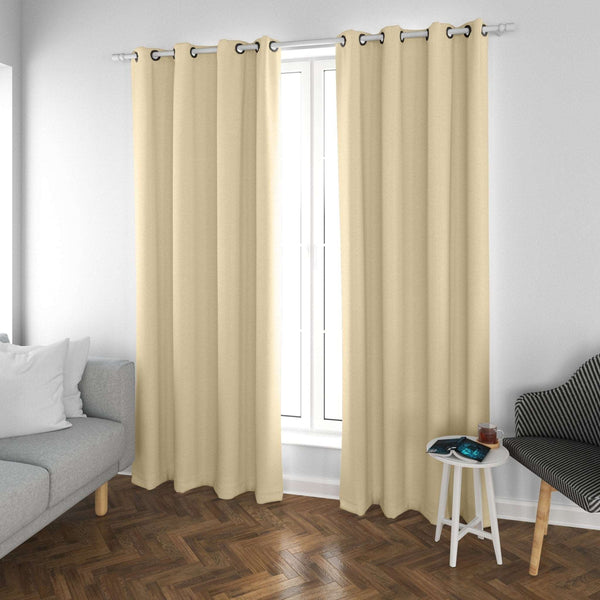
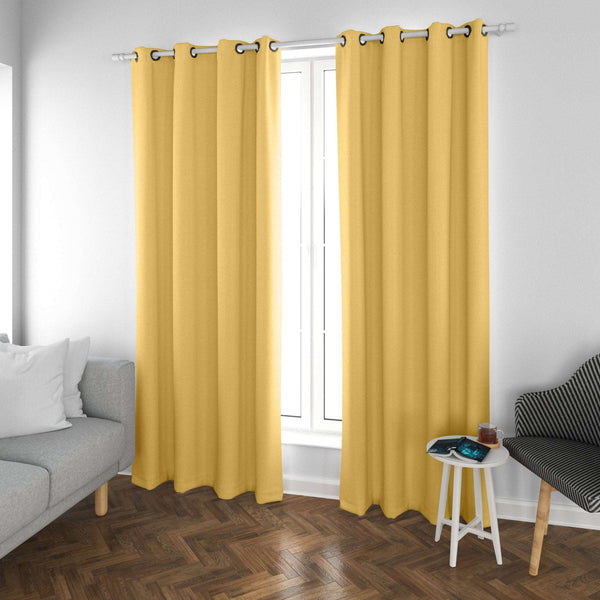
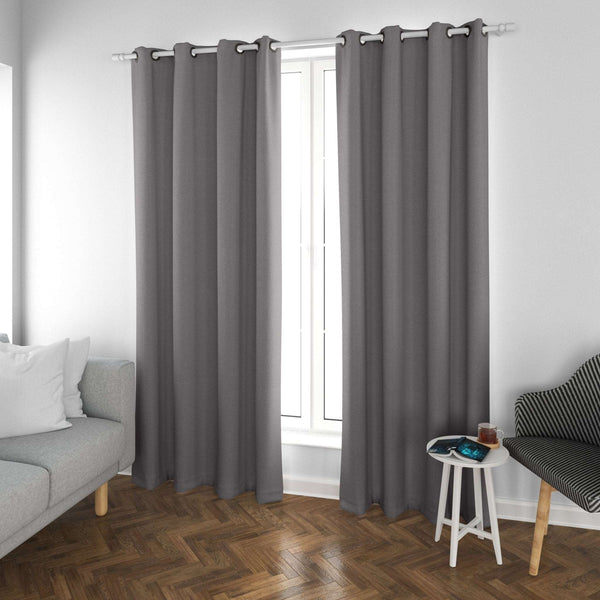
- Acoustic comfort: Adding thick curtains or heavy furniture creates a physical barrier to help maintain the newly found tranquility.
The Psychology of Auditory Hypervigilance
The human brain interprets sudden sounds as potential threats to your immediate safety. This physiological reaction activates the sympathetic nervous system and keeps your body in a constant state of alert. You then fall into a vicious cycle where your mind unconsciously anticipates the next sudden sound. Recognizing this natural mechanism helps you let go of guilt and begin effectively retraining your attention. Be careful—at curtain height, this can have a real impact.
- 1/ The alarm signal: Your nervous system interprets every sound as a threat, which prevents you from truly relaxing.
- 2/ Anxious anticipation: Hypervigilance causes you to watch for the next disturbance, thereby heightening the sensitivity of your auditory cortex.
- 3/ Misophonia: This specific intolerance to certain repetitive sounds sometimes requires treatment by healthcare professionals.

Mindfulness and Auditory Detachment
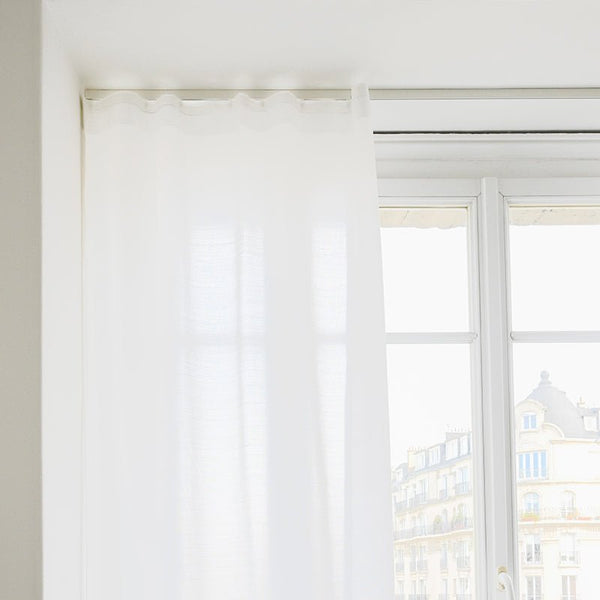
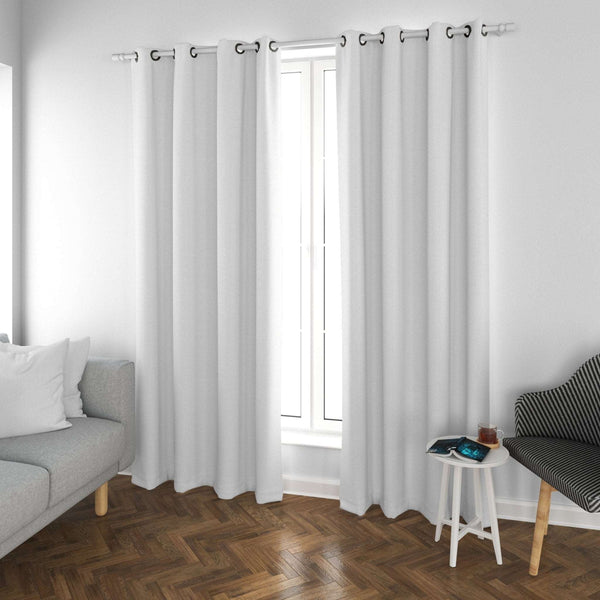
The practice of meditation helps you observe noise as a simple physical occurrence devoid of intent. You learn to separate the sound from the anger it usually triggers by focusing on the present moment. This neutrality reduces stress because the brain stops processing the disturbance as a personal attack. Diaphragmatic breathing exercises help reduce nervous tension as soon as an unexpected noise occurs in your environment. Installing soundproof curtains can also help embody this desire for protection, though they don’t guarantee complete silence.
Cognitive Therapy and Emotional Management
Cognitive-behavioral therapy targets the automatic thoughts that arise when your neighbor moves a piece of furniture. You learn to change your perception of the noise by putting a stop to catastrophic scenarios about the annoyance to come. This mental restructuring stops hypervigilance by restoring the sound to its proper place as insignificant background noise. Sophrologists offer visualization exercises to release muscle tension that has built up during periods of noise disturbance. Progressive desensitization reduces the long-term emotional impact of the frequencies that are most irritating to your nervous system.
| Method | Frequencies Covered | Expected Result |
| Mindfulness | All frequencies | Emotional Detachment |
| CBT | Repetitive noises | The End of the Obsession |
| White noise | Average Frequencies | Voice Masking |
| Sophrology | Impact Noises | Muscle Relaxation |
Once the mind is at peace, the physical layout of the home becomes an indispensable ally in maintaining lasting inner calm.
Technical Measures to Reduce Noise
Absolute silence is an illusion that paradoxically amplifies even the slightest residual noise perceived by the ear. You’ll achieve better results by increasing the density of your walls with solid furniture such as bookcases. Lightweight soundproofing—such as adding thick rugs or wall hangings—reduces reverberation in rooms that are too sparse. These structural changes disrupt the propagation of sound waves and create a calmer overall atmosphere in your home.
White Noise for a Balanced Environment
A constant stream of sound helps smooth out the acoustic peaks that interrupt your sleep or work sessions. White noise masks the frequencies of conversations or light footsteps in a very consistent manner. Mobile apps or dedicated generators offer a simple solution for stabilizing your immediate sound environment. This technique promotes calm concentration by preventing your brain from focusing on sudden noise bursts.
Active Noise Cancellation and Audio Equipment
Active noise-canceling technology cancels out low-frequency sounds using a phase-canceling system. High-end headphones completely block out distractions during your reading sessions or business calls. Passive hearing protection remains a reliable option for shielding your nights from unpredictable neighborhood noise. Choose your equipment based on the type of sounds that disrupt your daily peace and quiet.
- 1/ Sound masking: Playing neutral background sounds helps the brain ignore household background noise.
- 2/ Thesound insulation: Carpets and heavy furniture absorb the mechanical vibrations transmitted through the floor.
- 3/ ANC technology: Active headphones filter out continuous noise to create an instant bubble of calm.
By choosing expert acoustic solutions, you can radically transform your comfort without compromising on aesthetics.

Nokomis Solutions Nokomis Quiet
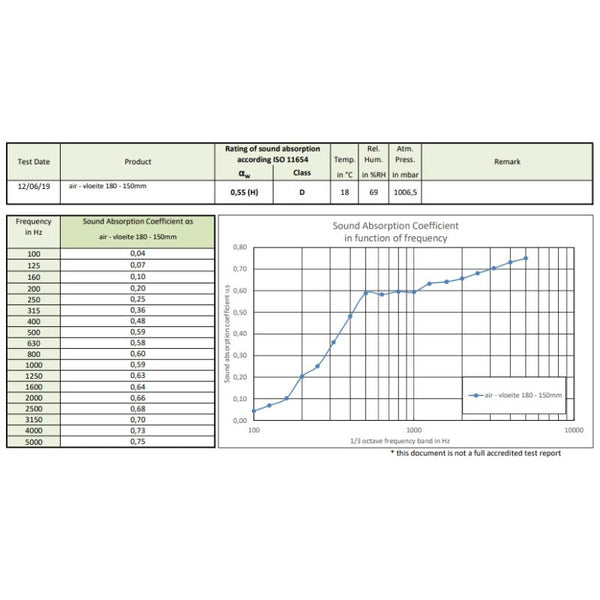
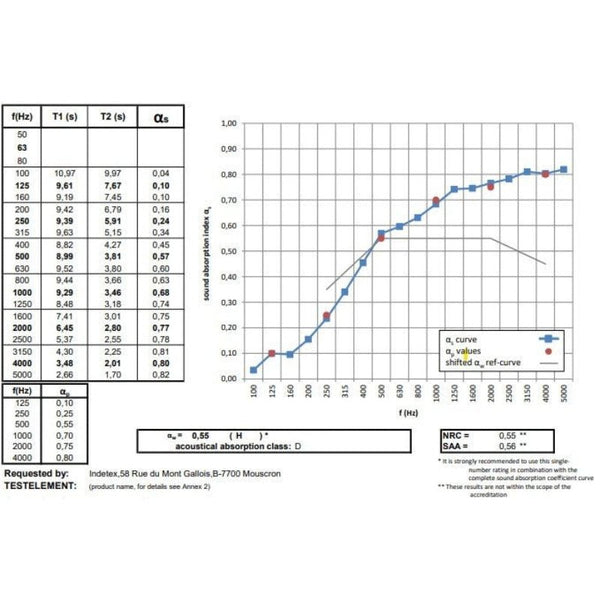
Nokomis expertise Nokomis your daily well-being by offering high-performance solutions to restore peace and quiet. The brand’s curtains reduce noise pollution by up to 30 dB and act as a protective acoustic shield. These products are made from eco-friendly materials and are carefully crafted in France to satisfy even the most discerning users. You’ll find acoustic sheers to preserve natural light or heavy-duty fabrics for a restful night’s sleep. Nokomis technical innovation with elegant design to ensure your indoor comfort. This unique and sustainable expertise allows you to finally rediscover the joy of living in a peaceful environment.