In short
It is possible to insulate a window against the cold without replacing it, and it’s often very effective when you use the right products in the right order.
- Single-pane windows account for up to 15% of a home’s total heat loss (source: HomeServe France)
- Heat-shrinkable films, weatherstripping, and secondary glazing do not offer the same performance or come at the same price
- Tenants and homeowners do not have the same rights when it comes to window insulation work
To insulate a window against the cold without replacing it, there are three main types of solutions: insulating films applied to the glass, weatherstripping on the window sashes, and interior secondary glazing attached to the frame. Each addresses a different issue. Before rushing to the home improvement aisle, you need to know exactly which problem you’re trying to fix. Because the solution is completely different for an old, poorly sealed single-pane window versus an aging double-pane window whose gas seal has deteriorated. We’ve sorted it all out for you. You could even use a simple thermal curtain and soundproofing solution.

The Sheet of Paper Test: How to Diagnose a Poorly Insulated Window Yourself Before Taking Action
Slide a sheet of paper between the frame and the sash, close the window, and pull. If the paper slides out without any resistance, the seal is really poor. This basic test reveals the condition of the seals much better than a quick glance. ADEME recommends this quick check before investing in window insulation solutions, to avoid spending money on the wrong thing. Furthermore,thermal curtains have long been proven tobe effective in this regard.
Why isn't condensation on the windows the only sign to watch for?
Condensation is often the first thing you notice on windows in the winter. But it doesn’t necessarily indicate poor thermal insulation; rather, it reflects a temperature difference between the surface of the glass and the surrounding air, which can happen even with new double-pane windows in a humid room. The real sign to watch for is a sensation of radiant cold 50 cm from the window without feeling a draft. That’s the cold wall effect.
The cold wall effect: this invisible phenomenon that cools your room without any apparent draft
A cold surface radiates cold toward nearby warmer objects—that’s basic thermal physics. A single-pane window can easily reach 5 to 8°C on the inside during freezing weather, and your body feels it from a distance through radiative exchange, even if the window is tightly closed. The thermal insulation provided by the glazing reduces this effect—it’s not just about preventing air leaks. That’s why a low-emissivity insulating film improves comfort far beyond what simple caulking can achieve.
Single-pane or aging double-pane windows: How can you tell which one loses the most heat?
Standard single-pane glass has a Uw value of around 5 W/m².K. Double-pane glass from the 1990s with an air space not filled with argon gas ranges from 2.8 to 3.2 W/m².K. Modern double-pane glass filled with argon gas drops to 1.1 W/m².K. The difference between older windows and newer ones is therefore massive. Before taking any action, measure the interior surface temperature of your window with a €5 laser thermometer: if it’s below 14°C in cold weather, the glazing is clearly inadequate.
Insulating a window against the cold without replacing it: the true ranking based on measured thermal efficiency
Let's stop with the guesswork. Here's what the measurements actually show, ranked from least effective to most effective for existing windows.
Heat-shrinkable insulating film or window-covering film: the differences no one explains to you
Heat-shrink film—the kind you stretch over a window with a hair dryer—creates a layer of still air between the glass and the film. This layer reduces heat transfer by convection. Window film, on the other hand, is a PET (polyethylene terephthalate) film with a low-emissivity coating applied to one side; it acts directly on infrared radiation. Result: The low-emissivity film reduces heat loss from a single-pane window by approximately 30 to 40 percent, according to manufacturers’ data measured in the laboratory, compared to 15 to 20 percent for a standard heat-shrinkable film.
Self-adhesive foam gasket, silicone gasket, weatherstrip: Which one should you choose based on the type of window or door?
The self-adhesive EPDM foam gasket is suitable for casement windows with a gap of 3 to 6 mm. If the gap is less than 3 mm, the gasket compresses too much and prevents the sash from closing properly. The spray-applied silicone sealant is used on fixed frames, window frames, and the joints between the frame and the wall—not on movable sashes. Brush or blade weatherstripping is suitable for sliding windows and French doors. Using the wrong type of weatherstripping on the wrong type of window is a surefire way to have to redo the entire job in six months.
Thermal curtains and insulating blinds: a complementary solution, but not sufficient on its own
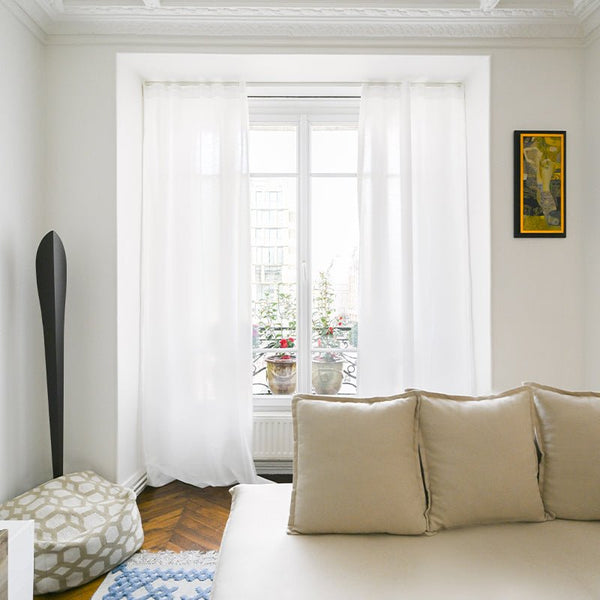
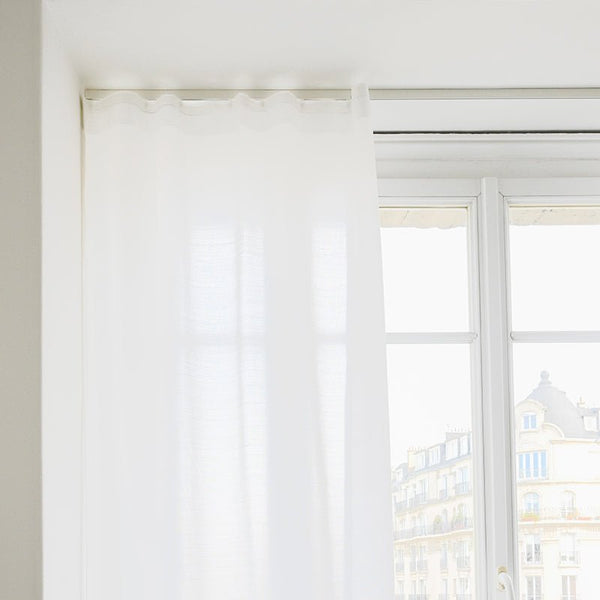
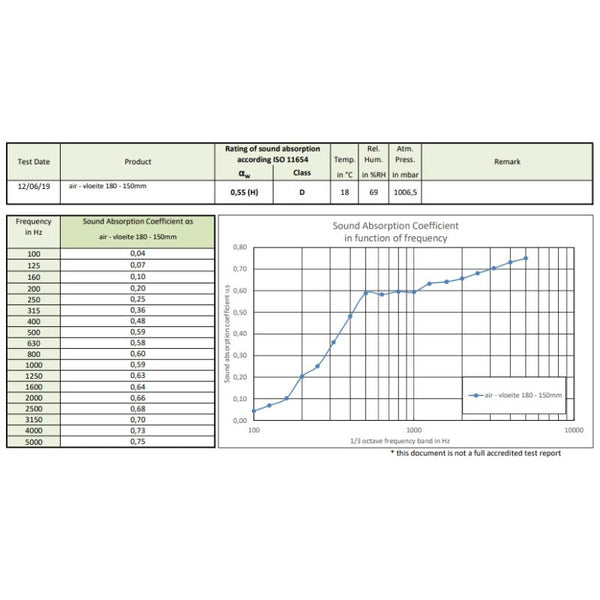
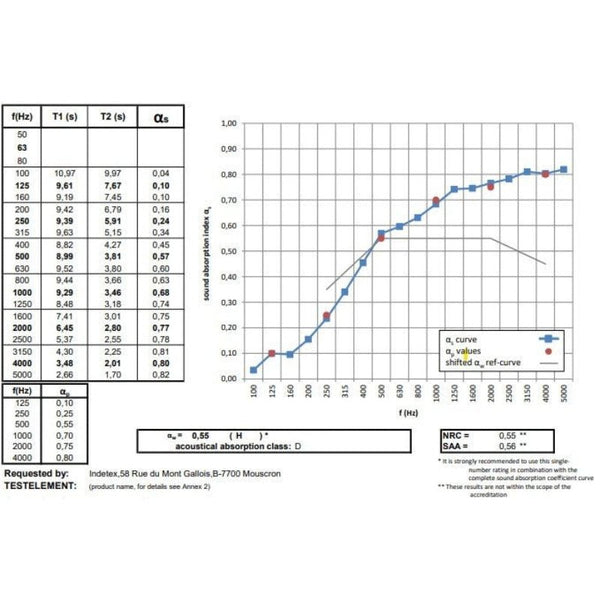
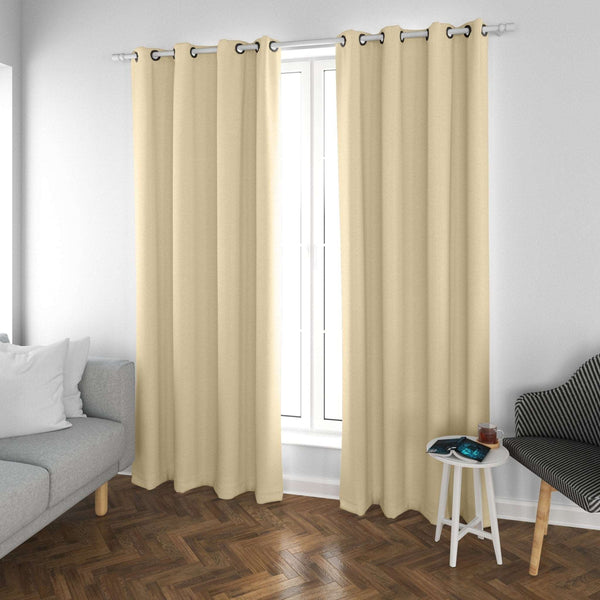
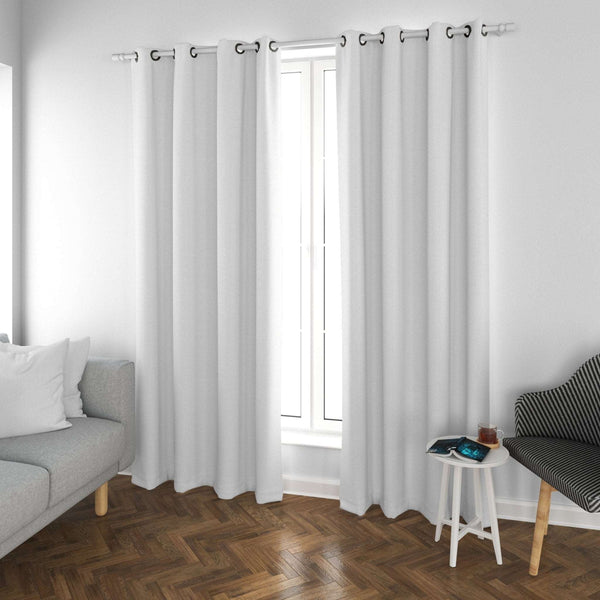
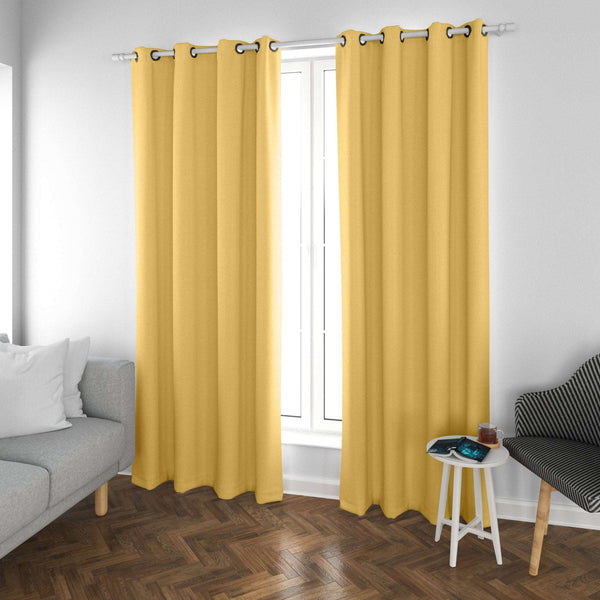
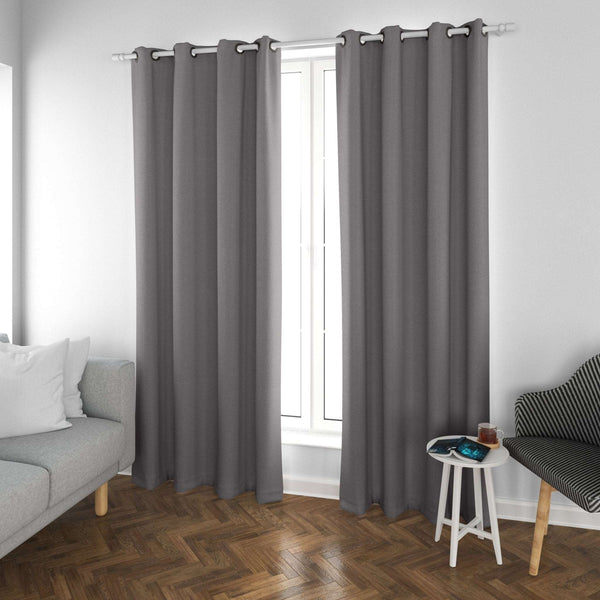
We’re often asked whether thermal curtains are enough to insulate against the cold. No. A fleece- or polyester-lined thermal curtain reduces the sensation of radiant cold and limits convective drafts along the window, but it doesn’t address heat loss through the window itself. Nokomis, for example, combine thermal mass and sound absorption, which improves the room’s overall comfort while reducing outside noise. This offers real added value—provided you don’t stop there when it comes to cold insulation.
- Easy-to-install thermal curtains
- No permit required, even for rentals
- Dual thermal and acoustic benefits with the right models
- Partially effective in reducing heat loss through the windows
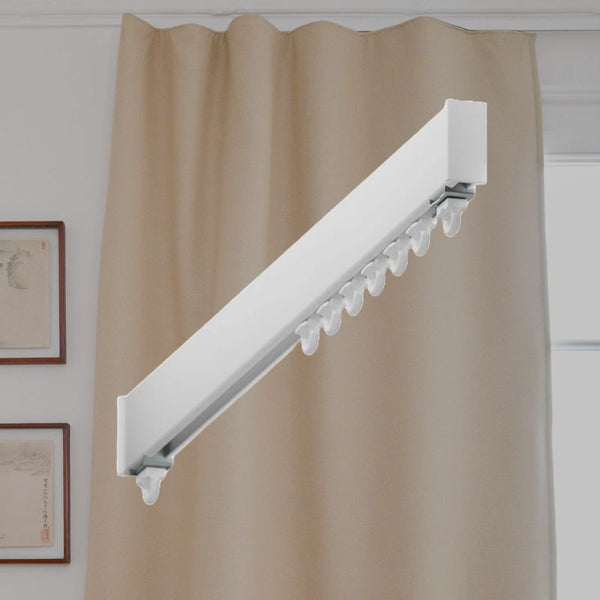
- Results depend on the installation (Track ceiling required)
- Pair with gaskets or film for maximum impact
Old, single-pane windows: What’s really the best way to insulate them?
Interior Secondary Glazing Installed on the Existing Frame: Actual Performance and Limitations
Interior secondary glazing involves installing an additional pane of glass over the existing frame, creating an air gap of 20 to 30 mm. According to ADEME data, this solution achieves Uw values of 1.6 to 2.2 W/m².K on older single-pane windows. That’s significant. The main limitation: on very old wooden window frames that are warped or saturated with moisture, the adhesive does not bond sufficiently, and thermal bridges remain at the corners. An assessment of the frame is necessary before placing an order.
The New High-Tech, Bubble-Wrap-Like Transparent Insulation: What the Research Says
Recent studies published in the specialized press (NeozOne, reporting on research from materials laboratories) describe a transparent, multilayer insulator structured like high-tech bubble wrap: micro-air chambers trapped between layers of transparent, low-emissivity polymer. Initial measurements under real-world conditions indicate a greater reduction in heat loss than that achieved by conventional films, with the added benefit of maintaining light transmission. The product is not yet widely available in France, but it represents the natural evolution of current window films.
Comparison Table: Cost, Uw Value, Installation Time, and Durability for Each Solution (No Substitutes)
| Solution | Average cost | Estimated Uw value | Installation time | Durability |
|---|---|---|---|---|
| EPDM foam gasket | €5 to €15 | Variable (addresses air leaks) | 30 min | 3 to 5 years |
| Heat-shrinkable film | €10 to €25 | Partial improvement | 45 min | 1 season |
| Low-E Window Film | €15 to €45 | 30–40% discount | 1 hour | 5 to 10 years |
| Interior secondary glazing | €100 to €350 | 1.6 to 2.2 W/m².K | 2 to 4 hours | 10 to 20 years |
Landlords and tenants: The rules of the game are not the same
What a tenant can install without the landlord's permission
A tenant is free to install weatherstripping, window insulation film, thermal curtains, and brush weatherstrips—anything that can be removed without leaving a trace. These measures fall under routine maintenance and do not require written approval from the landlord. Secondary glazing glued to the window frame falls into a gray area: while technically reversible, it alters the interior appearance of the window, and some landlords consider it a structural alteration. A prior written agreement helps avoid any disputes when the tenant moves out.
Window insulation work that requires written approval
The complete replacement of window and door frames, the installation of double-pane glass to replace existing single-pane glass, or the installation of a fixed, screw-mounted secondary window requires the landlord’s written consent. In a condominium, work affecting the exterior (exterior glazing, roller shutters visible from the outside) is subject to the local urban planning regulations (PLU) and may require prior notification to city hall. Ignoring these rules may result in the tenant being required to restore the property at their own expense or in a refusal to renew the lease.
Replacing Your Windows: Revised Financial Assistance Programs That Change the Equation
Discounted amounts by household type and geographic area
MaPrimeRénov provides funding for the replacement of single-pane windows with high-performance windows. The amounts vary depending on the household’s income profile: households with very low incomes receive up to €100 per window in CEE assistance combined with MaPrimeRénov, compared to €40 to €60 for households with moderate incomes. The geographic zone (H1, H2, H3) influences the calculation of the required energy performance but does not directly affect the amount of the grant. Obtaining a quote from an RGE-certified contractor is the first step, as the grant amounts are revised regularly.
Renovating an old window is like replacing the washers on a leaky faucet: until you know exactly where the leak is, you're throwing money out the window—in every sense of the word.
Double-pane or triple-pane windows: at what point does the additional cost pay for itself in heating bills?
Triple-pane windows have a Uw value of 0.6 to 0.8 W/m².K, compared to 1.0 to 1.1 W/m².K for a modern double-pane window filled with argon gas. The difference in performance is real but modest. The additional cost of triple-pane windows compared to double-pane windows of equivalent quality is 30 to 50 percent at the time of purchase. For homes in Zone H1 (northeastern France, mountainous areas) with electric heating, the payback period is 12 to 15 years. In Zone H3 and with gas heating, triple-pane windows generally do not pay for themselves over the lifespan of the windows.

Insulating Your Windows Against the Cold: Where to Really Start
Let’s take stock. Before making any purchase, the “sheet of paper” test and the laser thermometer measurement cost nothing and point you directly toward the right solution for insulating a cold window. If the seals are leaking, start with the seals. If the glass is cold and radiates heat, install a low-emissivity film. And if both are faulty, you might as well start at the bottom of the ladder before considering a complete replacement with the available financial assistance.
FAQ
What is the best way to insulate a single-pane window against the cold?
Interior window shading installed over the existing frame remains the most effective solution for a single-pane window, with a Uw value that can drop as low as 1.6 W/m².K, according to ADEME. For a tighter budget, a low-emissivity window film reduces heat loss by 30 to 40 percent for less than 45 euros, and can be installed in an hour without any special tools.
What is the best thermal insulation for windows?
For glazing, low-emissivity film (PET type with a metallic coating) outperforms conventional heat-shrink film thanks to its effect on infrared radiation. To address air leaks around window frames, self-adhesive EPDM sealant on the sashes and spray-applied silicone sealant on the fixed frames form the most effective combination. One without the other addresses only part of the problem.
How can you keep the cold from coming in through the windows?
Three practical steps: check for drafts using a sheet of paper, replace faulty weatherstripping as soon as the cold weather sets in, and apply insulating film to windows whose interior surface drops below 14°C as measured by a laser thermometer. A properly installed baseboard thermal curtain that extends all the way to the floor completes the system by limiting cold convection along the window at night.