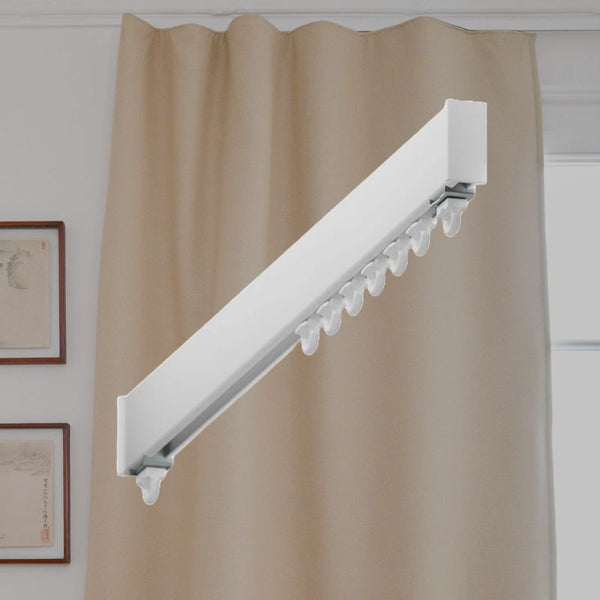
thermal curtain s act as a barrier against the cold and are a true ally for thermal insulation. They help regulate the temperature inside the home and are indispensable in both summer and winter. What’s more, they offer numerous benefits. So, how does a thermal curtain work? Learn about how it works in this practical guide.
Introduction to thermal curtains
Definition of thermal curtains and their specific design
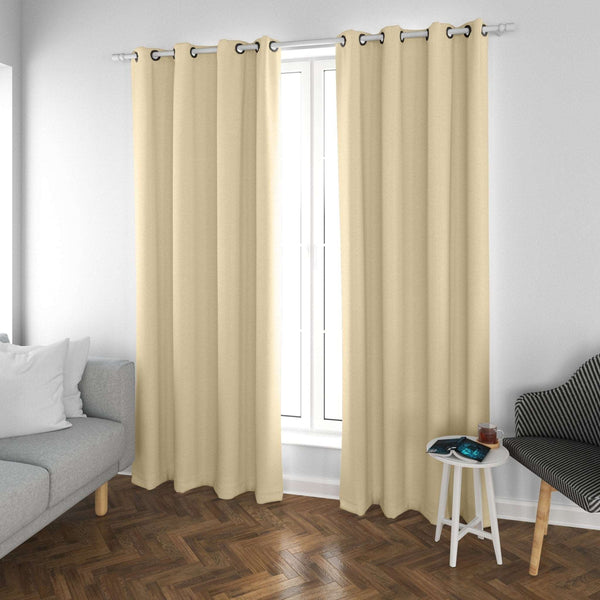
Thecold- and heat-resistantthermal curtain is an insulating curtain designed toreduce heat loss andblock drafts. This product is very useful in front of doors, French doors, and picture windows. It features a thermal lining made of wool, PVC, polyester, or PET, which is designed toblock out the cold.
The main benefits
thermal curtain ing offers two main benefits. First, it helpssave energy by reducing the use of heating and air conditioning. Second, itimproves thermal comfortin the home by maintaining a constant indoor temperature, regardless of the season. Note that to take full advantage of these benefits, it is important to use anefficientthermal curtain .
How a thermal curtain
In practice, how does a " thermal curtain " work? Here are the key principles you need to know:
Materials used to manufacture thermal curtains
Several materials are used to manufacture thermal curtains:
- insulating fabrics: wool, fleece, thick cotton and velvet;
- synthetic thermal fabrics: aluminum and polyester;
- reflective linings: glued to conventional curtains to reduce heat and light.
How do these materials contribute to thermal insulation?
Insulation materials contribute to thermal insulation in two ways. First, they prevent heat from escaping through windows or gaps, which helps to heat the room. In addition, they block drafts from outside and protect the occupants of a house from the cold in winter. They also filter sunlight in the summer. In this way, they regulate the indoor temperature all year round.
Advantages of thermal curtains
We've answered the question: How does a thermal curtain work? Now, let's take a look at the benefits of this accessory.
Detailed benefits analysis
Thermal curtains have many advantages, but they are best known for their thermal function. Thanks to their thickness and special design, they form a protective barrier against the cold of winter. Not only do they limit heat loss, they also stop draughts that can affect thermal comfort. They are also indispensable in summer, as they keep the interior cool. Some models can even be blacked out to keep out the sun's rays.
Impact on reducing energy consumption and heating and cooling costs
By maintaining a comfortable indoor temperature in both summer and winter, the thermal curtain can reduce the need for heating and air conditioning. This automatic temperature control helps lower energy consumption. In addition, it minimizes the home’s carbon footprint.
Choosing the Right One thermal curtain
Of course, it’s important to understand how a thermal curtain works; however, to take full advantage of its many benefits, it’s also crucial to choose the right one.
Factors to Consider When Purchasing the thermal curtain
To make the right choice of thermal insulation curtains, consider the following criteria:
- the material: some are more insulating than others. For example, velvet and fleece are among the best options;
- fabric thickness: thicker fabrics provide better insulation;
- the type of lining: opt for a fabric with a reflective thermal lining to effectively block draughts;
- dimensions: make sure they match those of your windows or bay windows;
- Aesthetics: choose a curtain that you like visually and whose style matches your interior design.
Tips for selecting a curtain to suit the size and type of window
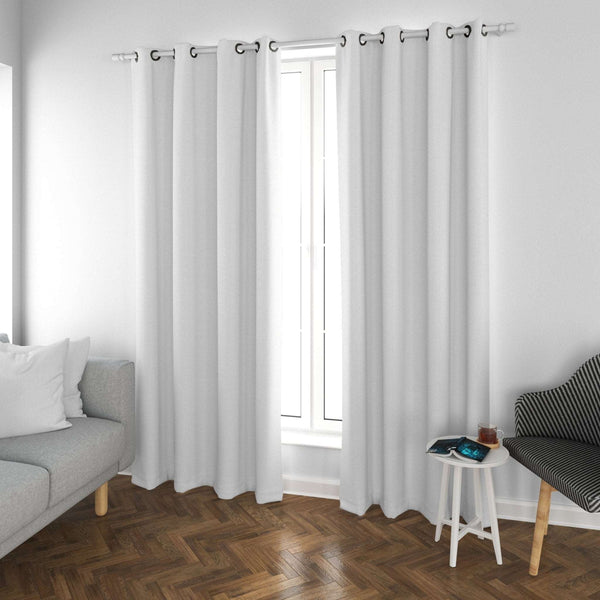
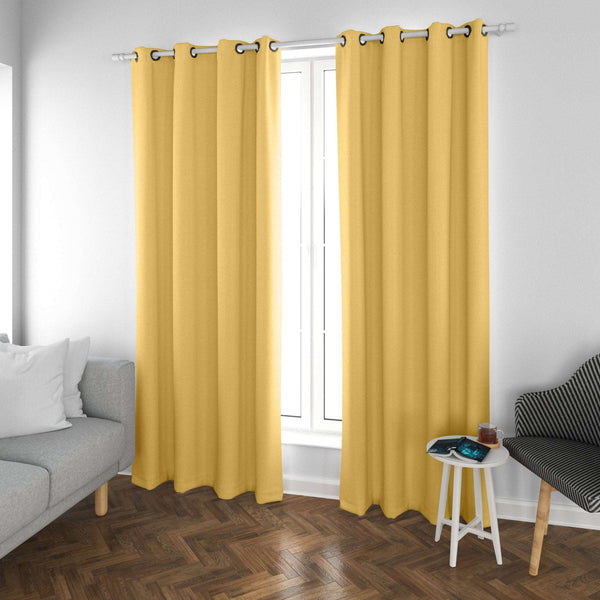
To choose a thermal curtain that fits your window, measure its width. The Curtain pole should extend about 20 cm beyond each side. The length of the curtains should be twice that of the Curtain pole to create abeautiful pleated effect. Note that this is what helps optimize thermal and sound insulation. Also, consider the type of window. For casement windows, sheer curtains and voile are suitable because they let light through. On the other hand, if you have floor-to-ceiling windows, grommet curtains are recommended because they are easy to install, open, and close.
Installation and maintenance
Step-by-step guide to the correct installation of thermal curtains
To properly install your thermal curtain, start by choosing a suitable model. Next, mark the points where the Curtain pole brackets will be attached using a pencil. They should be located 12 centimeters above the window frame. Then, securely fasten the brackets with screws before hanging the curtain. Make sure the curtain completely covers the window and can be fully extended. By following these steps exactly, you’ll maximize the effectiveness of your thermal curtain.
Maintenance tips to maintain their insulating properties over the long term
It's important to follow the care instructions specific to thermal curtains to maintain their insulating properties over the long term. For example, wool and cotton curtains can be machine-washed at 30°C. PET and polyester curtains, on the other hand, require cold machine washing.
Enhance your interior with thermal curtains from Nokomis
Want to add a decorative touch to your windows while improving your thermal comfort? Choose our insulated curtains. AtNokomis,we offer a wide range of styles to suit all tastes. What's more, our curtains are made from high-quality materials to guarantee their performance and durability.