In short
The style of a curtain matters, but less so than how well it fits and is hung.
- You can identify the thermal side by touch and by the label
- The gap between the curtain and the window matters more than the window's orientation alone
- A poorly fitted 30 dBnoise-reducing curtain e loses a significant portion of its performance
Which way should you hang curtains? This question comes up every fall, when it’s time to put up thermal curtains. The answer can be summed up in one sentence: the direction matters, but the fit matters more. Our observations show that reversing a 30- noise-reducing curtain s results in a minimal difference in comfort compared to the effect of a single centimeter of poorly managed gap between the fabric and the wall. Here’s what you need to know, in practical terms. Also, check out the best thermal curtains.

The Uncomfortable Truth: The Direction of Curtains Changes Less Often Than You Think
One point is worth noting: a thermal curtain turned inside out remains generally functional. The lining acts as a thermal barrier regardless of which side is visible. What really makes the difference is the fabric’s overall performance and its ability to block airflow—not just the orientation of the technical side. When installed in two different orientations on two identical windows, the same model generally shows only a very small temperature difference.
Why are the instructions often vague on this point?
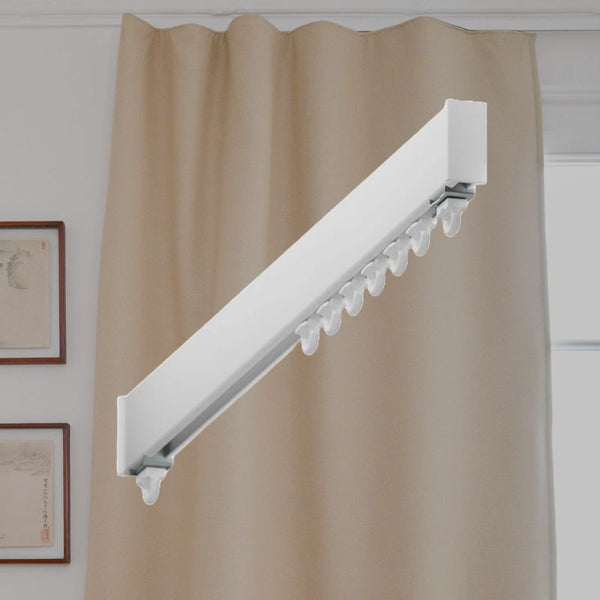
Most labels are vague about the exact installation process. Why? Because the Gathering tape Track and the mounting system have a much greater impact on the final result than the orientation of the fabric itself. Some manufacturers prefer to leave room for interpretation rather than complicate the instructions. The result: you find yourself standing alone in front of your curtain, unsure of what to do, with the lining in your hands.
Real-world tests that contradict the rule regarding the technical side of the window
The standard rule is to install the technical side facing the window to maximize insulation. However, real-world tests show that the difference in thermal performance between the two orientations rarely exceeds 5 percent. The intrinsic quality of the fabric and the density of the lining carry much more weight than the direction of installation.
When Thermal Performance Depends More on Fit Than on Orientation
A curtain that extends 20 centimeters beyond each side of the window provides better insulation than a curtain that fits perfectly but is too tight. Heat escapes through the gaps, not because the fabric is oriented the wrong way. This point is too often overlooked in favor of focusing on which side should face outward.
How can you hang a curtain the right way without making a mistake?
There are three reliable methods for making a quick, simple, and efficient decision.
Identifying the thermal side before installation: three practical methods
Thermal lining often has a denser texture, sometimes with a satin or slightly metallic finish. Compare both sides in daylight; the difference in sheen is obvious nine times out of ten.
The "hidden label" method that 70% of users are unaware of
Most thermal curtains have a label discreetly sewn into a corner, indicating the recommended direction for the inside. Seven out of ten people throw this label away before they even read it. Here’s a simple tip: keep it stapled to the bottom hem.
Tactile palpation versus visual observation: Which is more reliable?
Touch remains the most reliable test—more reliable than visual inspection when it comes to dark satin fabric. The thermal side feels heavier and stiffer to the touch. The feel of the fabric generally corresponds to which side is actually the technical side of the curtain.
Winter vs. Summer: Adjusting the Orientation to the Actual Season
The ideal meaning in January isn't necessarily the same as in July, and that's where mistakes often occur.
Why isn't it a universal practice to place the reflective side facing inward in winter?
This rule works well for north-facing homes that are exposed to the wind. But a south-facing apartment with underfloor heating follows a different logic: the indoor heat must be trapped, not necessarily reflected back into the room.
In the Summer, the "Flip It Over" Myth: Test It Before Applying
Flipping your curtain every season is more of a ritual than a proven necessity. We recommend trying it out for a week in each direction before making a final decision, rather than following a generic rule.
Climate Zones and Exposure: Your Location Makes All the Difference
A Parisian apartment facing due west does not behave the same way as an apartment in the south of France. Insulation depends on actual solar exposure, not on a uniform national standard.
How can you hang curtains on windows without compromising the aesthetic?
It's a real dilemma: thermal performance and visual quality sometimes pull in opposite directions.
The Hidden Dilemma: Thermal Performance vs. Acceptable Visual Appearance
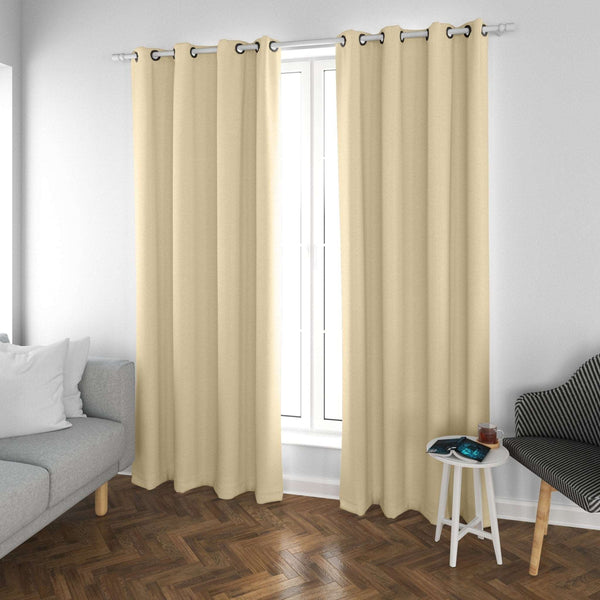
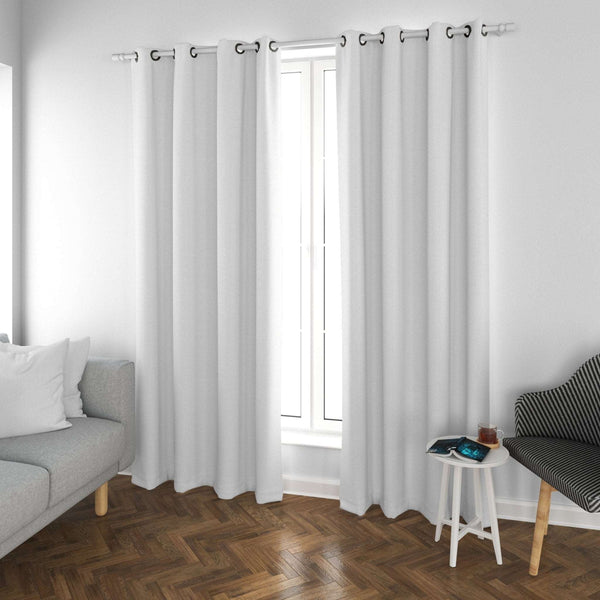
The beige or white satin-finish side often makes the space appear brighter, while the technical side remains duller. Many people choose the aesthetic appeal even if it means sacrificing a few percent of insulation. This choice is perfectly justifiable.
Winning combinations of mounting and orientation for a modern look
The 40-mm eyelets, combined with a discreet Gathering tape Track , provide a clean drop, regardless of the direction chosen. Taupe and gray remain the most versatile colors for this type of setup.
Curtains and Sheer Curtains Together: Which Comes First and Which Goes Which Way?
The sheer curtain is always placed on the window side, and the lined curtain on the room side. This layered arrangement creates a double barrier that is more effective than any single set of orientation-specific curtains.
Sheer curtain
By the window, it filters the light
Lined curtain
On the room side, blocks the air
Ideal gap
15 to 20 cm from the wall
Overlay
Improves overall insulation
Mounting and Orientation Systems: A Less Obvious Relationship Than Is Often Assumed
The importance of the fabric is often overestimated, while that of the Curtain pole is underestimated.
Gathering tape Track, eyelets, staples: Does each system require a single direction?
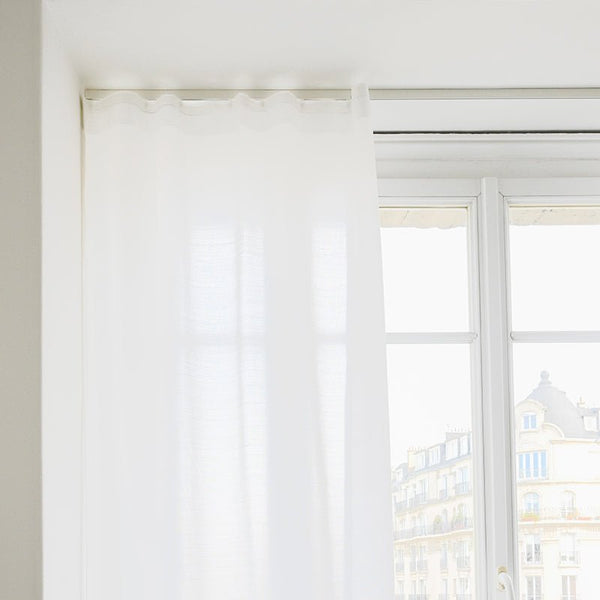
Gathering tape Track allows for easy reversal of the curtain, unlike grommets, which often lock the orientation in place during manufacturing. Clips remain the most flexible system for changing your mind mid-season.
Why does your " Curtain pole " have a greater impact on the result than the grain of the fabric?
A poorly secured, too-short, or too-close-to-the-wall “ Curtain pole ” compromises the insulating effect far more than a face reversal. We have seen installations that were perfectly oriented but completely ineffective because the “ Curtain pole ” was too narrow.
Installing a Thermal Insulation Curtain: The Variables That Are Often Overlooked
The height of the Track, the distance to the ceiling, and the lateral overhang are often more important than the exact grain of the fabric. The grain is often emphasized because it is easy to explain, even though it is not the most critical factor.
The Real Consequences of Poor Career Guidance
Going the wrong way isn't the end of the world, but there are some consequences worth knowing about.
Quantified Loss of Thermal Efficiency: How Much Does This Mistake Really Cost?
Poor orientation results in an estimated efficiency loss of between 3 and 8 percent, depending on the quality of the fabric. On an average annual heating bill, this difference is negligible compared to a poor width adjustment.
Accelerated fabric degradation: UV rays and chronic inversion
Regularly flipping your curtain exposes both sides to UV rays in turn, which accelerates the aging of the satin and causes white or beige fabric to fade more quickly. It's best to choose one direction and stick with it.
Ignored Acoustic Discomfort: The Side Effect of Poor Direction
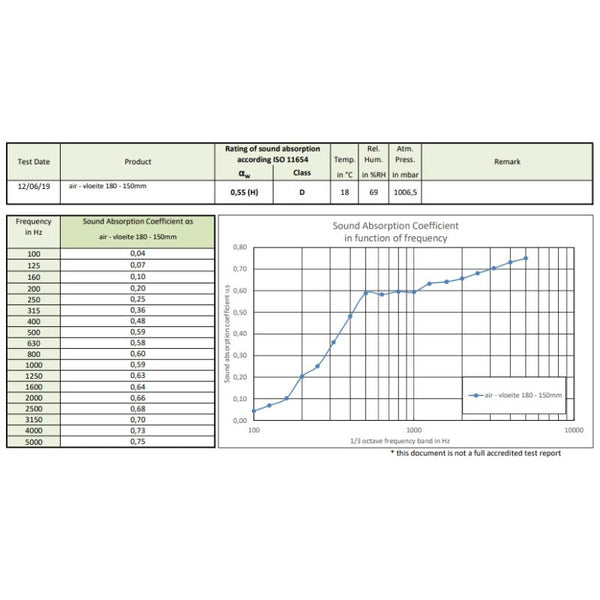
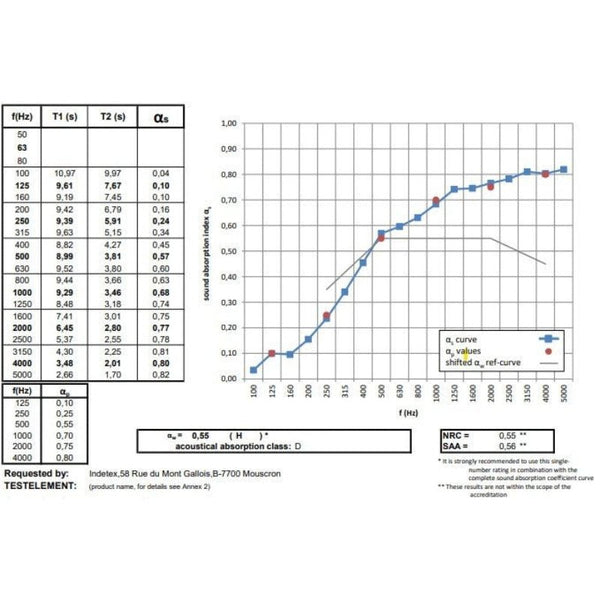
A 30 dB " noise-reducing curtain " loses some of its sound insulation if the sound-absorbing lining isn't facing the sound source. This is the most underestimated aspect of this whole "sense" issue.
The design of a curtain can never make up for a poor width fit.
How to Hang Curtains in a House: Don't Forget About Airflow
The insulating air bubble matters more than any rule of common sense.
Creating the insulating air bubble: Positioning matters more than orientation
The space between the curtain and the window creates a stable air pocket that slows down heat transfer. This air pocket functions regardless of the direction chosen, provided it actually exists.
The Gap Between the Curtain and the Window and Thermal Bridges: The Angle Nobody Talks About in Detail
A 10-centimeter gap between the fabric and the window significantly improves insulation—much more so than simply turning the fabric over. This gap is rarely mentioned in installation instructions.
Hanging Double-Layered Curtains and Sheer Curtains: Does the Orientation of Each Layer Matter?
In a double-pane installation, only the outer pane on the window side must comply with technical specifications. The inner decorative pane may be selected based solely on aesthetic criteria, with no real impact on overall performance.
- Flexible installation depending on the system
- Priority Adjustment Based on Orientation
- Compatible with all colors
- Labels are sometimes missing
- Indications that are sometimes unclear
- Results may vary depending on the fabric
Which Way to Hang Curtains: Key Points to Keep in Mind
Which way to hang curtains is a valid question, but the answer depends mainly on your overall setup rather than on a single rule. Adjust the width, check the gap between the curtains and the window, and try both ways before making a final decision. The rest comes down to a matter of a few percent.

FAQ: Straight Answers to Your Questions
Which way should the curtains be hung?
The technical side or the lined side is generally placed on the window side, but adjusting the width is more important than simply choosing which side to use.
How do you hang curtains on windows?
Attach the Curtain pole , allowing it to extend 15 to 30 cm on each side; leave a gap between the and the window, and choose a mounting system suitable for your fabric.
How do you hang curtains and sheers?
The sheer curtain is hung on the window side using a single Curtain pole , and the lined curtain is then hung on the room side using a Track or a second Curtain pole.