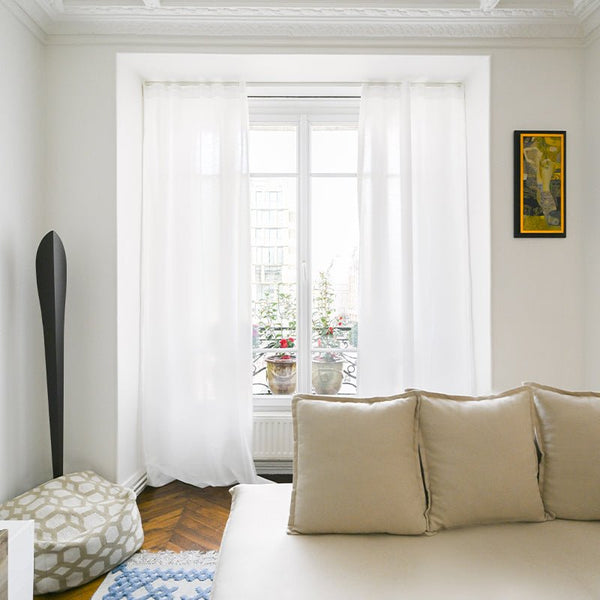
Whether it’s noise from neighbors, airborne noise, traffic noise, or footsteps, noise pollution can be a real source of stress and anxiety in everyday life. Furthermore, if it persists, it can disrupt sleep and affect the quality of life for those exposed to it. That’s why it’s important to protect yourself from it. Among the most effective solutions for improving indoor acoustics is the home “ acoustic curtain .” This accessory offers nothing but benefits for acoustic comfort.
What is a " acoustic curtain ," and how does it work?
The sound absorption mechanism
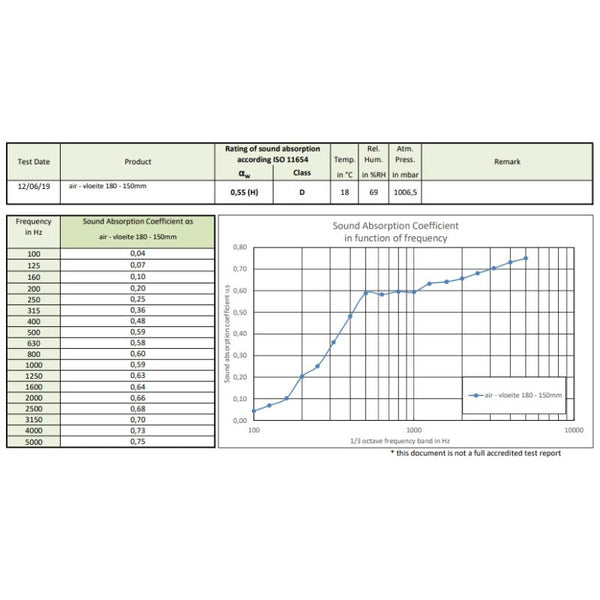
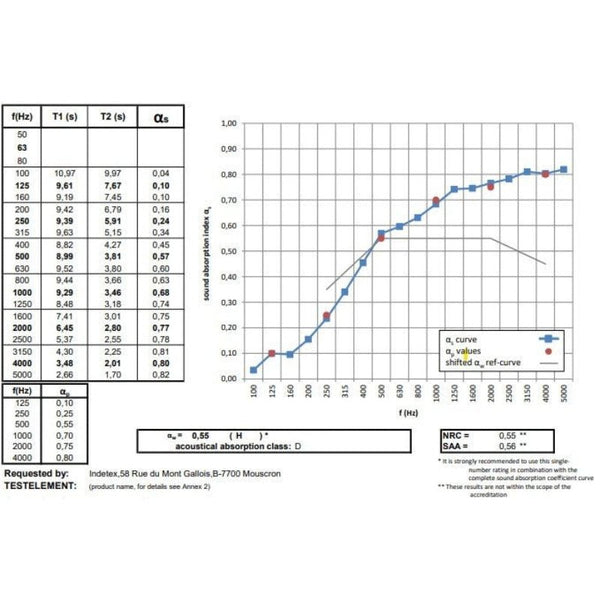
acoustic curtain, such as the30 dB soundproof curtain, was designed to reduce noise. It is based on two operating principles: the mass-spring effect and porosity. These principles suggest that the number of fabric layers in the curtain determines its effectiveness. In fact, these layers allow the curtain to control reverberation in a room by absorbing sound waves and converting them into energy. Note that for this to work, the material must be thick.
Differences from traditional curtains
The main difference between acoustic curtaintraditional curtain is that the latter offers no acoustic performance. In fact, it is made from lightweight fabrics such as cotton or linen, whichlack sound-absorbing properties. Its functions are limited to decoration and blocking out light.
Materials Used for a High- acoustic curtain
Fabrics and technical materials
Various fabrics and technical materials are used to manufacture acoustic curtains:
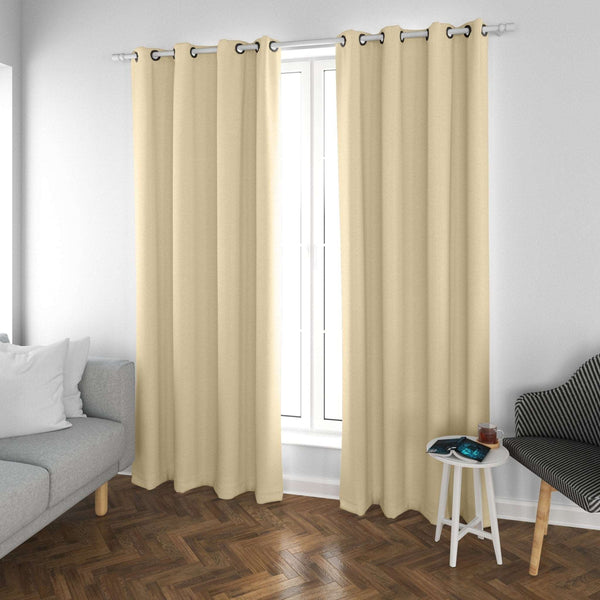
- soundproofing fabric: to control sound between different spaces or buildings. Isolation curtains are effective against external noise. Some models are available in neutral colors such as beige;
- sound-absorbing fabric: designed to attenuate echo effects within a room. This type of fabric solves sound problems in open spaces;
- acoustically transparent fabric: this has a mesh structure and is designed to conceal audio installations without impairing the quality of the sound emitted. Before purchasing this type of fabric, make sure it is durable, strong, dust-resistant and complies with current certification standards.
Specific properties to reduce sound waves
Homemade " acoustic curtain " relies on several specific properties to dampen noise and improve a room’s acoustics. First, it consists of multiple layers of fabric. In addition to blocking sound, it traps it and prevents it from spreading throughout the room. Thanks to this unique design, the acoustic curtain is dense, heavy, and thick. As a result, it absorbs sound waves and reduces their transmission. Finally, the acoustic curtain serves as insulation. It prevents the transmission of outside noise and reduces temperature fluctuations. Consequently, it optimizessound insulation , and thermal efficiency in the home.
The advantages of acoustic curtains in different rooms of the house
A home- acoustic curtain r can be installed in various rooms of the house:
In the bedrooms
acoustic curtain s are effective at blocking out outside noise and light, thereby promoting a good night’s sleep. Another interesting feature of this accessory is that it acts as insulation against the cold by reducing heat loss and improving energy efficiency.
In the lounges
By installing a acoustic curtain designed with sound-absorbing fabric in your living room, you’ll reduce both echo and reverberation. This will make conversations easier to hear. In addition, noise reduction helps create a calm atmosphere. Note that if you have a home theater, the acoustic curtain is an essential tool for improving sound quality.
In the offices
acoustic curtain s can block out unwanted noise and help you focus. In addition, they can help maintain the confidentiality of business discussions by limiting the transmission of sound between rooms.
noise reduction outdoor spaces and improving quality of life
In addition to reducing acoustic resonance in a room, the home- acoustic curtain s system can minimize noise coming from outside (neighbors, traffic, factories, etc.). As a result, it ensures peace and quiet, especially if you live in a neighborhood that is highly exposed to noise pollution.
How to Choose the Right acoustic curtain for Your Home?
Selection criteria
When choosing a home- acoustic curtain , it's important to consider their sustainability features:
- Thickness: the thicker the curtain, the more effective it is against noise;
- Size: the curtain must completely cover the window or space where it is installed to maximize its effectiveness;
- Material: The" acoustic curtain " can be made of polyester, velvet, cotton, or wool. Note that the material affects the product’s transparency, sound absorption coefficient, appearance, durability, and price;
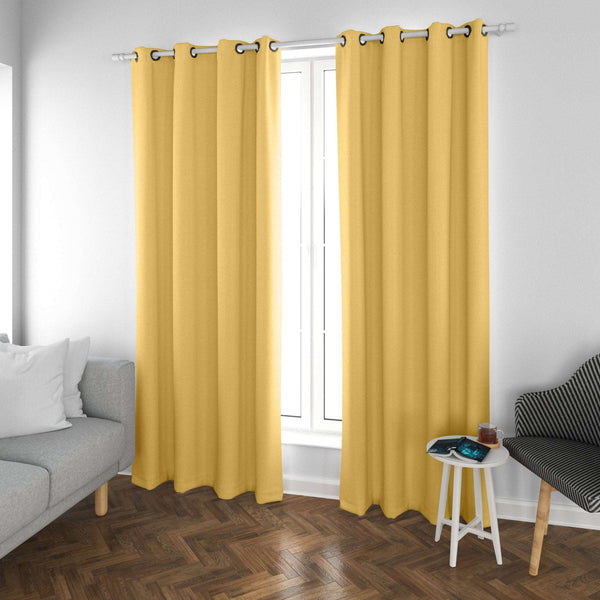
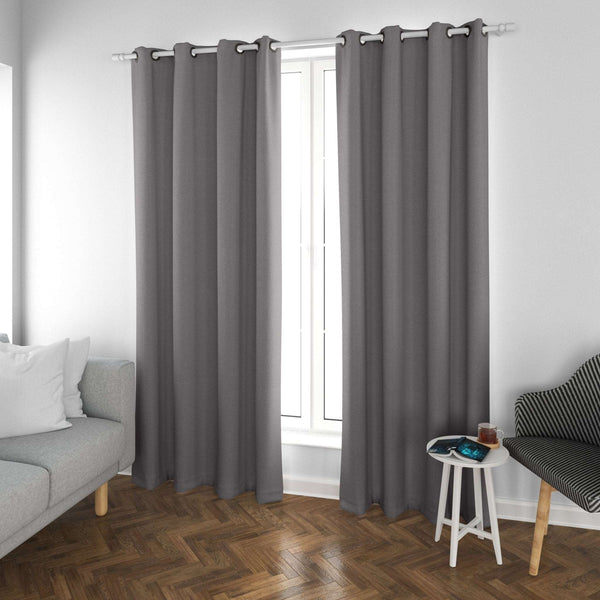
- design: choose a curtain whose color and texture can be harmonized with your interior decor.
Make sure the fabric is Oeko-tex to guarantee the absence of skin-damaging chemicals.
Tips for measuring and installing curtains
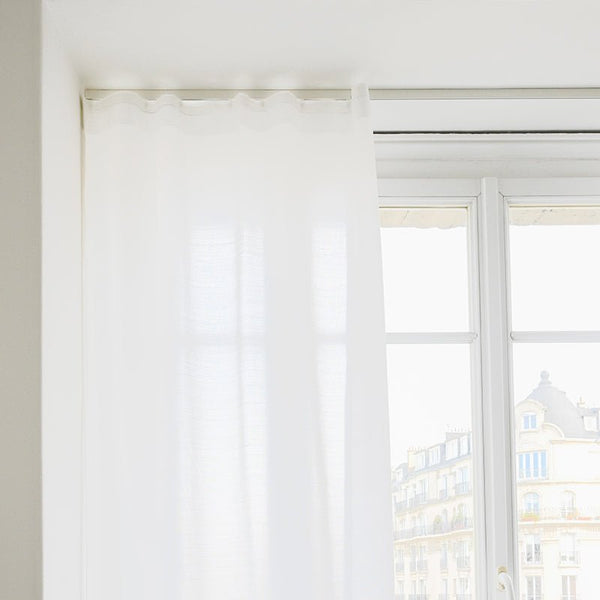
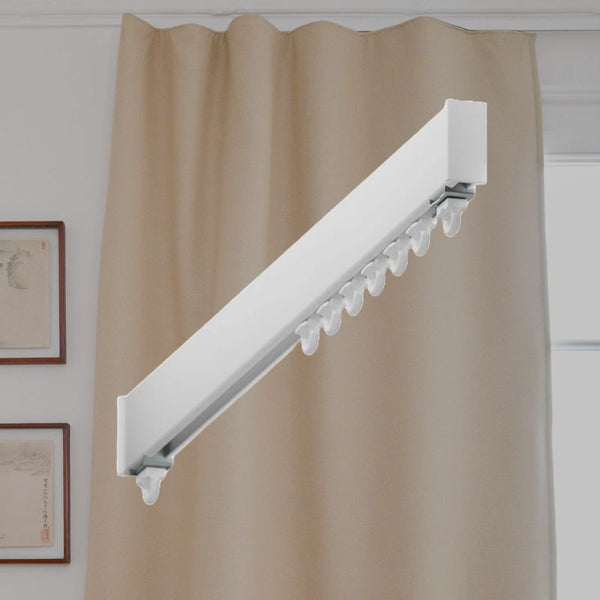
In principle, the width of the curtain should be twice that of the window to achieve attractive folds. It should be noted that the more folds there are, the more effective the curtain will be. In addition, the Curtain pole be placed approximately 10 to 15 cm above the window. Start from this position to measure the length of the curtain and make sure it stops just above the floor.
Nokomis, your expert in acoustic curtains
Are you looking for high-performance acoustic curtains to dress up your windows and optimize your everyday acoustic comfort? Order your accessories from Nokomis and enjoy fast delivery. Whether you’re looking for a standard or custom model, we offer a variety of options to meet your needs. You can choose the materials, colors, patterns, and sizes to suit your taste. With our durable, reliable, and stylish products, you’ll effectively combat noise pollution. Plus, we offer other products such as the blackout curtain, the insulating curtain, and the thermal curtain.