In short
A curtain that's hung incorrectly in front of a radiator traps heat against the window and drives up the heating bill
- At least 10 centimeters between the bottom of the curtain and the radiator
- Electric radiators are less tolerant of being enclosed than cast-iron radiators
- A well-chosen short curtain pays for itself in a single heating season
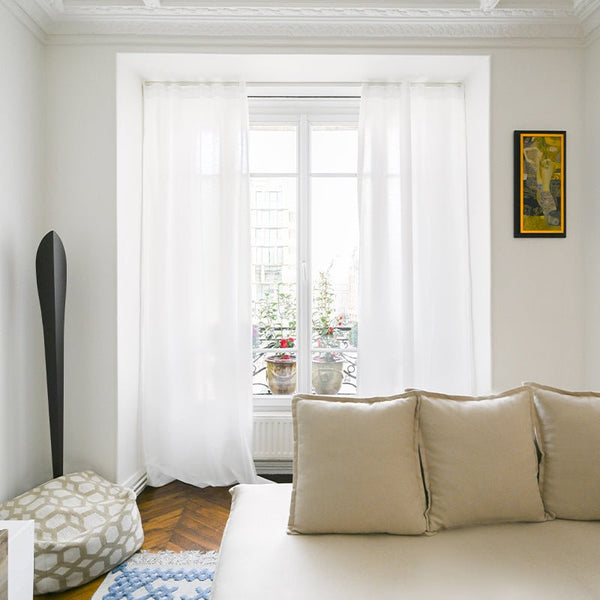
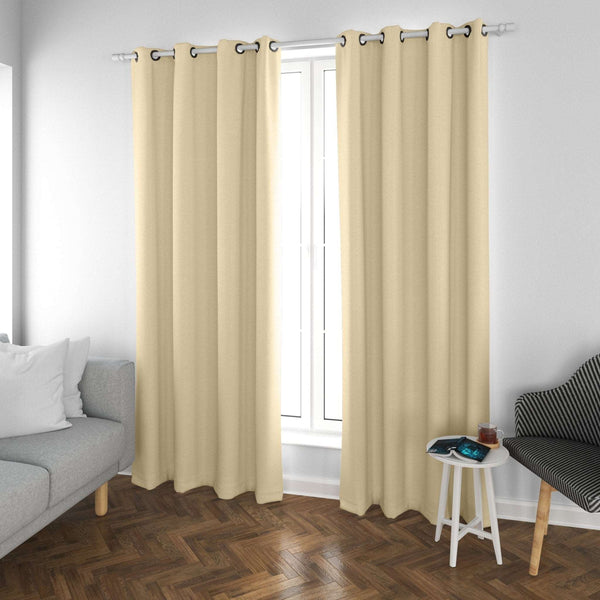
A curtain over a radiator is a classic example of poor living room design. You hang pretty curtains that fall to the floor, close them at night, and wonder why it takes two hours for the room to warm up. The reason is simple: the curtain traps warm air between the windowpane and the fabric, the radiator works for nothing, and the thermostat shuts off, thinking the room is already at the right temperature. We tested this out last winter with the “ Curtain pole ” set too low, and honestly, the water heater was hotter than the living room.
The Real Numbers: How Much Does a Curtain in Front of Your Radiator Really Cost?
The issue of the area in front of a radiator is not insignificant. A curtain in front of a radiator that reaches the floor reduces the diffusion of heat into the room and directs it toward the window, which is often colder than the ambient air. As a result, the radiator takes longer to reach the same temperature, and the boiler or electric heating element runs longer than necessary. This phenomenon is especially noticeable at the end of the day, when the curtains remain drawn all evening. Even more than the length, it is often the direction in which a “ thermal curtain ” is hung that determines the extent of this heat loss.
Heat loss measured in euros per month
Keeping a long curtain closed in front of a radiator all evening in winter creates a vicious cycle: warm air becomes trapped between the fabric and the windowpane, cools upon contact with the glass, and then sinks back down onto the radiator, which begins to heat it up again. Improperly positioned thermal curtains exacerbate this phenomenon, as their lining traps the very heat you’re trying to circulate throughout the room. A short curtain, on the other hand, allows air to circulate freely and prevents this buffering effect.
Comparison of Water-Filled Radiators vs. Electric Radiators
A hot-water radiator has greater thermal inertia: the cast iron stores heat and releases it slowly, even when a curtain slightly limits heat diffusion. An electric radiator, on the other hand, reacts instantly. Its heating element heats up quickly, and if air doesn’t circulate properly because a fabric is too close, the surface temperature rises faster than with a water-based system.
Payback Analysis: When a Short Curtain Becomes Profitable
Choosing a short curtain over a long one isn’t just a matter of aesthetics. The price difference between the two styles is minimal—sometimes nonexistent, depending on the sizes available in stores. The real benefit is felt over the entire heating season: less localized overheating, fewer unnecessary thermostat cycles, and a room that reaches its target temperature faster. A well-chosen short curtain is considered to pay for itself by the first winter, simply because it doesn’t create any hidden costs.
Electric radiators or cast-iron radiators: the rules are different
Not all radiators react the same way to a curtain. All too often, we’ve seen homeowners apply the same rule across the board, even though the type of radiator makes all the difference.
Electric Heaters: The Real Risks of Overheating
An electric radiator with a thermostat built into the front panel can be fooled by fabric placed too close to it: it detects high localized heat and shuts off the heating element, thinking that the entire room is warm. The room remains cold, the radiator shuts off too soon, and the cycle repeats itself over and over. This is a common malfunction, frequently reported on DIY forums by renters facing this problem.
Cast-iron radiator: Why it works better with curtains
Cast-iron radiators give off a gentle, steady heat that is less affected by local temperature fluctuations. A curtain placed a little too close to a cast-iron radiator does not interfere with its operation in the same way as it would with an electric model, since there is no thermostatic sensor built into the heating element itself. The surface, however, remains hot for a long time, which still requires caution regarding the type of fabric used.
Convection heater: the worst setup for long curtains
The electric convector heater draws in cold air from the bottom and expels warm air from the top. A long curtain hanging in front of it literally blocks this airflow. The heat is trapped in a narrow column between the convector heater and the fabric, with no diffusion into the room. This is undoubtedly the most inefficient setup one could imagine for a curtain in front of a radiator.
The 10-centimeter Strategy: Why This Measure Changes Everything
Ten centimeters is the difference between a curtain that works with your heating system and one that undermines it. This figure appears in all reliable recommendations, and it is not arbitrary.
How can you measure correctly to avoid mistakes?
Measure from the top of the radiator to the desired bottom of the curtain, always leaving at least 10 centimeters of space. A common mistake is to measure from the floor without taking the radiator’s height into account, which results in a curtain that touches or brushes against the radiator.
The Pitfalls of Standard Sizes in Stores
Standard sizes sold off the shelf—often 180 or 240 centimeters—never match exactly the dimensions of a window with a radiator below it. A short blackout curtain designed specifically for this setup eliminates the need for this tedious calculation, but you should still check the actual height before purchasing.
Adjustments based on the size of your radiator and the depth of your windowsill
A high-end cast-iron radiator or a stylish vertical model doesn’t take up as much space as a small, low-profile convector heater. The depth of the windowsill also matters: the wider it is, the further back the curtain can hang without obstructing airflow.

Thermal curtains, Roman shades, or sheer curtains: Which of these options really works?
Three options consistently come up when looking for a way to dress a window with a radiator. Not all of them are equally good.
Thermal curtains: a bad idea when placed in front of a radiator
Thermal curtains are designed to trap heat against a cold windowpane—exactly the opposite of what you want when standing in front of a radiator. Their thermal lining, which is effective against an uncovered window, becomes counterproductive when it traps the warm air emitted by the heater itself. This is the paradox that no one ever mentions in stores.
Roman shades: Why interior designers prefer them
The Roman shade raises all the way above the radiator, freeing up the entire heat-dissipating area. This is the solution preferred by many interior designers, precisely because it solves the problem at its source without sacrificing privacy or style.
Sheer curtains: the invisible solution that no one considers
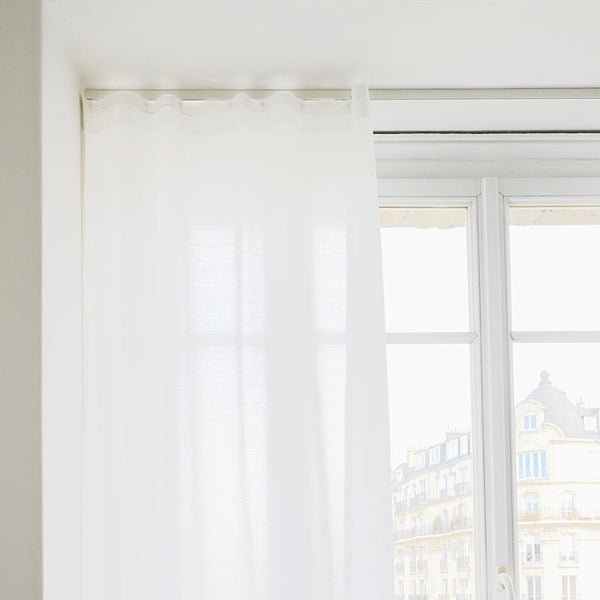
A lightweight sheer curtain—used in combination with a blind or on its own—allows warm air to circulate without creating a thermal barrier. This option is often underestimated, yet it combines privacy, natural light, and full respect for thermal flow.
Thermal Lining Alone: Illusion or Real Effectiveness?
Adding a thermal lining to a short curtain hung above the radiator makes sense: it insulates the window without ever touching the heating element. This combination works, unlike a long, lined curtain that falls in front of the radiator.
- The Roman shade completely clears the space around the radiator
- A sheer curtain allows warm air to circulate
- A short curtain limits the buffer effect
- thermal curtain long retains heat
- Sheer curtains alone provide little privacy
- Roman shades are less visually inviting
How to Hang Curtains Without Blocking the Heat: A Step-by-Step Guide
Here is the method we consistently follow before installing any Curtain pole.
Measure your radiator and determine where the curtain should end
Measure the height from the top of the radiator, add a 10-centimeter allowance, and you’ll get the maximum length of the curtain. This measurement takes precedence over any aesthetic preference for a longer curtain.
Choose the right Curtain pole to prevent thermal deformation
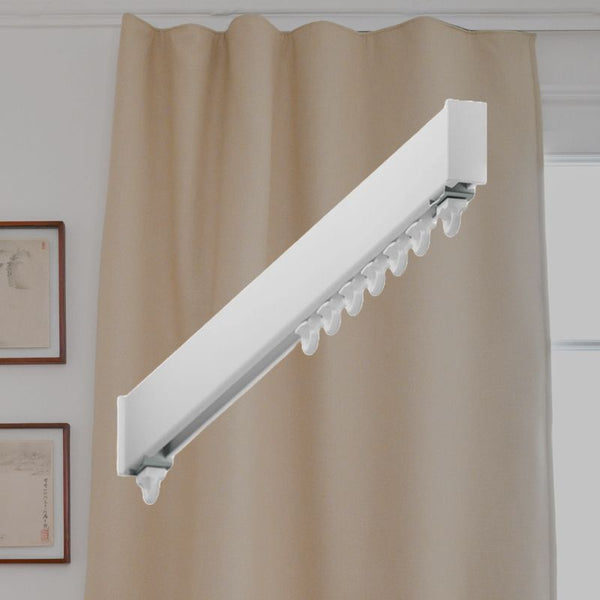
A metal " Curtain pole " withstands ambient heat better than a plastic model, which can warp over time if placed too close to a constant heat source. It should always be mounted above the top of the window, never at the level of the radiator.
The Importance of Clearance Above the Radiator
Even with a short curtain, a window sill that’s too wide or a poorly installed shelf can block the natural rise of warm air. There must be unobstructed airflow across the entire width of the radiator, not just beneath the curtain.
Closing Your Curtains at the Right Time: When It Really Lowers Your Bill
The question isn't just where to place the curtain, but also when to close it.
The Best Time to Close Your Curtains, Depending on the Season
In winter, closing the curtains as soon as it gets dark helps trap the heat that has built up in the room before the night cools the windows. Closing the curtains at the right time limits heat loss to the outside once night falls—a simple but often overlooked step.
Closed Curtains During the Day in Summer: How to Keep Your Home Cool
Summer turns conventional wisdom on its head: keeping the curtains closed during the hottest part of the day protects the room from the sun’s rays. But be careful when choosing the color and fabric—a dark curtain absorbs heat and acts like a makeshift radiator during a heat wave, which is the opposite of the desired effect.
Winter Nights: The Often-Overlooked Heating Strategy
At night, the window becomes the coldest spot in the room. A short curtain with thermal lining, closed just before bedtime, creates a barrier between the cool air from the window and the room, without ever touching the radiator, which continues to heat the room as usual.
- Fewer unnecessary heating cycles
- A room that heats up faster
- Consistent thermal comfort in the living room
Radiator Covers: The Decision That Makes All the Difference in Your Heating System
It’s a common topic of conversation among neighbors over coffee: a curtain over a radiator is never just a trivial decorative detail. It’s a choice that directly affects your comfort and your energy bill every winter. Measure carefully, choose a short curtain or a Roman shade, let the air circulate, and your radiator will finally do the job it was designed to do.
FAQ
How can I install thermal curtains without losing heat?
The thermal lining should only be installed on a short curtain positioned above the radiator, never on a long curtain that hangs in front of the radiator. This setup insulates the window without trapping the warm air emitted by the heater.
Is it possible to hang a curtain in front of an electric radiator?
Yes, as long as you keep it at least 10 centimeters away and choose a lightweight, breathable fabric. A curtain that’s too close to an electric radiator can interfere with its built-in thermostat and cause it to shut off prematurely.
What kind of curtains should I use to keep the heat out in the summer?
A light-colored, thick curtain—preferably a blackout curtain—reflects sunlight rather than absorbing it. Dark fabrics, on the other hand, absorb heat and release it back into the room, which is the opposite of what you want during a heat wave.
Is it possible to place a shelf or a piece of furniture on top of a radiator?
Yes, but only if you leave enough space for warm air to circulate upward. A shelf placed too close to the radiator, with no air gap, blocks heat from spreading and creates a localized pocket of overheating.