In short
The width of the curtain is calculated based on the Curtain pole, not the window
- The multiplier coefficient ranges from 1.5 to 2.5, depending on the desired effect
- The side margin completely changes the final visual appearance
- A single panel almost always results in a cramped layout
What’s the right width for window curtains? That’s THE question that comes up every time we talk about decor over coffee. And believe me, I’ve struggled myself with a Curtain pole that was too short and curtains that fluttered like two sad handkerchiefs on either side of my picture window. Since then, I’ve figured out something really simple: you don’t measure the window—you measure the Curtain pole. And the Curtain pole always extends well beyond the frame.
Stop multiplying by 1.5x or 2x: the real formula used by professionals
Why aren't the standard coefficients enough?
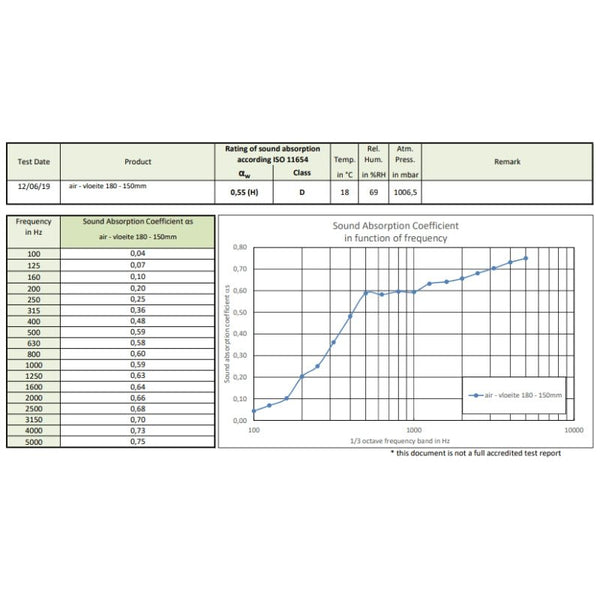
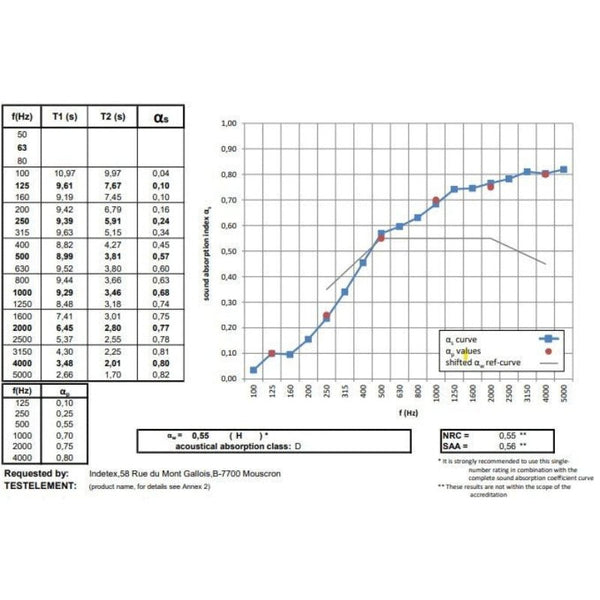
Everyone repeats the same formula: multiply the width of the Curtain pole by 1.5 or 2 to get the required fabric width. Except that this rule overlooks a crucial detail: the weight and type of fabric. Lightweight linen and heavy velvet don’t drape the same way when using the same multiplier. The acoustic curtains Nokomis, for example, often require a more generous multiplier because the material is denser, heavier, and needs more volume to drape properly without pulling on the Curtain pole. This is something I learned the hard way when I hung mine in the living room—they were too tight at first, looking every bit like under-sized curtains. The same reasoning regarding proportion applies to height: knowing the ideal length of the curtains prevents you from repeating the same sizing mistake once the width has been determined.
The Hidden Factor: The Thickness of the " Curtain pole " and the Invisible Overhang
Curtain pole itself takes up some of the usable width. Between the end caps, the rings, and the stopper on each side, you can easily lose a few centimeters without even realizing it. As a result, the theoretical calculation never matches the actual installation exactly.
How do you adjust the coefficient based on your window type?
For a small bedroom window, a coefficient of around 1.5 is more than enough; the look remains clean and light. For a living room with a large picture window, it’s best to aim for 2 or even 2.5 to ensure a truly generous drape. The size of the room directly influences this choice, as does the desired style.
How to Measure the Width of a Curtain Without Making a Mistake: A Step-by-Step Guide
Measure the actual distance between your anchor points
We always start with the distance between the two ends of the Curtain pole, not the width of the window. That’s the number-one mistake—the one I used to make before I understood why my curtains always hung too close to the glass.
Add side margins according to the desired effect
A good curtain extends beyond the window frame on each side. This extra space lets light in when the curtain is fully open and makes the room appear more spacious. It’s a simple decorating tip, but one that completely changes the visual perception of a window.
Check how many panels you need before placing your order
Before confirming your order, calculate the number of panels you’ll need. A total width of 300 cm in a single panel is almost never available in standard sizes, so you should plan for a double-panel curtain from the start.
One or two panels: the mistake you make when choosing the width
Why does a single sign always look cheap?
Admit it—you’ve seen those odd curtains that are drawn only on one side, creating a lopsided look, like a hat that’s too small on a big head. It always looks off-balance, especially on a wide window.
Calculating the Number of Panels Based on Window Width
For a standard window, two panels create a more harmonious look and are easier to open on a daily basis. The width of the window directly influences this choice; a single panel is best suited for small openings or fixed decorative sheers.
Key dimensions for each configuration
| Window width | Number of panels | Recommended total width |
|---|---|---|
| 90 cm | 1 or 2 | 135 to 180 cm |
| 120 cm | 2 | 180 to 240 cm |
| 180 cm | 2 | 270 to 360 cm |
The ideal lengths for Curtain pole based on your setup
Curtain pole wall-mounted: the exact distance from the ceiling or frame
The " Curtain pole " is typically mounted 10 to 15 cm above the window frame. This distance adds height to the room and prevents it from feeling cramped, especially in a bedroom with a low ceiling.
Curtain pole Between two walls: How to Avoid Losing 5 cm of Usable Width
When the Curtain pole is mounted between two walls, each bracket takes up a little space. It’s best to allow for some extra length when you buy it so you don’t end up with a curtain that pulls on the rings.
Floor-to-ceiling windows and large windows: Anticipating Overflow
For a floor-to-ceiling window, the overhang must be planned on both sides to allow for maximum light to enter. This additional length is often underestimated, and that’s where the final result is most disappointing.

Why do your curtains look too tight even though the measurements seem correct?
Gathering depth: the overlooked parameter
Even with the right width of fabric, a gather that’s too flat will make the whole look appear flat. The folds need to have depth to create volume; otherwise, the effect will remain flat and lifeless.
Space between the wall and the Curtain pole : the impact on visual scale
A small gap between the wall and the curtain rod Curtain pole allows the fabric to breathe and hang naturally. If it’s too close to the wall, the curtain looks stiff, almost frozen in place.
Combine draping and width for a luxurious look
The high-end look comes as much from the width as from the drape of the fabric. A flowing fabric with ample width creates an effect that no single factor alone can guarantee.
A well-dressed window is recognized by the way light filters through the folds, not by the size of the fabric.
Double Curtain Hem Height: 3 Mistakes to Avoid
Measuring the hem of a single curtain versus a double curtain
A double curtain generally requires a more substantial hem than a single sheer curtain, to ensure a better drape and longer-lasting durability.
Adjustment Based on the Type of Track , and Eyelets
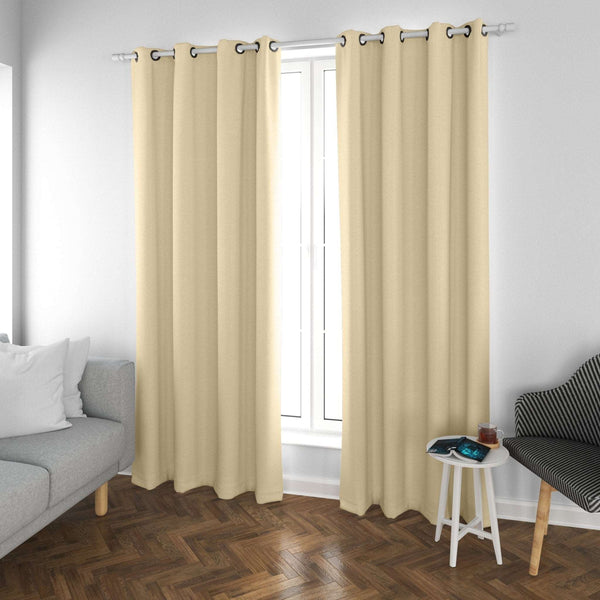
Eyelet curtains slide differently along the Curtain pole compared to traditional gathering tape. This difference in installation slightly affects the final height once the curtains are hung.
The final result: touching the ground or stopping 1 cm short
The current trend in curtain length favors a slight gap off the floor—about one centimeter—rather than fabric that drapes all the way to the floor. A curtain that touches the floor exactly creates a more classic and formal look.
Adjust the width based on the fabric and lining to avoid any regrets
Do lightweight fabrics require a different cut?
A lightweight sheer fabric can handle a larger volume without looking heavy, unlike a thick fabric, which requires more careful consideration. Brands such as Madura and Bouchara offer different collections based on these fabric characteristics.
Thermal Lining and Visual Appeal: How the Material Really Makes a Difference
A thermal lining adds weight and structure to the curtain, providing better thermal comfort in the winter. It also slightly alters the visual appearance, making it more structured and less flowing than a simple, unlined curtain.
Expect the fabric to shrink after the first few washes
Some fabrics shrink slightly after the first few washes. It’s always best to allow for a little extra length when you buy them, rather than end up with a curtain that’s too short six months later.
What is the ideal curtain width for a window in real life?
Ultimately, determining the right curtain width for a window depends less on a magic formula than on carefully observing your room, your window Curtain pole , and the fabric you’ve chosen. It’s always better to aim for a slightly wider width than too narrow one—you can easily adjust for excess fabric, but you can never make up for a shortage. So grab your measuring tape, take your time, and have fun with the pleats.
FAQ: Your Questions About Window Curtain Width
What is the right curtain width for a 130-cm window?
For a 130-cm window, plan for a height of about 170 to 180 cm and a total fabric width of between 260 and 325 cm, depending on the selected coefficient, divided into two panels. Curtain pole
What is the ideal length for a curtain- Curtain pole ?
Curtain pole s generally extend 15 to 20 cm beyond the window frame on each side to allow light to enter unobstructed when the curtains are open.
What is the hem length for a double curtain?
The hem of a double curtain is generally between 8 and 10 cm at the bottom and about 4 to 6 cm at the top, depending on the type of finish chosen.