Summary, by the radiator
- Heat loss creeps in everywhere, through the roof, walls, windows, floor, and ventilation, and your boiler works overtime to maintain a semblance of warmth (you can also feel the breeze greeting your toes).
- Diagnostics, from the candle test to thermal imaging, shed light on actual drafts, and unsurprisingly, it's better to play detective before redoing everything.
- Insulation is the great adventure of a cozy home, but beware of false leads, shoddy materials, and professionals who must be chosen carefully, otherwise the heat will escape.
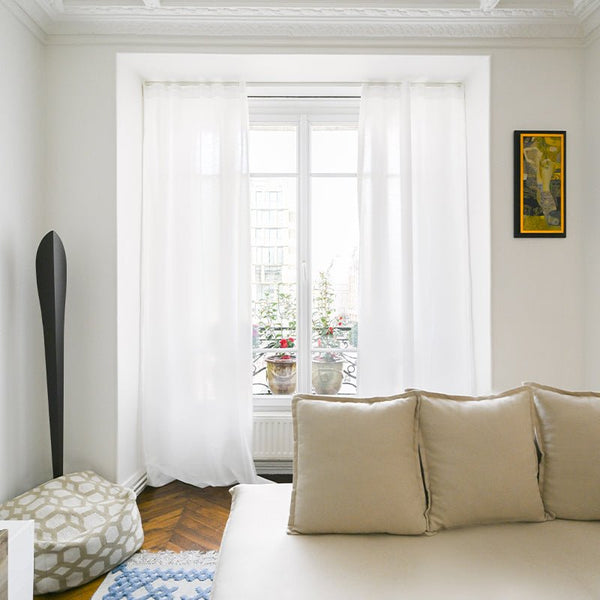
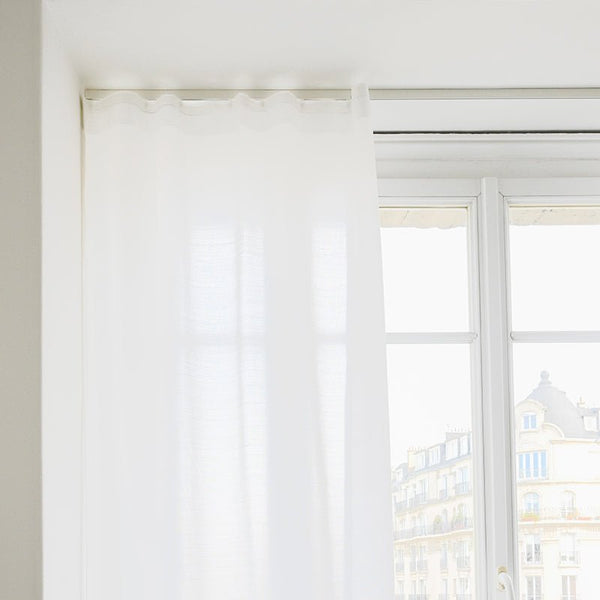
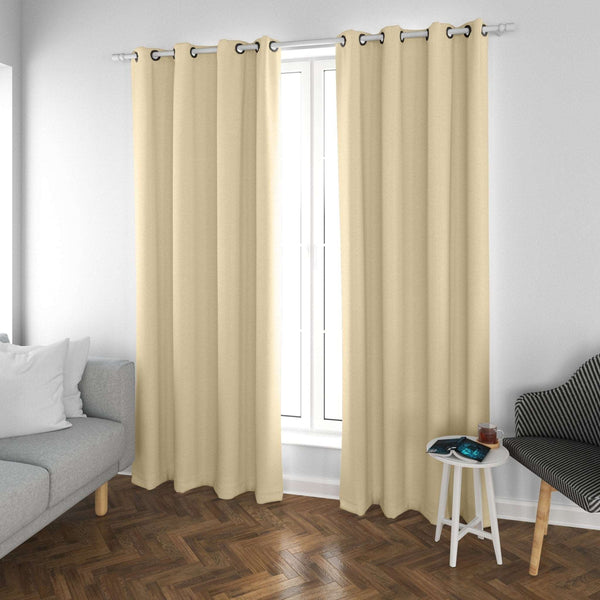
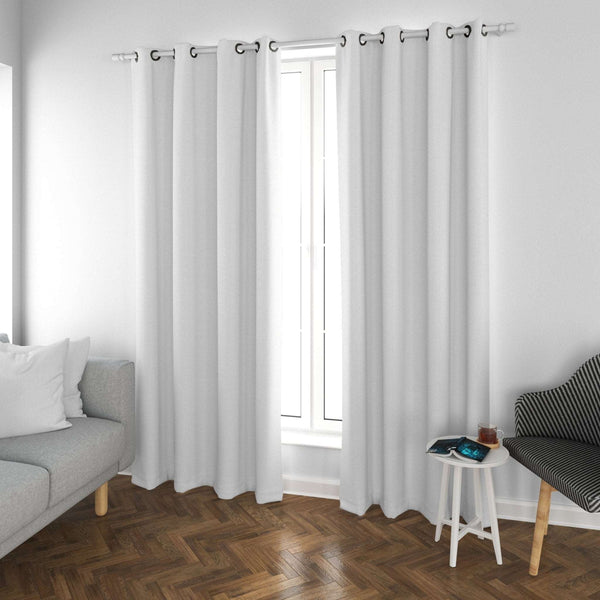
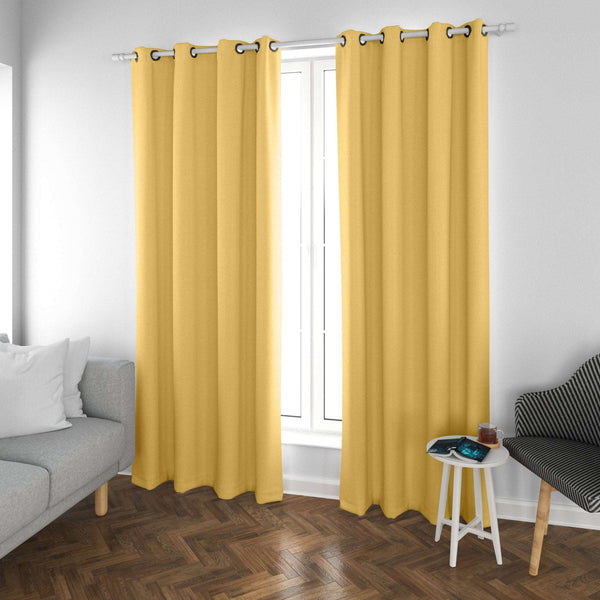
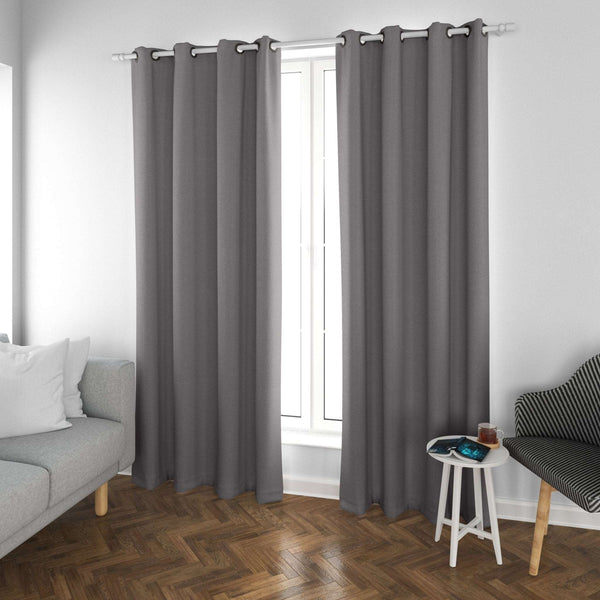
Imagine this strange scene: the heater is running full blast, yet the room remains lukewarm, as if the walls were struggling to keep out the winter chill. You feel a breeze creeping insidiously under the door, and the pale light fails to warm your numb hands. The thermal curtain becomes an absolute must!
Do you sometimes wonder if making a home comfortable really comes down to technology or the beautiful colors of the throw pillows? No—often not. The cold doesn’t chase away your dreams, but it gradually erodes your routines, until the moment you realize that identifying the problem sheds light on the real issue. Ready to choose the best cold-proofing thermal curtain ?

The phenomenon of heat loss in the home
Whether your home is insulated or not, its flaws will become apparent. Heat loss manifests itself as a persistent draft, warm air escapes as soon as there is a thermal bridge, and your bills inevitably rise. You may think you are keeping energy inside your walls, but physics always takes the easy route. Heat flows where it encounters the least resistance, and the slightest flaw can ruin your indoor comfort. There's nothing less satisfying than investing in a sophisticated heat pump if your walls let everything escape to the outside.
The definition of heat loss and its implications
You can feel the heat escaping, can’t you? Yet that nagging question remains: where does the heat loss begin, and to what extent? The 2026 thermal regulations now address the management of each heat flow, with no room for approximation. Thus, simply installing a thermal curtain is never enough; it acts as a Band-Aid but does not fix the structural problem.
The main causes of heat loss in homes
You identify the causes, then they repeat themselves. A porous wall, an old window, or a frosty floor in January—yes, every flaw accentuates the indoor greenhouse effect, and the boiler fights relentlessly against multiple fronts. The cold seeps in, you hear it at night, and you begin to suspect the complexity of the problem, far from a simple temporary weakness.
The role of different areas of the house in heat loss
Take a break, visualize the entire building, and think about molecular diagnostics. Available calories escape through the roof, your walls compete with the competition, and then the ventilation and glazing, though discreet, compromise your comfort. If you want to see the figures, I've included them below. They're surprising and real.
| House area | Loss percentage (%) |
|---|---|
| The roof | 25 to 30 |
| The walls | 20 to 25 |
| Ventilation and air leaks | 20 to 25 |
| The windows | 10 to 15 |
| The ground | 7 to 10 |
You read that right, each area adds to the overall loss. Diagnose where it seems insignificant to you, surprises always occur where you let your guard down.
Diagnosing heat loss in your home
Every home hides its signals. You notice that radiator blazing away, yet the wall remains ice cold. Condensation dares to form on the windows, the bill climbs, and your hands desperately search for the source of the problem. Sometimes you try the old-fashioned method, your hand pressed against the door, a candle to sharpen your instincts. The result? No, you're not dreaming, there is an imbalance.
Tools for measuring heat loss, from handheld to thermal imaging cameras
You try out several approaches, driven by curiosity. Your hand guides you to the cold spot, a sometimes frustrating game. The thermal camera finally gives you the technical image you need, with the weak spot highlighted in bright orange, almost dramatically. Even a comprehensive, costly energy performance diagnosis is a necessary step to get a clear picture and apply for any subsidies that may be available. The effectiveness of your future work starts here.
| Type of diagnosis | Accuracy | Indicative cost | Benefits |
|---|---|---|---|
| Simple test (hand, candle) | Low | Free | Quick and easy |
| Amateur thermal camera | Average | $50-$300 | Precise location of thermal bridges |
| Professional energy performance certificate | High | $150-$350 | Required for assistance, comprehensive assessment |
You always prioritize a diagnosis before breaking anything.
Seven solutions for reducing heat loss in a home
Your roof is sometimes the silent culprit. Install effective glass wool insulation and the interior will take on a whole new thermal dimension. The investment may seem substantial, but the return on investment will be obvious from your next energy bills. There is rarely a simple solution that does not involve this strategic area.
Improving wall and floor insulation
You tackle the walls, those giants that we neglect. External insulation is winning over many experts. The floor also disrupts the descriptive balance. A simple insulator, in roll or technical panel form made from wood, transforms your winter mornings. Your home takes on a new thermal dimension. The nature of the coverings weighs heavily in the equation.
Window replacement and glazing management
You then turn your attention to the glazing. Single glazing will ruin your efforts, whereas double or triple glazing, installed correctly, will block out that creeping cold. You caulk, you test, you even add a discreet silicone seal, and the draft disappears. Replacing a window is never just about aesthetics. It's about long-lasting performance.
Other complementary actions to limit waste
You fine-tune the ventilation settings, check every seal, and hunt down the slightest flaw. Dual-flow ventilation now plays an active role in thermal stabilization, a silent revolution. The heating system must be optimized in conjunction with the rest, otherwise the overall result will be disappointing. You will see the difference in your bill the very next month.
Criteria for selecting and evaluating the effectiveness of solutions
Before selecting a solution, you always consider the cost-benefit ratio. External insulation costs around €150/m², while the price of high-performance windows varies considerably. Subsidies in 2026, which are more accessible than in the past, contribute to the overall effort. You may sometimes be eligible for a subsidy known as MaPrimeRénov’ or an adapted Energy Efficiency Certificate (CEE), which can significantly alter the profitability calculation.
Mistakes to avoid when renovating for energy efficiency
Sometimes you doubt yourself, underestimating the complexity of a thermal renovation. You insulate partially, the thermal bridge reappears further on, moisture sets in, disappointment ensues. So you check your surfaces, your choice of materials, the consistency of your project, and each point then becomes obvious. The initial diagnosis remains your first weapon.
Choosing qualified professionals for the work
You look for a tradesperson with the RGE label, you read reviews, you ask specific questions. You compare guarantees and demand certification. In 2026, the quality of workmanship will determine your access to financial assistance and the end result. Choosing the right professional will save you a lot of trouble.
A quiet and efficient home with Nokomis
You rub your hands together in the evening, and the cold no longer disturbs your peace of mind. The house vibrates differently, silence settles in, and the performance produces no unsightly noise. Dominated by the regularity of the temperature, your daily life is transformed. You then feel this mixture of warmth and serenity, the indoor environment is balanced, and you wonder if this well-deserved comfort hides a subtle form of modern luxury.