Calm Restored
- Effectivesound insulation : The distinction between blocking out external noise and correcting internal echo remains essential for optimal comfort.
- The technical principle: The mass-spring-mass system uses fibrous insulation to absorb vibrations and completely dissipate sound energy.
- Mobile solutions: Installing high-performance acoustic curtains allows you to restore peace and quiet without undertaking major renovations.
Barrier against outside noise
sound insulation s block the passage of sound between two separate spaces. They protect your home from noise coming from the street or neighboring apartments. Don't overlook acoustic materials!
- 1/ Soundproofing: Insulation prevents sound waves from traveling from one room to another or from outside to inside.
- 2/ Sound Attenuation Index: A product’s technical performance is determined by its sound attenuation capacity, expressed in dB.
- 3/ Mental health: A quiet environment reduces stress and promotes restful sleep for residents.

Insulation vs. Acoustic Correction
Insulation is designed to block noise coming from a source outside the treated room. You install these materials in walls or ceilings to create a true sound barrier.
Acoustic correction addresses the sound produced within the space itself. It eliminates echo and resonance to improve the clarity of conversations or music. Your choice depends on the nature of the problem you’re experiencing in your home. The use of soundproof curtains can sometimes resolve resonance issues while also reducing light outside noise.
Classification of Noise Pollution
Airborne noise travels through vibrations in the surrounding air. It includes voices, the television, and cars passing by on the street.
Impact noise travels directly through the building’s solid structure. Heels on hardwood floors or an object falling are classic examples. Identifying the source of the noise is essential before work begins. This precaution prevents the purchase of insulation that is unsuitable for the target sound frequency.
| Insulating material | Primary Use | Typical thickness | Target Performance |
|---|---|---|---|
| Rock wool | Walls and Attics | 40 to 100 mm | Up to 55 dB |
| Expanded cork | Floors and Hardwood Floors | 2 to 10 mm | -20 dB (impacts) |
| Sound-absorbing panel | Drywall | 13 to 15 mm | +5 dB gain |
| PU foam | Shutter boxes | 20 to 30 mm | High absorption |
Mass-Spring-Mass Principle
- 1/ Double-wall: This system uses two heavy components separated by a soft, absorbent layer.
- 2/ Energy dissipation: The wave loses its strength as it passes through layers of radically different densities.
- 3/ Space efficiency: This method delivers effective results without requiring excessively thick walls.
Law of Mass and Density
A wall's mass determines its natural resistance to vibration. A solid concrete wall blocks sound better than a lightweight hollow-core partition.
Specialized drywall panels incorporate dense components to enhance this mechanical effect. Density alone is not always sufficient to handle the low frequencies produced by motors. Adding a multilayer composite is therefore necessary to achieve complete silence in the room.
Shock Absorber Springs and Vibrations
The porous insulation placed between the two layers absorbs vibrations like a shock absorber. Mineral wool or plant fibers are ideal for this technical purpose. This intermediate layer converts the movement of air molecules into a gentle, invisible heat.
A simple air gap is less effective than a solid fibrous filling. Air can even resonate and amplify certain unpleasant frequencies. You must therefore fill the empty space to ensure a clean break in the sound wave.
Material Resources and Needs
- 1/ Selection criteria: The final choice takes into account the available thickness, durability, and fire resistance.
- 2/ Dual benefits: Many acoustic solutions also improve a home’s thermal insulation.
- 3/ Complete soundproofing: even the smallest gap in a partition allows sound to pass through like a fluid.
Conventional Mineral Wool
Glass wool and rock wool dominate the current renovation market. Their tangled structure traps air to block the propagation of surrounding sound waves.
These materials are flame-resistant and easy to install in metal tracks. Their affordable price makes them a popular choice for attic spaces or partition walls. They provide an effective barrier against traffic noise and everyday sounds.
Eco-friendly and sustainable insulation materials
Expanded cork stands out for its effectiveness in reducing impact noise from the floor. This natural material is highly resistant to moisture and is completely rot-proof. Cellulose wadding offers a healthy alternative for indoor air quality thanks to its fibrous structure.

These bio-based materials provide significant thermal inertia during periods of extreme heat. You’re investing in lasting comfort that’s safe for your family’s environment. The well-being of the occupants also depends on the use of materials that do not emit volatile organic compounds.
Quiet Solutions from Nokomis
Nokomis French expertise Nokomis to address noise disturbances without altering the solid structure of the walls. City dwellers find concrete solutions here to their need for immediate peace and quiet. Drawing on more than a decade of expertise, the brand designs high-end solutions manufactured in France.
Each product reflects a strong commitment to comfort and compliance with strict environmental standards. You gain access to cutting-edge technology that blends seamlessly into your interior design. Silence becomes an accessible luxury that radically transforms your perception of your living space.
Acoustic Curtains and Decor
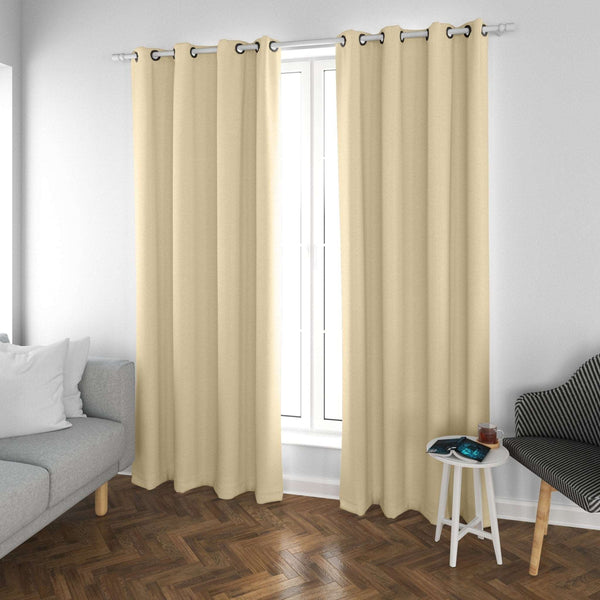
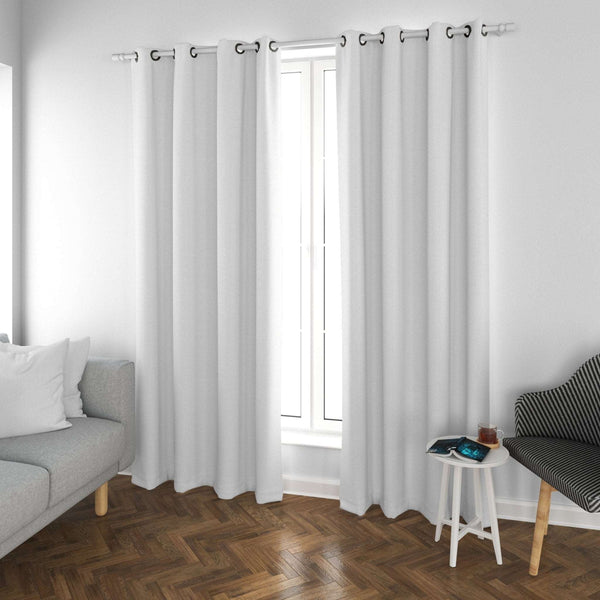
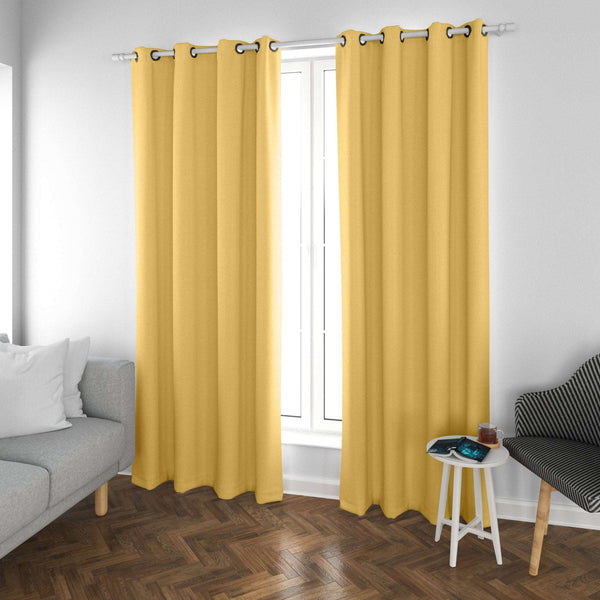
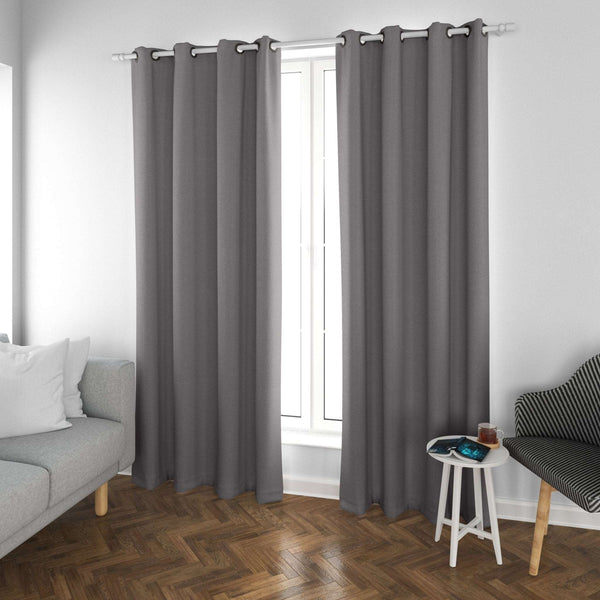
The 30 dB soundproof curtain blocks out street noise with remarkable effectiveness. Its multilayer structure simultaneously insulates against cold, light, and noise pollution.
You can enjoy a peaceful night’s sleep without having to undertake complex and dusty construction work. This portable solution is perfectly suited to the needs of tenants in older or poorly insulated apartments. The modern design of these fabrics ensures a flawless finish in front of your windows.
Soundproof and Light-Filtering Sheer Curtains
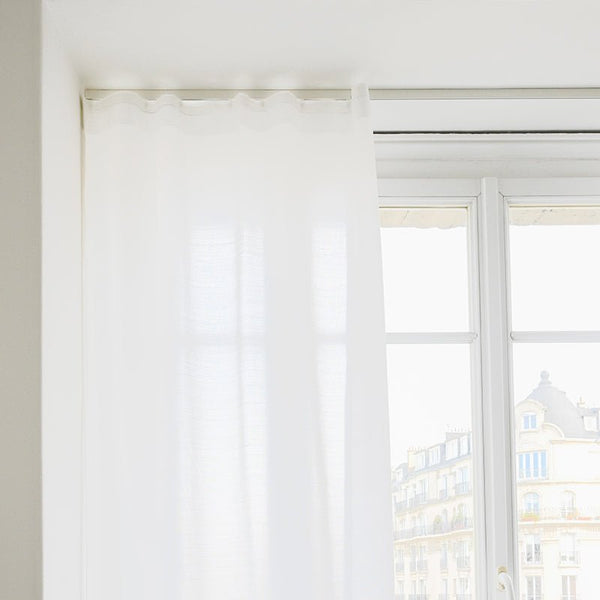
Acoustic sheers reduce echo in living rooms with large picture windows. They preserve natural light while softening the overall sound environment of the room.
Nokomis expertise Nokomis an elegant fabric into a high-precision technical solution. It enhances your interior design while helping you maintain your daily peace of mind and concentration. This combination of aesthetics and acoustic performance sets the modern standard for a peaceful living environment.