Goodbye, outside noise
- Weatherstripping: these little everyday helpers block out outside whistling noises for a truly minimal investment.
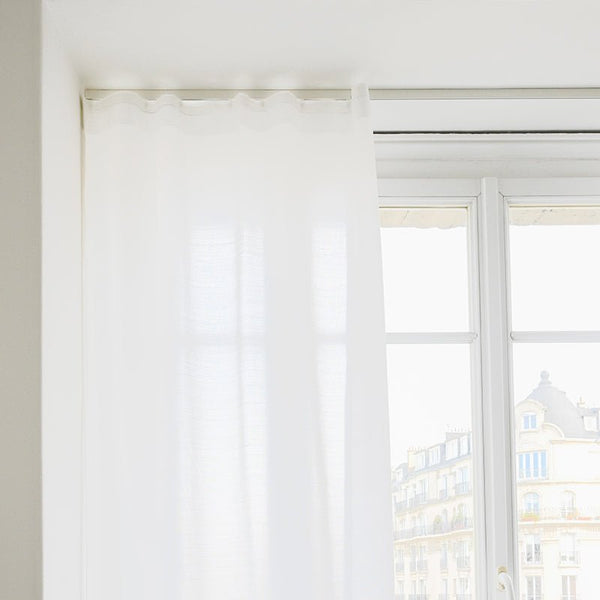
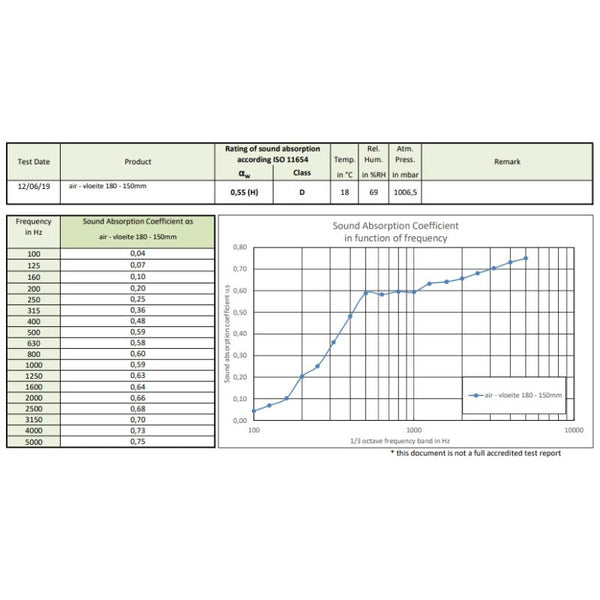
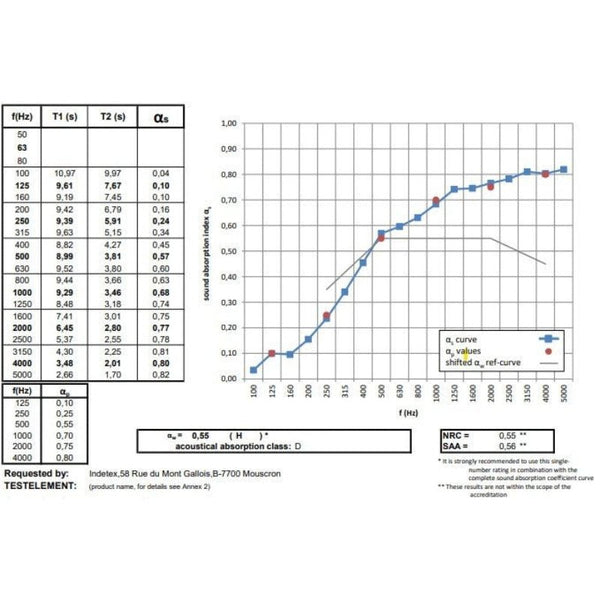
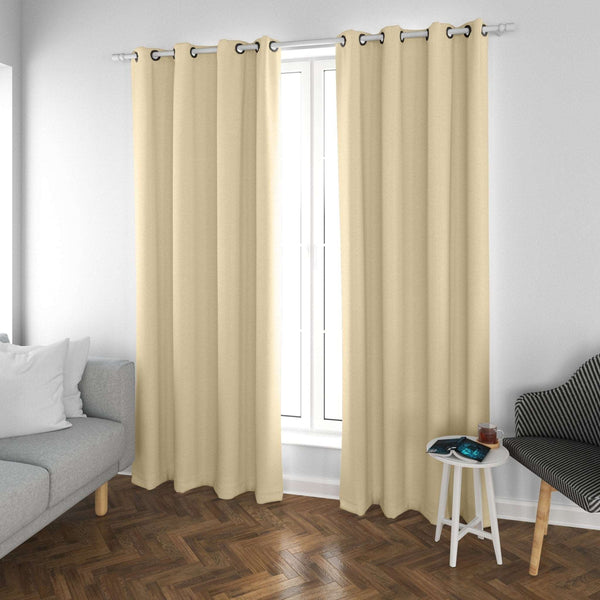
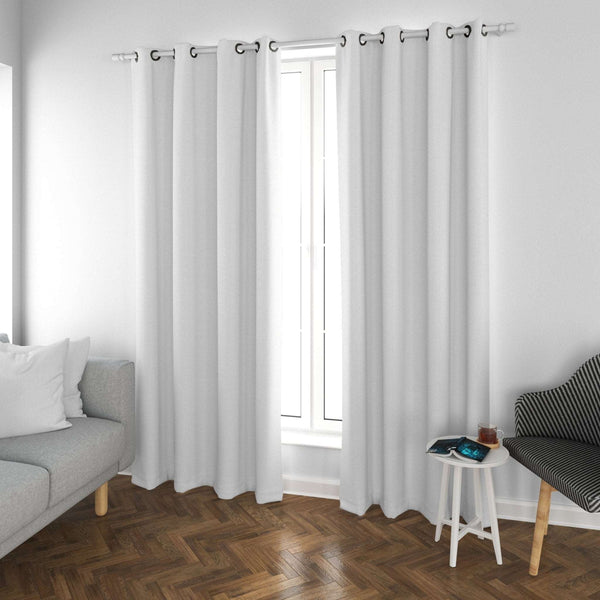
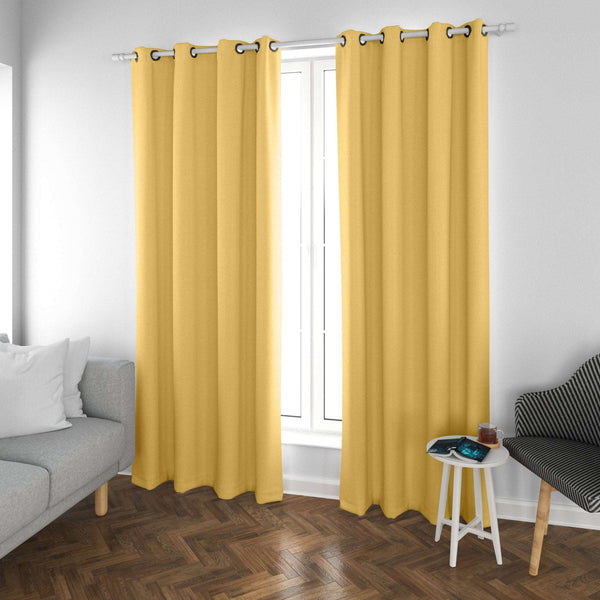
- soundproof curtain: This thick, technical fabric absorbs sound vibrations while retaining heat in every room.
- Asymmetrical glazing: Installing glass panes of different thicknesses effectively blocks out even the most persistent and annoying urban noise.
A poorly insulated window lets in up to 35 decibels of continuous noise pollution. Thomas endures this noise every day in his office while working from home. Silence isn’t a luxury—it’s a necessity for maintaining your mental health and getting a good night’s sleep. You can take steps to improve the seals or the glazing to significantly reduce these disturbances. This guide outlines practical options for transforming your home into a haven of absolute calm and achieving the best possible sound insulation.

Affordable solutions to reduce street noise very quickly
Dealing with outside noise often starts with simple, reversible measures. Tenants particularly appreciate these methods because they do not damage the original surface. You should first locate the areas where air is entering so you can focus your efforts.
1/ Identifying leaks: Run a damp hand along the studs to detect drafts. Sound seeps into your living space through even the smallest gaps. A mere trickle of air is enough to ruin the acoustic performance of a thick wall.
2/ Removable barriers: Insulating foam panels are attached directly to the window glass using suction cups. This temporary solution comes in handy during unexpected roadwork right outside your windows. You’ll immediately enjoy a few decibels more comfort without having to break out the drill.
Replacing the old gaskets to block all airborne waves
Silicone caulk remains the DIYer’s best ally for sealing invisible cracks in window frames. Models with metal lips provide a more durable seal against the sash when closing. A perfect seal at the corners eliminates annoying whistling in strong winds. This way, you can improve the overall soundproofing for an investment of just a few euros.
| Method Used | Approximate cost | Efficiency in decibels |
|---|---|---|
| Silicone seals | Low | 5 to 10 dB |
| Soundproof Curtains | Medium | 7 to 15 dB |
| Removable secondary glazing | High | 15 to 20 dB |
| Expanding foam | Low | 3 to 5 dB |
Installing multilayer acoustic curtains for truly effective sound absorption
Technical fabric absorbs vibrations before they bounce off your interior walls. Installing soundproof curtains creates a protective layer that is essential for older windows. These products use different fabric densities to filter a wide range of frequencies. Your room becomes more acoustically comfortable while maintaining a stable temperature in both winter and summer.
Some leaks that have been sealed with surface treatments can sometimes result in deeper residual vibrations. In such cases, you should consider making structural modifications to the glazing or the window frame.
Technical modifications to the window structure to restore complete silence
The performance of a window or door depends on the density of the materials used in its construction. You need to understand that weight blocks sound more effectively than any lightweight wall. A pane of glass that is too thin vibrates like a speaker cone when exposed to road traffic.
1/ Inspecting the glazing: Single-pane glass offers no resistance to urban sound waves. Switching to standard double-pane glass provides some thermal relief but offers only limited sound insulation. Adding an insulating gas between the panes improves the overall performance of the unit.
2/ The Law of Mass: Dense materials are more effective at absorbing the kinetic energy of outside noise. Heavy window frames prevent the window structure from resonating with the engines. You should choose thick components to ensure an impenetrable physical barrier.
Installing asymmetric laminated glass for optimal acoustic performance
Asymmetric double glazing uses panes of different thicknesses to break up sound frequencies. An assembly consisting of one 10-mm pane and one 4-mm pane delivers exceptional results. This difference in mass prevents the two panes from vibrating at the same frequency simultaneously. Laminated glass also contains a plastic film that absorbs the most intense shock waves.

Choosing high-quality insulated wood or PVC windows and doors for your comfort
PVC has internal insulation chambers that trap sound very effectively. Solid wood remains a superior natural insulator thanks to its fibrous structure and organic density. Aluminum frames require highly technical sound bridge breaks to achieve similar performance. Professional installation ensures there are no gaps between the masonry and the frame.
The success of your soundproofing project often depends on guidance from an expert specializing in modern acoustic solutions.
Nokomis expertise Nokomis transforming your home into a peaceful haven—the right way
Since 2015, Nokomis city dwellers find absolute peace and quiet. This French company designs innovative solutions to block out everyday noise. Its 30 dB soundproof curtains reduce the perceived noise level in your bedroom by two-thirds. Every product leaves the French workshops with a guarantee of performance and environmental responsibility.
Silence becomes a cornerstone of your inner well-being thanks to these high-performance textiles. Our acoustic sheers let in natural light while filtering out street noise. You benefit from a decade of expertise to transform every room into a peaceful haven. Choosing Nokomis exceptional thermal and acoustic insulation for your home.